Saturday, September 30, 2017

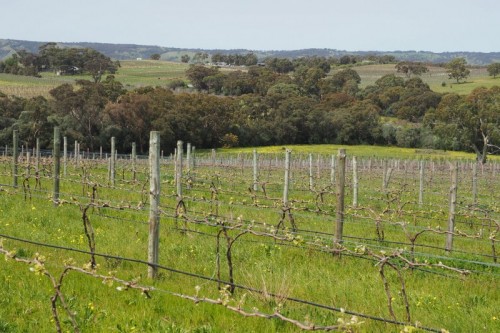
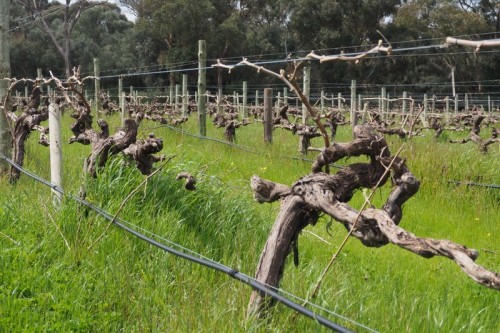
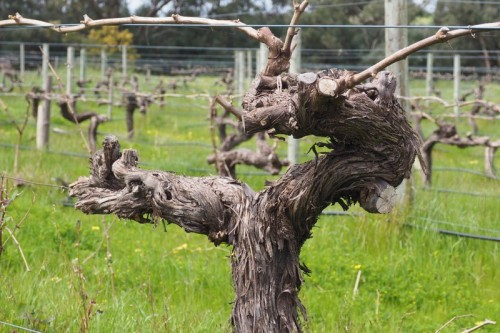
Is elevated atmospheric CO2 to blame for rising alcohol levels in wine?

OLYMPUS DIGITAL CAMERA

Lisa Perrotti-Brown of the Wine Advocate recently published an article that caused quite a stir on the Internets. Lisa begins by saying that that the rise in alcohol levels in many wines is inexplicable. It has left her scratching her head. She’s puzzled, as are many of the winemakers that she’s been speaking with. Baffled, in fact:

Based on my experience and many conversations with winemakers, I can assure you, we critics and winemakers have been scratching our heads. Here’s our baffling modern era phenomenon: we can see that ripe phenolics (e.g. tannins) and flavors (a myriad of different compounds) are lagging further and further behind sugar accumulation in grapes with practically every vintage. And for sure, in not every case are higher than average growing season heat, sunshine days, modern vinicultural practices and/or stylistic preferences the obvious reasons. It appears that, to achieve the same physiological ripeness and qualities of wines we have known and loved in the past, we’re having to accept wines at higher and higher alcohol levels, seemingly with every vintage.

As I’m writing this I’m drinking a Pinot Noir from California (Jamie Kutch’s Signal Ridge Vineyard, Mendocino Ridge), that’s just 12% alcohol, and tastes beautifully ripe. And yesterday I met with Francisco Baettig of Errazuriz who has brought alcohol levels down in their icon wines from close to 15% to bang on 14%, and the wines are better for it. Mick and Jeanine Craven make a lovely Faure Syrah from Stellenbosch (warm climate) that’s below 12% alcohol and isn’t hard and mean! So I’d begin by questioning Lisa’s view on what constitutes ripeness, and her assertion that this is all that baffling. If you pick late in warm climates, you’ll end up with high alcohol levels. But more on that later. The real issue I want to address is the theory Lisa proposes for this problem with high alcohol.

Here’s the million dollar question: Why do the sugars in grapes appear to be rising at a much faster rate than rising temperatures (or not) around the planet alone would account for? The obvious culprit to consider is the impact of the dramatic increase in CO2 in our atmosphere since the industrial era.

She then goes on to propose a theory that rising CO2 levels increases plant photosynthesis, which results in higher production of carbohydrates. This in turn, she says, causes sugar levels in grapes to rise higher, and in advance of phenolic/flavour ripeness. If we want our wines to have proper flavour, she asserts, we are therefore going to have to live with higher alcohol levels. Lisa then proposes that one solution to these higher alcohol levels would be watering back wines, so that you can have ripe flavours and sensible alcohol levels.

She concludes:

This discussion clearly needs more dedicated research in order to draw definitive conclusions, but I strongly feel it is time to open this discussion. In my view, this is one of the most important issues facing our wine industry and, even more importantly, our food chain.

So, I’ll take the invitation she offers and join the discussion. The theory she proposes sounds quite interesting: but is it scientifically plausible? Does higher atmospheric CO2 result in faster accumulation of sugars in grape berries, making it hard to harvest ripe grapes without high potential alcohol? Let’s dig a bit deeper into this issue.

First of all, there is no doubt that CO2 levels have risen. From 1700-1850 they were pretty steady at around 280 ppm. Then, around 1900, things started changing, with vastly increased CO2 emissions into the atmosphere. By 1960 they had reached 320 ppm, then by 1990 they hit 350 ppm, and now they are at around 400 ppm. Projections are that by the end of this century, they’ll be around 700-800 ppm.

And there’s also no doubt that elevated CO2 levels are going to affect plant growth. But before we discuss that, let’s take a quick look at the process of photosynthesis. All life on the planet, with the exception of some weird things that live near deep sea hydrothermal vents, depend on photosynthesis. It’s the process by which plants take light, carbon dioxide and water, and make glucose and oxygen. The significance of glucose is that it’s the way the plant fixes carbon: everything in a plant is made using this process, and this carbon provides the skeleton for the organic (containing carbon) molecules that make up the structure of plants. The plant takes up mineral ions and nutrients from the soil, and uses these to combine with carbon skeleton to make stuff. Basically, plants are very sophisticated chemical factories.

Photosynthesis can be limited by three factors: light, temperature and carbon dioxide. If all three are increased, then the rate will increase, until one of the three is in short supply. Generally speaking, CO2 is the limiting factor quite a bit of the time. Part of the reason for this is that opening up the special pores on the leaf surface, known as stomata, allows precious water vapour to escape. So the plant does a calculation: I need the CO2, but I also need the water. When water is short, and I’m losing too much of it, I’ll close my stomata, and just stop photosynthesizing.

So, we have global warming. CO2 is playing two roles here: its role as a greenhouse gas in elevating global temperatures, and also its role as a frequent limiting factor in photosynthesis. And temperature also stimulates photosynthesis, up to a point: if temperatures are too high the plant will close its stomata and stop photosynthesizing. So if we think about plants adapting to climate change, we need to explore the potential dual roles of elevated CO2 concentrations.

This has been widely researched in important crop plants. Elevated CO2 levels increase the rate of photosynthesis. But they also decrease water use by plants: this is because plants don’t need to open their stomata so often to get the same dose of CO2. The production of leaf ‘non-structural’ carbohydrates increases, and the levels of nitrogen decrease. This is likely because there is a lower need for water, so fewer nutrients (dissolved in water) are taken up by the roots. This decreases the rate at which nitrogen is incorporated into organic products made by the plant: in other words, plants produce more carbohydrate and less protein.

This is where we need to start thinking about the implications for ripening of grape berries. Lisa’s assertion is that more photosynthesis means more sugar production, which in turn results in more sugar accumulation in grape berries, in advance of flavour ripeness. This ignores the fact that grape berries are sophisticated chemical factories.

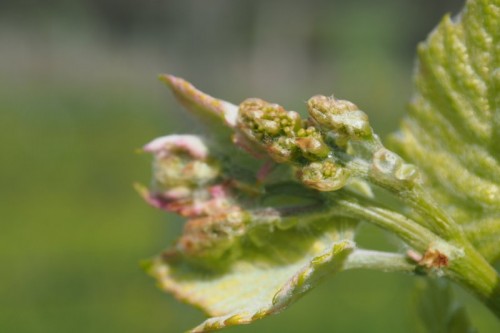
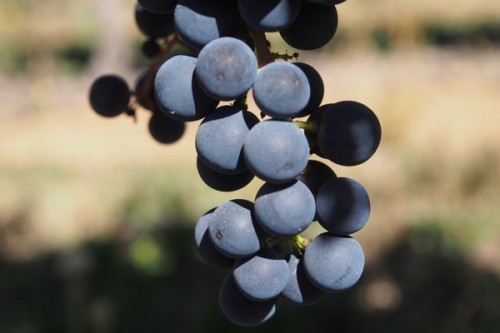
Berry ripening consists of two distinct phases, separated by a lag phase. Berries are for the birds, and they are designed as a dispersal mechanism for seeds. In the first phase of growth, the seeds develop, and the berry chemistry is designed to make these developing berries unpalatable. They accumulate high levels of acids, tannins and methoxypyrazines, and they taste nasty. Then there’s the lag phase: they stop growing. The seeds mature. And then there’s veraison, where everything changes. This is where the berry decides it is going to put all its focus into making itself appealing to birds. It changes colour, the skin softens, it swells, the acid levels drop, the tannins begin to change and nice flavours begin to develop. And, of course, it becomes sweet.

But this ripening is a tightly regulated biochemical process. For the preceding four months or so the vine has been busy photosynthesizing, but sugars haven’t been accumulating in the berries. It’s now that the berry begins to accumulate sugars, and this is an active process. There are proteins in the cell walls that decide to let sugars through: they don’t just turn up uninvited. There are three families of proteins important in this process (acidic invertases, sucrose synthases, sugar transporters), and there’s also some biosynthesis of sucrose within the berry itself. This is not a simple matter of the vine photosynthesizing more and the sugar levels correspondingly increasing in the berries. This fact is reinforced by the observation that plant hormones such as abscisic acid (ABA) and brassinosteroids play a crucial role in berry ripening. The environmental signaling, mediated by these hormones, has a strong role in ripening. Viticultural interventions such as leaf removal, dropping crop, canopy management and deficit irrigation, for example, rely on influencing plant signaling which in turn affects ripening in complex ways.

So let’s look at attempts to study this in grape vines. One Italian group have worked on this using a technique called FACE, which stands for free-air CO2 enrichment, which is a good technique because it avoids using chambers, which can alter growth patterns. They found that when CO2 was elevated, the acids and sugars increased in the developing grapes. But by grape maturity, there were no differences in berry composition caused by higher CO2. As for global warming, their conclusion was that higher CO2 on its own had very little effect and that any yield-increasing effects were mitigated or cancelled by the higher temperatures that rises in CO2 cause. In the discussion in their paper, they point out that while for annual and perennial plants elevated CO2 increases biomass, crop yield and light/nutrient/water use efficiency. But for a crop like a vine, that sees this increase over many years, the initial increase in photosynthesis might be down-graded because of the plant’s response to excess accumulation of carbohydrates.

Another experiment was carried out on Touriga Franca grapes in the Douro region of Portugal, this time using chambers. They looked at a range of parameters, and found significant differences between the control plants and those grown in higher CO2. But when it came to berry composition (they also made wines from the different treatments) there were no significant differences. The quality of the wines produced was pretty much unaffected by the higher CO2 levels.

More recently, a project has begun in Australia, and the preliminary results have been published (although this project is ongoing). Rachel Kilminster and colleagues have collaborated in studying a Shiraz vineyard in the Murray Darling region. So far they have studied the effects of elevated CO2 and temperature on the vines over two growing seasons. They have found that elevated temperature has a stronger effect in advancing the phenology (the rate at which the vine goes through its growth stages) than elevated CO2. The higher CO2 affects starch levels (known as non-structural carbohydrates) because of a higher rate of photosynthesis. There was no difference seen in the water-soluble carbohydates (sugars), suggesting that sugar levels are actually quite tightly regulated in vines. The higher CO2 treatments increased the carbohydrate status of the plants (vines store carbohydrate in their trunks and roots as a reserve), and the result of this was increased grape yield. Interestingly, higher CO2 resulted in better acid levels in the grapes, but there were only minor differences in anthocyanin and tannin levels.

So where does this leave Lisa’s hypothesis that higher alcohol in wine is a result of runaway sugar levels in grapes caused by elevated atmospheric CO2?

The science doesn’t seem to back it up. The reality is much more complex than the simplistic picture that she paints. A faster-growing, bigger vine, doesn’t necessarily mean higher sugar levels in grapes as they develop.

Nor do anecdotal observations. Atmospheric CO2 levels have risen in an almost linear fashion, but high alcohol wine suddenly became a problem in the mid-to-late 1990s, almost out of nowhere. And it’s quite region specific: regions where American critics, with a stylistic preference for sweeter-tasting wines with very soft tannins from the outset, have been powerful. The evidence suggests that alcohol became an issue with changing stylistic preferences for bigger, sweeter red wines.

There’s no doubting that climate change is having an effect on the world’s wine regions, and in many cases there are problems where harvest time is being pulled into summer conditions, where sugar levels rise rapidly in a short space of time, rather than the more customary autumnal conditions. But there’s no need to invoke a direct effect of higher CO2.

In many regions, there’s a move to picking earlier, and the resulting wines are often purer, taste nicer, will age better, and require less adjustment in the winery. This seems to suggest that higher alcohol levels, to a large extent, are an avoidable consequence of the ill-advised flirtation by many winemakers with sweeter, riper red wines, and a misconception of the nature of appropriate grape ripeness. The wine world had a moment of madness, and it seems that in many regions good sense is now prevailing. If you are picking late, looking for soft, ripe, smooth tannins and a sweet fruit profile in your red wines, then you may well have a problem with higher alcohol levels. Good viticulture (trying to get even ripeness) and picking at the right time is the answer to this.


from jamie goode’s wine blog http://www.wineanorak.com:/wineblog/wine-science/is-elevated-atmospheric-co2-to-blame-for-rising-alcohol-levels-in-wine

For Fine Wine Investment opportunities check out Twelve by Seventy Five: http://www.twelve-by-seventy-five.com/

from
https://twelvebyseventyfive.tumblr.com/post/165907877982

Tasting the icons and Pizarras wines from Errazuriz with Francisco Baettig

Francisco Baettig

Francisco Baettig

Yesterday I met with Errazuriz winemaker Francisco Baettig, tasting some new releases. He’s the man behind the ‘icon’ wines of Errazuriz owner Eduardo Chadwick, and also the new venture in coastal Aconcagua, Las Pizarras. In recent years, Francisco has been on a journey which has seen him change the style of the icon wines significantly, and they are much better for it.

‘I started to struggle to drink my own wine around 2007,’ he recalls. ‘Then I started to think how to change the style a bit.’ He met with fellow Chilean winemaker Mareclo Retamal in 2008, and the two of them tasted together. ‘I thought I should try to take the alcohol and oak down. I started to put this in place little by little.’

But it’s not easy turning a big ship around. ‘The icons had a history and style so I had to be cautious,’ he says. He started in 2010 by picking a bit earlier, working on the winemaking, using less new oak and selecting coopers that produced barrels with less impact on flavour. ‘All these wines were 14.5% alcohol on the label,’ Francisco explains, ‘which means nearly 15%. From 2010 on they went to 14%. 2013 and 2014 saw a change. I’d been managing the vines differently and could pick earlier. But 2015 is the real shift in style.’

Francisco adds that over the last 15 years, his own tastes have changed. ‘When you start making wine at 25 where you don’t have a lot of wine from overseas and don’t travel much, you try to satisfy the market.’

‘My own change moved from sweet to acid and dryness. It’s a natural evolution. You start like a child liking sweetness, then you like olives and acidity, and once you get there you can’t go back.’ He now values balance, freshness, drinkability and tension.

‘In the end it is about us beginning to interpret the Chilean terroir. It’s not Bordeaux.’ He’s managed to tone down the sweetness of the fruit, the wines are now purer, and he thinks they will age better. ‘I got rid of the eucalyptus and mint notes and the wines are cleaner and purer.’

He describes this shift as like following a path. ‘The wine has to be successful in the market place. I took a few steps in the direction, and we kept getting good results. Errazuriz already had good vineyards: it was fine tuning – a refinement of what we had, in a cautious way.’

Errazuriz Don Maximiano 2015 Aconcagua, Chile
14% alcohol. The main estate in Panquehue, which is a bit warmer, 80 km from the ocean. Most of the vineyards here are colluvial, but most of this comes from Max 5 which is alluvial. It has better drainage and is a little cooler. ‘I got rid of a good proportion of sweetness in the palate and there is more tension,’ says Francisco Baettig. ‘It still has very round tannins, but with more intensity and vibrancy. I diminished to new oak proportion to 70%, and added some other varieties to lift the nose.’ The blend is 67% Cabernet Sauvignon, 15% Carmenere, 8% Malbec, 7% Petit Verdot and 3% Cabernet Franc. 6000 cases produced. Sweet, intense, pure blackcurrant fruit here with some structure on the palate. Has a nice tension: this is a ripe wine, but it’s in balance. There’s a bit of blackcurrant pastille character, with just a hint of rubber in the mix. Good focus and structure, with a slight floral twist to the fruit. Shows good balance and will likely age very well. 93/100 (See this report on a visit here)

OLYMPUS DIGITAL CAMERA

Seña 2015 Aconcagua
13.5% alcohol. In the middle of the Aconcagua valley in a cooler place, 40 km from the ocean. The structure of the tannin is a bit more firm, says Francisco. 22 months in barrel, 65% new, and 12% is aged in Stockinger Foudres. 57% Cabernet Sauvignon, 201% Carmenere, 12% Malbec, 7% Petit Verdot and 3% Cabernet Franc. This shows lovely restraint, with good structure and acidity underpinning the sweet black cherry and blackcurrant fruit. There’s some floral lift and a hint of olive, giving a slightly Mediterranean feel to the fruit profile, but the palate seems dry and structured, with real potential for development. Lovely weight and focus. 94/100 (5500 cases) (see this report on a visit to Seña)

OLYMPUS DIGITAL CAMERA

Viñedo Chadwick 2015 Maipo
13.5% alcohol, 100% Cabernet Sauvignon. Historically, I harvested this on 15 April. In 2014 I picked half in March, half in first two weeks of April. In 2015 I picked everything in March. In 2016 it was late, everything was picked in first two weeks of April, and in 2017 it was picked in March again (a small, early crop). 15% Foudres (2500 litres), and overall 70% new oak. Sweet and textural yet really fresh with lovely elegance and purity. There’s a freshness and directness to the blackcurrant and black cherry fruit, with good acidity. I love the combination of silky, pure fruit with good acidity, freshness and structure. This should age beautifully. 95/100 (800 cases) (see this report on a visit)

OLYMPUS DIGITAL CAMERA

Las Pizarras is the new project in the coastal Aconcagua. ‘2015 was all about the Chardonnay, but the 2016 I’m very happy with the Pinot. We did roughly 15% whole cluster, and the new oak is 33% for 14 months. I do mainly pump over and not a lot of punch down.’

‘In the past I used to send the wine straight to barrel but had to rack some lots because they were reduced. So now I finish the fermentation and decant them for around 10 days to get rid of the heavier lees, then I send them to barrel and don’t have to rack them for the next 12 months, and there are no reduction problems. I take a month to do the SO2 correction: if you do it in one shot the wine will recover but not 100%, so I do it very slowly.’

Errazuriz Las Pizarras Pinot Noir 2016 Aconcagua Costa, Chile
Beautifully fresh and perfumed with lovely red cherry and plum fruit. Such haunting perfume, with real detail. Bright and focused on the palate with a hint of sappiness, and good structure and acid sitting under the silky, pure red fruit. There’s a hint of savoury blood and iodine character adding interest. Lovely mineral edge, too. Fresh and pure with potential for development. This is a beautiful wine, up there with the best new world Pinots, and the best I’ve had from Chile yet. It’s just a shame that it’s not more affordable, but even for a wine without a track record, it sells (£70). 96/100 (500 cases)

Errazuriz Las Pizarras Chardonnay 2016 Aconcagua Costa, Chile
13% alcohol. Whole bunch pressed, wild ferment, 50% malolactic, 14 months in French oak, with 15% new. pH 3.15, which is low, but the 2015 had a bit more tension. This is taut and focused with lovely sweet pear and apple fruit, with some citrus freshness. There’s good acidity, but also some generosity to the fruit, with ripe characters and a touch of mealy, nutty character. The oak is really well integrated. Currently in quite a tightwound, dumb phase, with with the potential to age really well. Serious effort. 94/100

Find these wines with wine-searcher.com


from jamie goode’s wine blog http://www.wineanorak.com:/wineblog/pinot-noir/tasting-the-icons-and-pizarras-wines-from-errazuriz-with-francisco-baettig

For Fine Wine Investment opportunities check out Twelve by Seventy Five: http://www.twelve-by-seventy-five.com/

from
https://twelvebyseventyfive.tumblr.com/post/165898777807

Friday, September 29, 2017

New releases from urban winery Ldn Cru, Gavin’s last

OLYMPUS DIGITAL CAMERA

Gavin Monery, winemaker, Ldn Cru

Yesterday afternoon I met with winemaker Gavin Monery, to taste through the new wines from urban winery Ldn Cru, plus the previous vintage. It was Gavin’s last tasting, but he was keen to show the wines because he’s very proud of them.

london cru

There have been changes at Roberson, the wine agency company behind Ldn Cru. Cliff Roberson’s daughter Talya has taken over from her father, and for various reasons it means that Gavin is no longer able to work with the same vineyards going forwards, and for him this was a significant change, as he’d spent a long time sourcing these and also cultivating relationships. So Gavin is moving on, to Vagabond Wines to do a similar project in Battersea, and he will also be making some wines for Vagabond in situ. For example, In February will be going down to South Africa to make Old vine Cinsault and Chenin. Vagabond have customers already who can buy even small parcels of wine, whereas Ldn Cru had to sell to restaurants, which made the project a bit tougher.

But he leaves on good terms. ‘Roberson is a great company and I love what they’ve done,’ says Gavin. ‘I’ll always be really grateful to them.’

So, the wines. From 2015 onwards all the wines got a special cuvee name related to the variety they are made from, and a date underneath indicating vintage. ‘Because we ship fresh grapes we are not allowed to use the variety or vintage,’ Gavin explains. These latest releases are very impressive wines.

ldncru

Baker St Bacchus 2016 England
Sandhurst (Kent) and Great Whytman in East Anglia (Essex). The Essex fruit comes in a bit riper. Beautiful aromatics here. Very fresh and tangy with floral, grassy, elderflower notes. Crisp with good acidity and a hint of pith. Really bright and convincing. 89/100

Abermarle St Albariño 2015 Rias Baixas
From a vineyard in Salnes. Very lively and pure with real intensity to the lemony fruit. So fresh and lively with keen acidity. Hints of pith with a bit of grip. Pure, direct and very impressive. Finishes lemony and vivid. 91/100

Charlotte St Chardonnay 2015 Limoux
12% alcohol. Limestone soils. The soil here is white. 1 new barrel out of 18 this year. There’s a lovely freshness to the bold pear, apple and white peach fruit. There’s some richness to this wine, but also a lovely taut, mineral character, with just a hint of nut and toast from the oak. Very fine and expressive. 92/100

Chardonnay 2014 Limoux
12% alcohol. Did a bit of work with turbidity this year. There’s lovely freshness, with lemons and tangerine, and a bit of citrus pith, too. This has a linear personality, with nice bright fruit and some subtle nutty notes. Finishes with a hint of bitterness. 91/100

Pimlico Road Pinor Noir 2016 Limoux
Pure limestons soils. Two tanks, one had 40% whole cluster, the other 30%. Very little extraction. Went into old barrels. Very pure, vivid, juicy and supple with red and black cherry fruit as well as some spiciness. There’s a hint of rhubarb, with nice grip under the fresh fruit. Youthful and vivid, and needing a little time to open up. This is impressive, with nice acidity. 90/100

Grenache 2014 Calatayud, Spain
90 year old bush vines, 1000 m altitude, open fermenter, one punch down a day. Beautifully fresh with fine-grained raspberry and cherry fruit with nice weight. Hints of leather and liquorice. Has nice acid structure. 92/100

Gresham St Grenache 2015 Calatayud, Spain
Silky and vivid at the same time with lovely ripe raspberry fruit, and some cherry liqueur notes. Sweetly fruited yet really fresh with some bitter plum notes on the finish. Juicy and really vivid. Has potential for development. 92/100

Barbera 2014 Piedmont, Italy
20% new oak. Spicy, vivid and lively with high acidity and a bit of grippy structure, but also lovely pure fruit. This is silky and fresh with pure berry and cherry fruits as well as a bit of spice, pepper and tar. Juicy and bright. 91/100

Barbican Barbera 2015 Piedmont, Italy
20% new oak, to season the barrels for the other varieties. This has real grip and intensity, with some tannic grip and a bit of tar and spice. There’s direct blackberry and cherry fruit with a tarry twist. Fresh and intense with a taut personality but also lovely expressive fruit. 91/100

Kings Cross NV
65% Syrah, with some 2016 as well as a majority of 2015, 15% Barbera, 15% Grenache, 5% Cabernet Sauvignon. Ripe but restrained with good concentration of berry and blackcurrant fruit. Nice spiciness and lovely liqourice and leather hints. Sweet and a bit spicy with good structure. 91/100

Syrah 2014 Calatayud, Spain
40% whole cluster. Juicy and fresh with some pepper and liquorice, as well as smooth but well defined black cherry and blackberry fruit. Has lovely focus and nice structure. There’s high acidity, but the wine tastes ripe. Very fine. 92/100

Sydney Street Syrah 2016 (barrel sample) Calatayud, Spain
12.8% alcohol. Low alcohol, high acid. 950 m altitude, in Calatayud. Very fresh and expressive with ripe raspberry and red cherry fruit. There’s some lovely peppery detail with juicy acidity helping provide structure. Grippy and taut, this has lots of potential. 91-93/100

Sydney Street Syrah 2015 Calatayud, Spain
50% whole cluster. Nice concentration and some real elegance here, with pepper and spice. Notes of liquorice, dried herbs and nice weight. Lovely weight here: fine and fresh with lovely ripe berry fruits and some raspberry freshness. This is really good, and will get better. 93/100

Cabot Sq Cabernet Sauvignon 2015 Languedoc
Red clay over limestone. Lovely vivid blackcurrant fruit with nice acidity and good tannins. Structured and well defined with nice juiciness and lively acidity. Taut, backward and with potential to develop. 93/100

Cabernet Sauvignon 2014 Languedoc
Structured and dense with nice grip. Lovely sweet raspberry fruit with a savoury, spicy, slightly earthy edge to it. Firm and drying on the finish. A wine for the long haul. 92/100

Previous reviews of Ldn Cru are here, here and here.


from jamie goode’s wine blog http://www.wineanorak.com:/wineblog/uncategorized/new-releases-from-urban-winery-ldn-cru-gavins-last

For Fine Wine Investment opportunities check out Twelve by Seventy Five: http://www.twelve-by-seventy-five.com/

from
https://twelvebyseventyfive.tumblr.com/post/165857499737

Thursday, September 28, 2017

Quinta da Romaneira Vintage Port 2015

quinta da romaneira

I’ve been enjoying this wine over the last few evenings. It’s a superb expression of a very fine year in the Douro, the 2015 from Quinta da Romaneira. I have no idea why this vintage wasn’t widely declared. Romaneira is a spectacular, well situated property in the Cima Corgo region of the Douro, and it has been revitalised by a team headed up by Christian Seely. Originally there was a hotel project here, but that died fairly quickly (the sorts of folks who want to spend €1000 a night on a hotel don’t have the time to schlep up the Douro, and when they do they generally need more entertainment than is on offer here), so now the vineyard project is separate from the accommodation side of things (now a private residence).

Quinta da Romaneira

Quinta da Romaneira

Quinta da Romaneira Vintage Port 2017 Douro, Portugal
19.5% alcohol. Deep coloured, this young vintage port has a highly floral nose with sweet blackberry jam and black cherry fruit. The palate is powerful and focused with sweet, intense, yet elegant black fruits. There’s a slight saltiness and some tarry, spicy detail, but overall this is a sort of Burgundian expression of Vintage Port, aiming at elegance yet not sacrificing longevity. 95/100

Find this wine with wine-searcher.com


from jamie goode’s wine blog http://www.wineanorak.com:/wineblog/portugal/quinta-da-romaneira-vintage-port-2015

For Fine Wine Investment opportunities check out Twelve by Seventy Five: http://www.twelve-by-seventy-five.com/

from
https://twelvebyseventyfive.tumblr.com/post/165845152182

Wednesday, September 27, 2017

Moët et Chandon Grand Vintage 2009 and Grand Vintage Rosé 2009

moet et chandon grand vintage

Tasted the latest vintage releases from Moët, the 2009s. This was a season that starred badly, with lots of rain. But this all cleared by mid-July, and the rest of the summer was hot and dry, resulting in a harvest of very ripe grapes. It was a particularly good Pinot Noir vintage, and this variety is highly represented in these wines: it’s not since 1996 that there’s been so much in the Grand Vintage.

The important thing to notice: as is the case since 2002, dosage has been 5 g/litre, which is extra brut. This is in response to the higher average maturity experienced in Champagne these days, and makes the wines more gastronomic and vinous. I think they’re both really nice. A note on pricing: these are RRPs and are unusually high. You can often get the Grand Vintage in the mid- to late-30s, which makes it good value.

Champagne Moët & Chandon Grand Vintage 2009 France
This, the 73rd vintage is composed of 50% Pinot Noir, 36% Chardonnay and 14% Pinot Meunier. This has lovely weight, and with a dosage of just 5 g/litre seems quite dry and focused. There’s some lemon and cherry character to the fruit, with a twist of baked apple and pear richness. There’s just a touch of pithy bitterness, but it holds the slight fruit sweetness in good tension. There’s definitely a ripeness to the fruit, which is dominant, but there’s also some faint toasty richness. 92/100 (c£47 Selfridges, Harrods, Fortnum & Mason, Wholefoods, Majestic, Oddbins)

Champagne Moët & Chandon Grand Vintage Rosé 2009 France
59% Pinot Noir (of which a fifth is still red wine), 30% Chardonnay and 11% Pinot Meunier. Quite a full pink/orange colour. Restrained with good concentration of citrus flavours as well as a bit of red cherry, a trace of dried herbs and some cranberry and apple notes. This feels quite dry and gastronomic, with a low dosage of 5 g/litre, and it’s quite vinous. There’s a bit of grip here and just a twist of bitter damson on the finish, and overall the balance is really good. 91/100 (c£60 Selfridges, Fortnum & Mason, Harrods, Wholefoods, Majestic, Oddbins)

Find these wines with wine-searcher.com


from jamie goode’s wine blog http://www.wineanorak.com:/wineblog/champagne/moet-et-chandon-grand-vintage-2009-and-grand-vintage-rose-2009

For Fine Wine Investment opportunities check out Twelve by Seventy Five: http://www.twelve-by-seventy-five.com/

from
https://twelvebyseventyfive.tumblr.com/post/165805962237

On wine prices: the’ve risen a lot, but this isn’t all bad

P4061111-500x333

The wine world is a lot more interesting now than when I first started drinking wine in earnest back in the mid-1990s.

At the same time, the prices for fine wines are much higher than when I started drinking, to the point that they are now out of reach for most people.

Case in point: the first multi-bottle purchase I made was Brokenwood’s Graveyard Hermitage 1991. Three bottles for £13.49 each.

Case in point: the first case purchase I made was en primeur from Bibendum, and it was Jamet’s 1999 Côte Rôtie. £240 per case in bond.

Case in point: the Threshers off licence in Wallington where Penfolds Grange was on the shelf at £35 per bottle in 1994. Now it’s a bonkers £400+ a bottle and you won’t find it at an off licence.

I could list lots of examples. When we go out for fine wine BYO lunches and generous friends bring goodies from their cellars, the current market value of wine on the table is often obscene.

But could this increase in prices for the very top wines be one reason the wine world is now so interesting? If people are dropping serious cash on fine wine, then there’s money in the system. People who find those prices too rich end up spending their money on other wines.

You can’t make interesting wine very cheaply. If a winegrower in the Mornington Peninsula or Central Otago wants to make great wine, it will require a considerable investment and the resulting wine won’t be cheap. So there needs to be someone willing to pay a good amount to make this sort of enterprise feasible.

Would people be paying £30 a bottle for New World Pinot Noir if great Burgundy was still selling at 1995 prices? I know that Oregon, New Zealand and Australian Pinot Noir is different to Burgundy, and growers there are trying to make the wines of their place. But even so, the price of Burgundy enables others to move into this now vacated gap.

I think there’s a degree to which the raised pricing bar has created room for others to thrive. Pricing of top wines has become a bit absurd, but there is always another wine. If we can shed that psychological link between price and quality, which causes us to rate wines more highly and desire them more when we know they are more expensive, then we can take advantage of the excellent wines that are being made simply because producers can actually make a living by making them.

Fifty years ago, middle class people could afford the celebrity fine wines: first growth Bordeaux and the like. That is no longer the case. Top Bordeaux and Burgundy is now out of reach. But that’s OK. There are now amazing wines being made in cellars across the world. If you are prepared to kiss the classics goodbye, there are new classics waiting to be discovered.

Mostly, it’s great that rich folk like wine and are willing to spend on it. But there is a downside: if prices become too rich, then grape prices follow, and young winemakers can no longer afford to do their own projects. When rich people buy wine estates as playthings, this also messes with land values, and distorts the economics of winemaking. Some regions have really suffered from this, and are mostly making boring, expensive wines because this is what the market wants. It’s usually best to avoid these regions altogether.


from jamie goode’s wine blog http://www.wineanorak.com:/wineblog/uncategorized/on-wine-prices-theve-risen-a-lot-but-this-isnt-all-bad

For Fine Wine Investment opportunities check out Twelve by Seventy Five: http://www.twelve-by-seventy-five.com/

from
https://twelvebyseventyfive.tumblr.com/post/165791426337

Monday, September 25, 2017

English Sparkling Wine 2017: my new report

Today I launch my English Sparkling Wine Report 2017. There’s been a lot of interest in the progress of English sparkling wine over recent years, and I have been busy trying as many of them as possible. I thought that it would be useful to gather all my notes together in one place, and attempt to try to capture a snapshot of where things are.

This report contains an overview of where things stand, and a list of my top 10 producers. But the bulk of it focuses on the wines: there are profiles of the leading producers, together with tasting notes of 110 different sparkling wines, rated on a 100-point scale. If you are interested in what is going on with English fizz, I hope this report will be of some use. I’d like to do a follow-up next year, and with such a fast-changing scene, regular updating will be necessary.

The report is available here:

English Sparkling Wine 2017

Blog readers can get a 20% discount at the checkout using code 092017


from jamie goode’s wine blog http://www.wineanorak.com:/wineblog/sparkling-wine/english-sparkling-wine-2017-my-new-report

For Fine Wine Investment opportunities check out Twelve by Seventy Five: http://www.twelve-by-seventy-five.com/

from
https://twelvebyseventyfive.tumblr.com/post/165730697267

Celebrating the Gourmet Traveller Wine Winemaker of the Year awards in Adelaide

davidbicknell

David Bicknell receiving the Winemaker of the Year Award 2017

Twenty years ago, Clare Valley Riesling genius Jeffrey Grosset was the first recipient of the Gourmet Traveller Wine Winemaker of the Year award. That was back in 1998. And on Friday night at at glitzy gala dinner in the National Wine Centre in Adelaide, the great and the good of Australian wine gathered to see David Bicknell of Oakridge in the Yarra Valley receive the gong. Also awarded were Michael Downer of Murdoch Hill (he got the Young Winemaker Medal), the Perpetual Viticulturist of the Year Mark Walpole of Fighting Gully Road, while Mark Lloyd of Coriole got the Len Evans Award. There were also seven other winemakers who were finalists. It was a lovely evening, and it was quite special to be part of this cohesive, tight knit community of Australian winemakers for the evening.

Michael Downer, young winemaker of the year

Michael Downer, young winemaker of the year

We got to taste 10 wines through the course of the evening: these were made by finalists and winners, and as I’m a total geek, I took notes. It was a really interesting selection, and representative of the great diversity in Australian wine. It’s good to see the established classics mixing shoulders with the young guns, and I think the judges are doing a great job of holding the old and the new in happy tension with their choices.

gourmettravellerwineawards1

West Cape Howe Riesling 2017 Mount Barker, Western Australia
Very linear and fresh with lively, pithy citrus fruit and real precision. Dry but with some texture. 92/100

Wines By KT Peglidis Vineyard Riesling 2016 Clare Valley, Australia
Kerri Thompson is a Riesling specialist, and there a lovely purity to this with delicate, crisp, fine citrus fruit. Dry and expressive. 92/100

Fighting Gully Road Chardonnay 2015 Beechworth, Victoria, Australia
I was impressed by this youthful but fine Chardonnay with it’s mealy, spicy personality. Linear and elegant with nice finesse. Supple and expressive. 93/100

Oakridge 864 Chardonnay 2015 Yarra Valley, Australia
Dave Bicknell is skilled at playing with reduction and making it work, and this Chardonnay is very fine, linear and pure with real elegance and a hint of matchstick reduction that frames the pure citrus fruit really well. Has a hint of pithiness on the finish. Will age well. 94/100

Murdoch Hills The Ridley Pinot X Three 2017 Adelaide Hills, Australia
A blend of Pinot Noir, Pinot Gris and Pinot Meunier. Beautifully aromatic with fine, supple red cherry notes. Very silky and well defined with lightness and elegance, as well as a lovely fruit presence. So silky, fine and delicious. 95/100

gourmettravellerwineawards2

Ochota Barrels Green Room 2017 McLaren Vale, Australia
I love this wine. My second time with it this week. Very fine, supple and expressive with juicy red cherry and raspberry fruit. Good acid and impeccable balance. 94/100

Stonier Merron’s Vineyard Pinot Noir 2015 Mornington Peninsula, Australia
Powerful, structured and spicy with nice weight and some spicy oak. Has lovely definition, and a bit of burliness, but it’s also fresh and quite elegant. 93/100

Lehmann Hesketh MK 02 Cabernet Sauvignon Shiraz 2015 South Australia
Cabernet from Coonawarra blended with Shiraz from Barossa. Very fresh and well defined with a gravelly edge to the blackcurrant and cherry fruit. There’s just a hint of mintiness, adding freshness. A lovely bright wine. 93/100

Bremerton Old Adam Shiraz 2013 Langhorne Creek, Australia
Very sweet, spicy and chocolatey, with hints of coffee and tar as well as a wall of ripe black fruits. Very rich and quite old-school in style. 91/100

Yangarra High Sands Grenache 2010 McLaren Vale, Australia
Dense and burly with rich, tannic black cherry and blackberry fruit. Has richness but also restraint, with a savoury twist. Peppery, firm and detailed. 93/100

Find these wines with wine-searcher.com


from jamie goode’s wine blog http://www.wineanorak.com:/wineblog/australia/celebrating-the-gourmet-traveller-wine-winemaker-of-the-year-awards-in-adelaide

For Fine Wine Investment opportunities check out Twelve by Seventy Five: http://www.twelve-by-seventy-five.com/

from
https://twelvebyseventyfive.tumblr.com/post/165718157412

Saturday, September 23, 2017

Visiting Wirra Wirra, McLaren Vale

OLYMPUS DIGITAL CAMERA

Wirra Wirra is one of those wineries that we sometimes take for granted. They’ve been there for (seemingly) ever, making good wines in reasonable quantities, but don’t often get the headlines. But the great thing about wineries like this is that they connect with lots of people, and you can find the wines pretty much everywhere. So I was pleased to visit.

OLYMPUS DIGITAL CAMERA

The late Greg Trott was the man behind Wirra Wirra. The actual vineyard, though, dates back to the early days of winegrowing here. Robert Strangeway Wrigley came here from Adelaide in 1894. He was a bachelor who played cricket for south Australia, and was getting his family’s reputation into trouble in the city, so he came out to the McLaren Vale to grow grapes and make fortified wine. He died in the 1920s with no heirs, and the property was effectively left to ruin for 40 years.

OLYMPUS DIGITAL CAMERA

Then Gregg Trott came along in 1969. A failed worm farmer, oliver grower and chicken farmer, he took over Wirra Wirra and rebuilt the old buildings stone by stone. He set about making wine, and as with many of his projects, it was on the ambitious side, but with the help of regular injections of cash from investors, over the next few decades developed a reputation for premium red wines. Trott died in 2005, but he eccentricities and love of cricket are stamped all over this venture.

OLYMPUS DIGITAL CAMERA

A third of Wirra Wirra’s needs are provided by their estate vineyards: they have 21 hectares in the estate vineyards and another 30 just outside the GI, all of which are now farmed biodynamically.

Paul Smith, winemaker Wirra Wirra

Paul Smith, winemaker Wirra Wirra

The winery looks pretty old school, but it has a lovely row of two ton open top red fermenters that makes working parcel by parcel a possibility.

OLYMPUS DIGITAL CAMERA

OLYMPUS DIGITAL CAMERA

Wirra Wirra Lost Watch Riesling 2017 Adelaide Hills, Australia
This is from two vineyards in the hills. It’s hand picked, gently pressed and fermented dry. Pristine with lively lemony fruit. Fresh with a slight herbal edge to the lime and green apple characters. Fresh, quite elegant, fruit-driven style. 90/100

OLYMPUS DIGITAL CAMERA

Wirra Wirra 12thMan Chardonnay 2016 Adelaide Hills, Australia
Vineyards in Lenswood and Lobethal supply the grapes for this fresh, balanced Chardonnay. It’s fine and fresh with lovely citrus fruits and some pronounced, nutty, toasty oak. There’s a savoury cedary edge. Showing nice restraint, this is a linear wine with lovely citrus fruit, and the oak will settle down with time. 91/100

OLYMPUS DIGITAL CAMERA

Wirra Wirra Original Blend 2016 McLaren Vale, Australia
Since 1972, Trott’s debut vintage, Wirra Wirra’s main wine was the Church Block, a Grenache/Shiraz blend with the emphasis on the Grenache. The recipe was tweaked in 1983 to include Cabernet Sauvignon after some consultancy from Brian Croser, so this wine carries the legacy of the original blend of the Church Block red. Fermented in small open top fermenters with the Grenache picked a little early to keep freshness, and matured in old oak. It’s pretty and vivid with jammy raspberry and cherry fruit. Lovely freshness and purity here. It’s a fruit-driven style that’s harmonious and balanced. 91/100 (A$25)

Wirra Wirra Church Block 2015 McLaren Vale, Australia
This is 51% Cabernet Sauvignon, 36% Shiraz and 13% Merlot. Distinctive, fresh, supple blackcurrant fruit with delicious spicy notes and some bright raspberry character. Hints of tar and mint here, with fine-grained tannins. Fruit driven and vivid. 90/100

OLYMPUS DIGITAL CAMERA

Wirra Wirra Catapult Shiraz 2016 McLaren Vale, Australia
This is an interesting wine, with a meaty, olive edge and a bit of pepper complementing the blackberry and black cherry fruit. Has richness and focus with nice freshness. Perfumed, bright and elegant. 93/100

Wirra Wirra Woodhenge Shiraz 2015 McLaren Vale, Australia
This comes from vineyards closer to the sea: these are warmer sites but have limestone subsoil. 40% new oak, a 50/50 mix of French and American. Complex, warm, broad and spicy with vivid olive, black pepper and blackcurrand notes, as well as a cedar twist from the oak. Ripe and intense with some tarriness, and maybe even some smoky notes. Powerful and complex in a rich style. 91/100

Wirra Wirra RSW Shiraz 2014 McLaren Vale, Australia
This is from old, low-yielding bocks, fermented in open fermenters and aged in tight-grained French oak for 17 months. Leathery and earthy with a tarry edge to the black fruits. Very concentrated and intense with sweet dark fruits and some smoky, spicy oak character. There’s freshness as well as concentration. Dense and weighty, with burly tannins, and a hint of aniseed. Needs time. 93/100

Find these wines with wine-searcher.com


from jamie goode’s wine blog http://www.wineanorak.com:/wineblog/australia/visiting-wirra-wirra-mclaren-vale

For Fine Wine Investment opportunities check out Twelve by Seventy Five: http://www.twelve-by-seventy-five.com/

from
https://twelvebyseventyfive.tumblr.com/post/165674374827

Thursday, September 21, 2017

D’Arenberg, with Chester and his Cube

chester osborn darenberg cube

On Wednesday I visited D’Arenberg, an important producer in Australia’s McLaren Vale region. I remember when I was first getting into wine in the mid-1990s and being seduced by the D’Arenberg reds, with their beautifully detailed back labels and distinctive red sash design. I remember buying and selling the famous Dead Arm Shiraz, which is probably the only wine ever to be named after a trunk disease. But this was the first time I’d visited.

Chester Osborn, fourth-generation winegrower here, is largely responsible for the size, scope and prominence of D’Arenberg today. He joined the family business after studying at Roseworthy in 1983, 40 years after his father Darry joined. D’Arenberg is a significant presence in the McLaren Vale, with the cellar door packed each weekend and a bewildering range of over 60 different wines, not to mention 500 acres of vines managed organically and biodynamically. But D’Arenberg is just about to take a leap forwards with its wine tourism, with the opening of the much-talked about D’Arenberg cube in around five weeks, at the end of October.

OLYMPUS DIGITAL CAMERA

Chester is a showman. D’Arenberg is D’Arenberg, but it is also Chester. With his long hair and colourful dress style (aside: I remember nine years ago discussing with him his plans for launching a clothing brand; apparently, this is still on the cards), he’s a powerful brand. But with this, he’s also a thoroughly engaging, friendly  individual who’s lovely to taste with.

OLYMPUS DIGITAL CAMERA

Chester had the idea for the cube over a decade ago, and planning permission was obtained in 2010, but the effects of the financial crash meant that the project had to be paused. Chester says he was lucky they got permission then, because the guidelines have since changed, and now any structure with this much glass, in a sunny area, would be denied permission for environmental reasons. The Cube, with it’s zany futuristic design, has cost some $14 million, but $2 million of that has come in the form of government grants.

OLYMPUS DIGITAL CAMERA

What takes place inside the Cube will be every bit as extraordinary as the visual impression of the exterior. The top storey will be a tasting room with 115 television screens and bar areas. The next level will be a restaurant that Chester says will be extremely high end. Then the next level is a multi-use area that might be used as a floating bar, or for blending classes. The level below will be another multi-use area and will have kitchens and toilets, and then the downstairs is a contemporary art gallery, with an emphasis on installations. There will also be a wine fog room, where guests will inhale wine.

We had a look at 10 wines.

Dry Dam Riesling 2017
A blend of Adelaide Hills and McLaren Vale fruit, this is lively, fruity and juicy with nice lime and a bit of pith. Very pure and primary. Just 10% alcohol with a pH of 2.8. 90/100

The Money Spider Roussanne 2016
Unoaked, from sandstone soils. Very limey and intense with some pear and peach notes. Rich, spicy and with a distinct pithiness. 89/100

The Lucky Lizard Chardonnay 2015 Adelaide Hills
Fruity and expressive with bright lemons and pith, and some green apple. Lovely fruit focus here with good acidity, and the oak is very well integrated. 91/100

The Custodian Grenache 2014
‘We have been big instigators of Grenache in Australia,’ says Chester Osborn. ‘We buy up to half of the McLaren Vale’s Grenache.’ This is really vivid and pretty with raspberry and cherry fruit. Lovely juicy, direct fruit with a bit of grip. Vibrant with nice fruit sweetness. 90/100

The Ironstone Pressings GSM 2014
Good concentration here: really vivid and quite structured with lovely raspberry and blackcurrant fruit. Quite refined with a hint of earth and some chalky minerality. Surprisingly understated and even a bit European in style. 93/100

The Derelict Vineyard Grenache 2009
Sweet and a bit minty with earth and spice, as well as good structure. Sweet berry fruits and high acid, with a juicy finish. 90/100

The Dead Arm Shiraz 2014
Only 5-8% new oak here, and all French. Aromatic with intense black fruits. Lush but fresh with real power and concentration. Complex with minerals, earth, tar and spice. Structured and intense, this dense wine needs time. 94/100

J.R.O. Afflatus Single Vineyard Shiraz 2012
This is a 100 year old vineyard with sand on sandstone. Very fresh and finely structured with nice brightness and fruit purity. Concentrated and intense with firm tannins. Very expressive with purity and concentration. Bright, linear. 94/100

The Old Bloke and Three Young Blondes 2011
This is Shiraz with 2.5% each of Roussanne, Viognier and Marsanne (just the skins from the ferments of each variety are added). Very sweet and aromatic with some tropical fruit characters as well as sweet cherries and raspberries. Very sweet and concentrated with a chalky, mineral edge. Dense and brooding, but with very fine grained tannins. 93/100

Coppermine Road Cabernet Sauvignon 2014
This is a nearly extinct clone that yields under 1 ton/acre. It’s a fresh, structured wine with pure blackcurrant fruit. Compact and vivid with nice freshness. Tight, compact and firmly structured with good potential. 93/100

Find these wines with wine-searcher.com


from jamie goode’s wine blog http://www.wineanorak.com:/wineblog/australia/darenberg-with-chester-and-his-cube

For Fine Wine Investment opportunities check out Twelve by Seventy Five: http://www.twelve-by-seventy-five.com/

from
https://twelvebyseventyfive.tumblr.com/post/165599365667

Wednesday, September 20, 2017

Koomilya, the ‘new Wendouree’

The Koomilya vineyard in McLaren Vale

The Koomilya vineyard in McLaren Vale

Komilya is the exciting new vineyard-based project from one of the McLaren Vale’s stars, SC Pannell. I don’t like to hype wines, but this is one of the most exciting discoveries I’ve made in Australia. This is the McLaren Vale’s Wendouree, in terms of style, intention and potential longevity.

Stephen Pannell is the son of Bill Pannell, the man who planted Moss Wood, one of the top vineyards in Margaret River. Steve made his name as chief winemaker for Hardy’s, and while he was there, one vineyard in McLaren Vale had a special attraction to him. It was from this 80 acre property on Amery Road that he sourced Shiraz for the Eileen Hardy, Hardy’s flagship red. So when he managed to persuade the growers, Don and Jill Cant, that it was time to sell, he pounced. He purchased it in 2012.

JC Block Shiraz, 80-100 year old vines

JC Block Shiraz, 80-100 year old vines

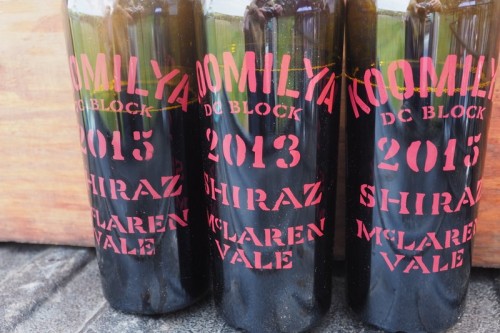
It’s an old vineyard, but its history is poorly documented. The oldest vines here likely date back 120 years: a block of gnarly old Mourvèdre. The Shiraz is pretty old, too, and there are two blocks that he makes separate wines from, which he’s called JC and DC, after the growers he bought from. Steve has named this special place Koomilya, which is the name of a ship that used to take wood from South Australia to Western Australia and back. Steve recovered the bell from SS Koomilya while he was scuba diving in Margaret River, and so this name stuck with him.

OLYMPUS DIGITAL CAMERA

OLYMPUS DIGITAL CAMERA

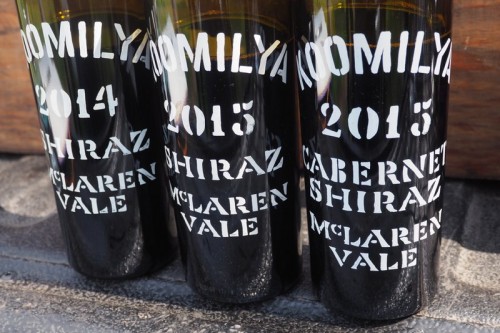
The Koomilya wines are made in a classical style. They don’t see any new oak, or any small oak for that matter, and are aged in 2700 litre foudres. These are serious, old-school wines with incredible potential for development. Just as with Wendouree, they are not wines to crack in their youth, but instead need cellaring. So far just the 2014 Shiraz and 2013 DC Block have been released. We were lucky to try the as-yet unreleased 2015s which are amazing wines. And just as with Wendouree, they will likely all be sold to mailing list customers. Time to form an orderly queue.

koomilya

Koomilya Shiraz 2014 McLaren Vale, Australia
Concentrated and very fresh with lovely expressive raspberry and blackberry fruit, with a faint meaty savouriness and a twist of reductive tightness. Taut on the palate with grip, this has lovely intensity, and needs quite a while to shed its reductive youthfulness and unfurl properly. Backward but with amazing potential for development. 94/100

Koomilya Shiraz 2015 McLaren Vale, Australia
Concentrated, pure and fine with lovey raspberry and black cherry fruit. Structured and very fine. Backward and tannic but pure and primary with lots of finesse, even though there’s good structure here and some floral perfume even at this early age. Thrilling wine. 95/100

Koomilya Cabernet Shiraz 2015 McLaren Vale, Australia
Brooding blackcurrant fruit nose with some fine floral notes. Lovely freshness and purity here with good acidity. So pure and expressive, with real finesse. Tannic yet pure, linear and elegant. A classic. 96/100

OLYMPUS DIGITAL CAMERA

Koomilya JC Block Shiraz 2015 McLaren Vale, Australia
80-100 year old vines from a block that used to be a core component of Eileen Hardy Shiraz. Intense brooding nose of sweet raspberry and cherry fruit with a subtle tarry edge. Concentrated but very fresh with firm tannins and more red than black fruits. Dense and subtly tarry. Fine, but needs a lot of time. 96/100

Koomilya DC Block Shiraz 2013 McLaren Vale, Australia
Brooding nose is tight with some floral berry fruits. The palate is tannic and firm, with some sweet berry fruits and cherry richness. Very appealing with lovely density and structure. 94/100

Koomilya DC Block Shiraz 2015 McLaren Vale, Australia
Highly aromatic with brooding black cherry and raspberry fruit. Really concentrated with amazing depth and a hint of spicy richness. Burly and tannic but still very fresh and pure. Has massive potential for development. 95/100


from jamie goode’s wine blog http://www.wineanorak.com:/wineblog/syrah/koomilya-the-new-wendouree

For Fine Wine Investment opportunities check out Twelve by Seventy Five: http://www.twelve-by-seventy-five.com/

from
https://twelvebyseventyfive.tumblr.com/post/165558987757

Tuesday, September 19, 2017

A day in Adelaide: Big Table, Lady Burra, Shobosho, Pink Moon

adelaide

It’s nice to be back in Adelaide. I spent a few days here last July, and it’s a very liveable place, a little scruffy around the edges, but a great place to eat, drink and wander around.

adelaide

OLYMPUS DIGITAL CAMERA

I had a day in the city yesterday. I began by wandering through the Central Market, where there are quite a few coffee and breakfast options. I had a lovely green egg and ham on sourdough at Big Table, and the coffee was superb here too. There’s also a decent wine shop here: Vintage Cellars, which has a good selection of Australian and semi-good selection of international wines.

Then I wandered. I headed up to the east end where there are lots of food, drink and shopping options, including the main shopping drag of Rundle Street. This is where Mother Vine wine bar and East End Cellars are found, both essential destinations for wine lovers.

OLYMPUS DIGITAL CAMERA

In the afternoon I lunched at Lady Burra Brewhouse. This is the only brewery in the Adelaide Central Business District, and I did a tour and tasting with brewer James Collison, who moved here from Little Creatures’ main brewery in Geelong. Here he makes a really good range of beers, including a bright pilsner, and seriously good Pale Ale, a rich but balanced IPA and an Irish Red Ale, which is distinctive and quite British/Irish in style. Seasonals include a monster-sized Stout, which stays in balance, and a really convincing Berliner Weiss (not yet released).

James Collison, Lady Burra Brewhouse

James Collison, Lady Burra Brewhouse

OLYMPUS DIGITAL CAMERA

OLYMPUS DIGITAL CAMERA

As well as beer, Lady Burra is also a restaurant. This brewpub idea is a really good one, and the combination of good quality but informal food (I had a fab prosciutto and artichoke pizza washed down with a pale ale) is a really good one.

Martini, Pink Moon Saloon

Martini, Pink Moon Saloon

In the evening I met up with my fellow travellers, Ronny Lau and Cathy Huyghe, and our babysitter from South Australia Tourism, Minnie McCreanor, and we headed off for a drink at Pink Moon Saloon. This is a really nice place in the middle of lots of food and drink options in the west end, just of small bar central Peel Street. The licensing laws were relaxed a few years ago making it much easier for small bars to open, and the result is a thriving scene with lots of very cool looking options. I had a lovely Vesper Martini, and my colleagues’ drink options all looked pretty smart, apart from Ronny’s (he had an Australian Prosecco).

Open kitchen, Shobosho

Open kitchen, Shobosho

Then we went to dinner at Shobosho. This is an informal, bright, but beautifully done yakitori joint. The food was superb – we worked our way through the chef’s menu – with lots of variety and richness of flavour. The wine list was also amazing, and they let me order. So we ended up with a couple of new releases from Taras and Amber Ochota – the Weird Berries in the Woods Gewurztraminer, and the Green Room Grenache, both 2017. They worked perfectly: elegant, fresh, well defined flavours that matched the style of food very well. Shoboso is just the sort of confident, stylish restaurant that typifies the new Australia. The service was also excellent, with each dish explained properly (there were lots of them) and the pace of the kitchen perfectly judged.

OLYMPUS DIGITAL CAMERA

OLYMPUS DIGITAL CAMERA

OLYMPUS DIGITAL CAMERA


from jamie goode’s wine blog http://www.wineanorak.com:/wineblog/australia/a-day-in-adelaide-big-table-lady-burra-shobosho-pink-moon

For Fine Wine Investment opportunities check out Twelve by Seventy Five: http://www.twelve-by-seventy-five.com/

from
https://twelvebyseventyfive.tumblr.com/post/165523556642

Monday, September 18, 2017

Niagara Riesling: some treats from Cave Spring, Flat Rock and Vineland

Angelo Pavan

On my mini-trip to Niagara last week I got to try a few very nice Rieslings that served to remind me just how well this grape variety does in Niagara. I tasted some Cave Spring Rieslings at dinner with Angelo Pavan (pictured above), then squeezed in a quick tasting of some older Rieslings with Ed Madronich and Jennifer Hart, and then caught up with Brian Schmidt at Vineland for a whizz through their latest releases.

Cave Spring CSV

Cave Spring Riesling CSV 2015 Beamsville Bench, Niagara, Canada
From plantings in 1975 and 1978. Very pure and delicate with lovely citrus fruits and some fine pear character. Quite dry wuth lovely precision. Subtle and fine with a delicate crystalline character. 92/100

Cave Spring Riesling CSV 2007 Beamsville Bench, Niagara, Canada
Complex and intense with lovely peach and nectarine richness, as well as sweet lemony fruit. There’s a trace of sweetness here, and this is generous but fresh with lovely purity. 93/100

Cave Spring Riesling CSV 2005 Beamsville Bench, Niagara, Canada
So complex with lively, pure citrus fruit and some bitter grapefruit pith characters. Nicely spicy with some richness and a hint of mint. Distinctive stuff. 93/100

Flat Rock Cellars

Flat Rock Nadja’s Riesling 2007 Twenty Mile Bench, Niagara, Canada
This is a drier style of Riesling made from a higher portion of the vineyard where the dolomitic limestone is close to the surface. Complex and a bit waxy with some nuts and lanolin. Lively with a bit of pithiness and nice evolution with a lovely mineral character and great acidity. Lovely complexity with an amazing finish. 93/100

Flat Rock Nadja’s Riesling 2004 Twenty Mile Bench, Niagara, Canada
There’s a subtle creaminess here. Some mineral character under the citrus fruit, and lovely lemony delicacy. Has sweet fruit with good textured and delicacy, showing refined acidity. 93/100

Flat Rock Nadja’s Riesling 2013 Twenty Mile Bench, Niagara, Canada
Very linear and pure with delicacy and precision. Lovely fine, pure lemony fruit. Lots of potential here. 92/100

Flat Rock Estate Riesling 2006 Twenty Mile Bench, Niagara, Canada
This is 19 g/l sugar and pH 3.24. It has lovely weight. Off dry with a seamless purity and hints of honey and lemon. Quite mineral with lovely citrus fruit. 92/100

Flat Rock Estate Riesling 2008 Twenty Mile Bench, Niagara, Canada
37 g/litre sugar, pH 2.8. Amazing acidity here: lemony and intense with a fine spiciness. There’s some sugar here but it tastes just off dry because of the acid. So intense and pure, and quite lovely. 93/100

vineland riesling

Vineland Dry Riesling 2016 Niagara, Canada
3.8 g/l sugar. Lovely freshness here with bright lemony fruit. So linear with keen acidity and a stony edge to the fruit. Pristine, pure and expressive, this is a real steal and will age beautifully. 90/100 (CA$15)

Vineland Semi-Dry Riesling 2016 Niagara, Canada
The flagship wine of Vineland. 10.8% alcohol, 20 g/l residual sugar. This is so pretty. It’s off dry with a steely edge to the lemony fruit and some subtle melon and honey notes. Has a bit of tangerine character on the finish. So pretty. 89/100 (CA$15)

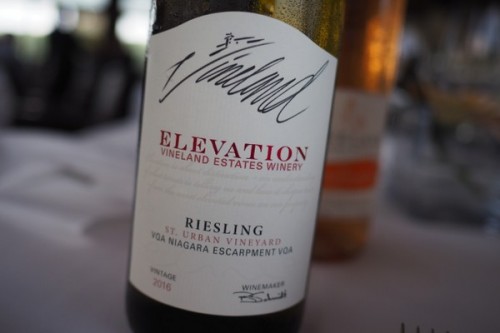
Vineland Elevation St Urban Vineyard Riesling 2016 Niagara Escarpment, Niagara, Canada
1979 plantings. 37 g/l sugar. Concentrated and expressive with lovely transparent lemon and tangerine fruit, with a hint of apricot richness. Lovely mouthfeel and weight. Very stylish with good acidity nicely balanced with some sweetness. 91/100 (CA$20)

Find these wines with wine-searcher.com


from jamie goode’s wine blog http://www.wineanorak.com:/wineblog/riesling/niagara-riesling-some-treats-from-cave-spring-flat-rock-and-vineland

For Fine Wine Investment opportunities check out Twelve by Seventy Five: http://www.twelve-by-seventy-five.com/

from
https://twelvebyseventyfive.tumblr.com/post/165491653392