We’re so used to our smart phones that it’s hard to imagine what we’d do without them, and it’s hard to remember what it was like to have really terrible smart phones. But it wasn’t all that long ago that we got quite excited and paid lots of money for handsets that now we’d never put in our pockets.
But what is remarkable is how recent the whole smart phone phenomenon is. For someone like me, who is still quite strongly an internet dude and who started out on the internet, these things affect how I work. They are important tools. I first got a smart phone in 2010. That’s just seven years ago
My first smartphone was an HTC Desire (read about how I described it here), and the camera on it was completely rubbish (but at the time it seemed great). I held onto it for a couple of years, but the first time I had a decent smartphone camera was when I got an iPhone5. The iPhone5 was my introduction to Apple, and it was a real step up.
I held onto this for the contract period, too, and then upgraded to an iPhone 6. This was a real step up in terms of the camera, and I began to use it more, sometimes confident enough in its qualities to leave a proper camera behind. Its weakness was when the light was low, but overall I was very happy with it. It was a little bigger than the 5, but I got used to the size. This phone got stolen on a plane, and I ended up using a Chinese android phone for a few months, which was a mistake. It was the Umi Iron, and I’d bought it a few months earlier out of curiosity.
The Umi was OK, but it taught me a lesson. You use a phone all the time. You live your life on it. If you are skint, there are some pretty good, inexpensive Android phones, and they will do a job for you. But the last place you should be saving money is with something you live your professional and personal life on. Save money elsewhere, but go for the best phone.
I eventually got fed up with the Umi, and bought an iPhone. The SE. I liked its small size, and the fact that it has a state of the art camera, the same as the one in the iPhone 6S. I had a very happy 18 months with this phone, but now I have updgraded.
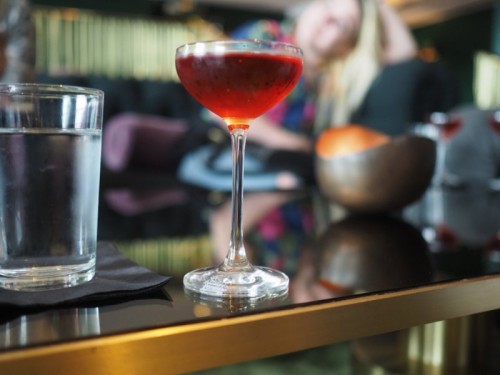
I went for the iPhone 8 Plus. Why? The camera. It actually has three cameras: two facing forwards, and one selfie. The two facing forwards, together with decent processing, result in stunning pictures, and can even emulate depth of field effects very convincingly (as in the picture above). It’s a big phone: a ‘phablet’, but it was the camera that made me opt for it, and so far I’m getting on very well with it. The iPhone7 Plus has a similar camera arrangement, as does the X. But the X wouldn’t give me anything better than the 8 Plus, and I’d be paying around £500 extra for it over the course of a two-year contract.
This is the first smart phone camera that produces something close to the quality possible with a proper camera and decent lenses. It’s not perfect, but it’s good enough to change my approach. Previously, if felt like a bit of compromise putting smartphone pictures on my blog: now I feel that in some situations, the smartphone pictures are just as good.
I’ve taken a few phone calls with my iPhone 8 Plus, just to remind me that this is actually a phone. But it’s actually a very sophisticated computing device. For now, I can’t do without a laptop (and I can’t see that changing), but this smartphone is really impressive.
from jamie goode’s wine blog http://www.wineanorak.com:/wineblog/uncategorized/i-have-another-new-phone-this-time-its-love
It was my birthday. And I was in Lyon. And at short notice we managed to get space at the bar at Cafe Sillon, which I’d heard a lot about. It exceeded expectations: the set menu was sensitively cooked and very imaginative, with a couple of options for each course (for a small place like this, offering fewer options is a great idea). But it was the wine list that I was here for: one of those lists where it hurts only being able to order just a couple of bottles. Still, we drank well, revisiting the Grands Teppes from Ganevat that we’d enjoyed back in June, and then smashing a beautifully pure natural northern Rhône.
It was a fine evening, and the whole experience was very special.
Domaine Jean-François Ganevat Les Grands Teppes Vieilles Vignes 2013 Jura, France
An impeccable, thrilling Chardonnay from Jura star Ganevat. Intensely vivid, mineral, spicy and focused with incredible acid structure. So complex with vital citrus fruit, a hint of apple and pear, and fine spicules. So intense and linear. Profound. 96/100
Dard & Ribo Crozes-Hermitage 2015 Northern Rhône, France
Vivid, intense and peppery with grippy structure under the sleek, pure raspberry and black cherry fruit. Focused and intense with lovely typicity. Essence of cool climate Syrah with grainy, grippy structure. 94/100
I’m a big Chablis fan, and these two bottles really hit the mark.
Sebastien Dampt Chablis 2016 Burgundy, France
12.5% alcohol
£19.50 Berry Bros & Rudd
This is benchmark Chablis, with lovely concentrated flavours of lemons, wet rocks, a twist of creaminess and some white peach richness. It has real presence in the mouth, and lovely fresh acidity. 92/100
Fèvre-Fèvre Chablis 2016 Burgundy, France
£17.50 Tanners
12.5% alcohol
Beautiful nose of tangerines and lemons with a stony edge. In the mouth this is really expressive and delicate with delicious tangerine and lemon flavours, a bit of peachy richness, and lovely balance. This is a thrilling wine that’s rich and delicate at the same time. 92/100
Very impressed with these English sparkling wines, from chalky soils in Dorset.
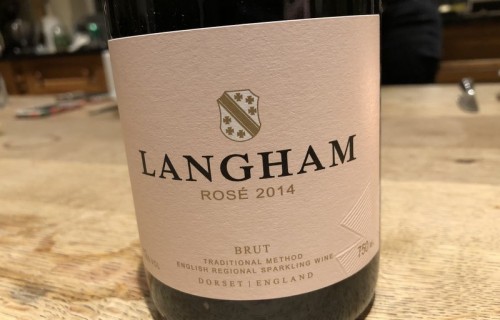
Langham Rosé 2014 Dorset, England
12% alcohol. From Cretaceous chalk soils in Dorset, this is a blend of the classic Champagne varieties. It’s an attractive light pink colour, and shows taut, compact cherry and citrus fruit with a hint of red apple and just a trace of creaminess. Lovely balance and texture here: a really refined, expressive sparkling rosé. So pure and harmonious. 92/100 (£26 Marks & Spencer)
Langham Classic Cuvée 2014 Dorset, England
12% alcohol. Hailing from Dorset, this English fizz is made from the three classic Champagne varieties grown on chalky soil. It’s rich and fruit-driven with ripe pear, apple and citrus fruit and really well integrated acidity. There’s a hint of brioche/toast, too, adding interest. It’s really delicious in a ripe style. 90/100 (£24 Marks & Spencer)
from jamie goode’s wine blog http://www.wineanorak.com:/wineblog/england/two-lovely-sparkling-wines-from-langham-dorset
I found this on the list at La Maison du Columbier in Beaune the other night. It was beautiful. This place has the most amazing wine list: it’s so good it hurts that you can only share a couple of bottles between two of you.
Champagne Marie Noelle Ledru Grand Cru 2009 France
Intense and bold with apple and citrus on the nose as well hints of wax and nuts. The plate is intense with amazing acidity and precision as well as nuts, herbs, a hint of anise and fine spices. Quite vinous. Profound. 93/100
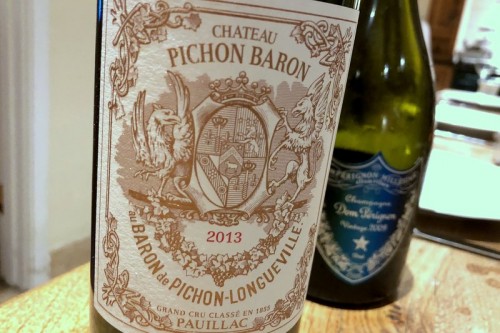
Recently I was lucky to be able to taste all the Pichon Barons from the current era, 2001 until 2014. They were lovely wines, but one was missing: the 2013. This is widely regarded to be the weakest Bordeaux vintage of recent years (perhaps alongside the 2007), but I had a bottle lurking, so I cracked it over dinner a few nights ago. These days, a Château like Pichon doesn’t release bad wines, and the 2013 is not a bad wine. I really enjoyed it, and although I wouldn’t cellar it for 15 years, it will make fabulous drinking over the next 5-10 if you have any.
Château Pichon Baron 2013 Pauillac, Bordeaux, France
This is really fresh and balanced. Lovely blackcurrant fruit with some raspberry freshness, and savoury notes of gravel and spice. It’s definitely a lighter expression of Pichon, but it’s perfectly proportioned and drinking very well now, and will carry on drinking well for a decade, I reckon. Lovely focus and definition here. Classic Claret with nice structure and acidity. 93/100
This, the latest release of Champagne Dom Pérignon, was released out of sequence, before the 2008. It’s because of the ripeness of the year, which has produced a wine that drinks superbly young, but which has plenty of finesse and manages that ripeness superbly.
Champagne Dom Pérignon 2009 France
Amazing finesse and purity here. Fine aromatics of lemon and subtle toast, with a twist of white peach richness. The palate is pure and focused with lovely fine citrus fruit and faint supplementary hints of cream, toast and pear. Ripe and fruit driven but with lovely delicate savoury complexity. Almost perfect balance: nothing sticks out, and overall this is a lighter expression of Dom Perignon. There’s an effortless elegance here. It’s thoroughly accessible and also serious at the same time, a product of a ripe vintage but handled in such a way to maintain freshness and purity. 94/100
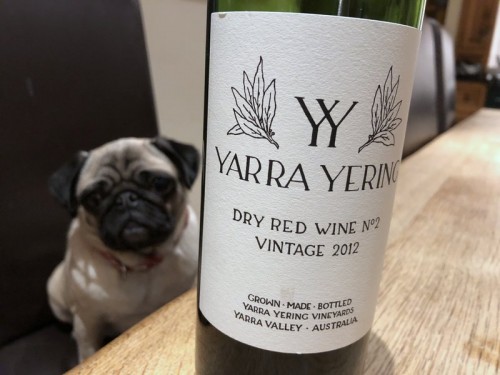
Yarra Yering, with its distinctive labels, is one of my favourite Australian wineries. I drank this gem last night: probably well before its time, but it was lovely. [Read more about Yarra Yering here.]
Yarra Yering Dry Red Wine No 2 2012 Yarra Valley, Australia
This is the Shiraz-based wine. Fresh, sweetly fruited and textural with a complex leathery, spicy, slightly meaty edge to the berry and cherry fruit. There’s just a hint of mint and medicine, but the dominant theme is supple, juicy sweet berry and black fruit. Developing very nicely, this is beginning to mellow out. It’s Australian, but it doesnt taste overripe or dominated by eucalyptus. Instead this is balanced, approachable and delicious, and will age beautifully over the next decade or two I reckon. Lovely weight here. 94/100
There’s something special about very old wines. While I was tasting through the Las Palmas sherries with Martin Skelton last week, I got a chance to try this remarkable wine, and alongside it as a comparison, the same wine that had been aged in bottle since 1919.
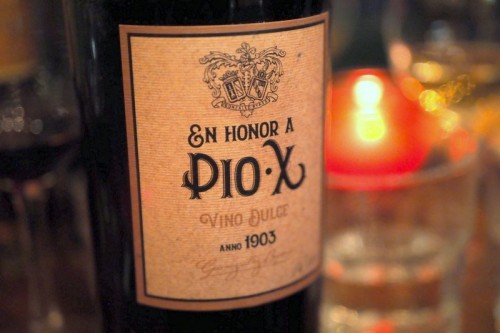
The Pio X hails from a single barrel of wine that was made in either the 1850s or 1860s, before phylloxera hit the region. This wine was made from Moscatel Menudo Blanco (which is Muscat Petit Grains), which was replaced after phylloxera by Muscat d’Alexandria, and was the 2600 litre barrel was dedicated to new Pope Pius X (Pio X in Spanish) in 1903 by current chairman Mauricio Gonzalez Gordon’s great grandfather. The wine wasn’t fortified and had an alcohol level of just 9%.
Over the years wine was removed from this cask, most notably 1000 litres in 1911. After this the odd 50 litres were removed from time to time, but this stopped in 1946. The current bottling is from the remainder of the cask, which by this stage was just 90 litres of incredibly concentrated wine. This was enough for 120 bottles, of which 100 will be sold (expect retail price to be around £1000), and 20 kept.
As well as tasting this wine, we also got to look at the same wine, but bottled back in 1919. Just 14 wines were left, and Gonzalez Byass were sure that 7 of them were Pio X. So it was incredible to compare the journey that the same wine took in cask and in bottle. They are both equally compelling, but different.
Gonzalez Byass Pio X
The release wine, aged for more than 150 years in cask. Super concentrated and very intense with amazingly smooth flavours of raisin and spice, with a hint of treacle. So viscous and smooth and intense. 97/100
The same wine from bottle:
There’s a freshness here with hints of mint and earth as well as sweet raisins and spice. Viscous and intense with fine herbs and spices. Some leafy detail. Compelling stuff. 97/100
from jamie goode’s wine blog http://www.wineanorak.com:/wineblog/spain/pio-x-1903-from-gonzalez-byass-an-ancient-moscatel
So, it’s Beaujolais Nouveau day. For quite a while, those of us who love Gamay and Beaujolais were a bit embarrassed by this seemingly outdated celebration. We cringed when we saw a region market itself through its worst wines. But as the reputation of Beaujolais has been rebuilt, now people are taking this day – the 17th November – as a chance to celebrate Beaujolais more widely. And we’re also seeing the emergence of some properly delicious Nouveau wines. This is a great example: it’s smash able and affordable, and is a primary, infant expression of the new vintage, capturing both the year and the place in a quick preview of what is to come.
It’s from Château de Grandmont, and one of the partners here is wine merchant and Beaujolais expert Chris Piper, who is selling the wine at £8.80 in the UK.
The wine is made from 52 year-old vines (planted on Vialla rootstock) from their Blacé vineyards in the Beaujolais Villages area. The soils here aren’t pure granite, but rather clay and limestone, with some granitic rocks. The vines are hand-picked, and the Gamay grapes are given a brief, honest six day fermentation (without any tricks such as thermovinification, which involves heating grapes and must up before fermentation begins to extract more colour and aroma from the skins), and then it is pressed. Minimal sulphur dioxide is added, and only at bottling. Screwcap seal (saranex liner).
Château de Grandmont Beaujolais Villages Nouveau 2017 France 12.5% alcohol. Vivid and aromatic, this shows black cherries, herbs and some subtle gravel notes on the nose. The brightly fruited palate has a distinct stoniness that I often find with Gamay, and delcioulsy primary, forward black cherry and raspberry fruit. There’s some grip here, and good acidity, and this all helps keep the juicy, primary fruit honest. There’s almost a cheesy, meaty twist on the finish. It may be nouveau, but it has a twist of seriousness as well as the delicious smashability. 90/100 (£8.80 www.christopherpiperwines.co.uk)
It’s a big deal, because now this is legal (it was claimed by opponents that it broke EU competition law), it could be rolled out into other countries. I think it’s a positive thing, overall, although the drinks trade have been campaigning against it.
How does it work? Basically, it sets a minimum price per unit of alcohol (in this case 50 p), and will impact on the cheapest forms of alcohol, such as high-strength lagers, inexpensive vodka and whisky, and cheap ciders. The cheapest bottle of wine at 12.5% alcohol would become £4.70, so very few wines will be affected. For a 4% can of lager, the minimum price would be £1.
This isn’t the answer to alcohol abuse. But it’s much more sensible than some of the other options, such as changing the safe-drinking guidelines, raising taxes, or banning advertising of alcohol. The government will need to do something about alcohol abuse, and this is the best option because it leaves interesting booze untouched.
The drinks trade needs to show it’s taking problem drinking seriously, and MUP addresses the sorts of products that tend to be abused more often. As a parent of teenagers I saw the chaotic drinking patterns of my kids’ peers, and they were drinking the likes of K Cider, strong lager and cheap spirits, all of which made it too affordable and easy for them to get very drunk.
Increasing the price of booze does reduce overall consumption, and the other way of doing this is raising duty. MUP, which targets just cheaper products, is much better for the industry because it’s not a tax. To oppose it would show that the drinks industry is interested in profit over public health, and the
consequences of this stand in terms of government public health legislation could hit drinks companies a whole lot harder than MUP.
Anyone making serious, crafted products, or with decent brands, has nothing to worry about because it won’t impact them. And it won’t touch the on-trade.
Ultimately, alcohol abuse is a symptom of something deeper in society. It has always been with us, and always will, but the problem certainly isn’t being helped by the affordability of alcohol, which has become cheaper in real terms over recent decades. MUP is much better than the prohibitionist rhetoric that wants to tell people that any level of alcohol consumption is harmful, which is not borne out by the many meta-analyses that show a protective effect of moderate drinking.
It would be interesting to see what effect introducing a MUP of say 60 p per unit would do. It’s not taxation, so if there is a higher spend, retailers and producers could benefit. Will higher prices reduce consumption? This will be interesting to follow.
My advice to the drinks trade would be to support MUP. Think of all the alternatives, and you’ll see that this is by far the most sensible and least painful of the various public health initiatives to curb excessive boozing.
from jamie goode’s wine blog http://www.wineanorak.com:/wineblog/uncategorized/some-thoughts-on-minimum-unit-pricing-of-booze
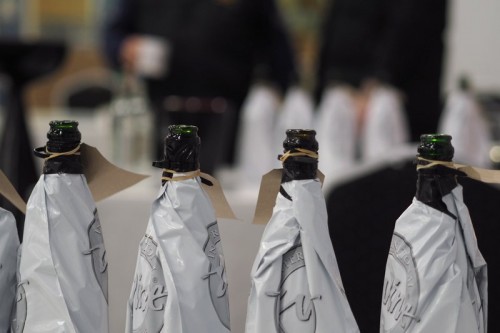
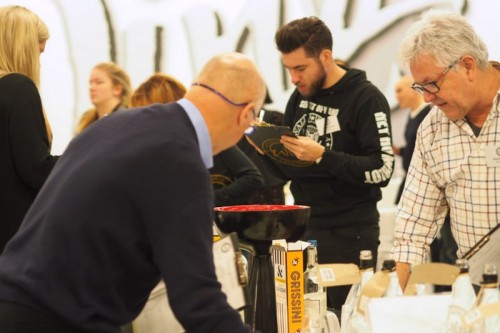
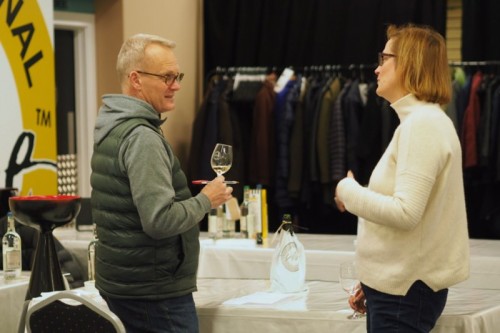
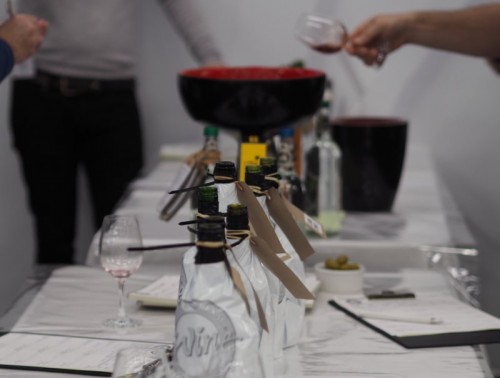
It’s Tranche 1 of the 2018 International Wine Challenge this week. [In case you are wondering why it’s 2018, not 2017, a couple of years ago an extra week’s judging was included in November in order to (1) take some of the pressure off the two-weeks’ judging process in April and (2) suit better the needs of southern hemisphere producers who are going to be bringing their wines to market before April and would like to use medal awards to help promote them.]
In Tranche 1 there are four days of judging, with two days round one, a rest day, and two days of round 2. I’m co-chairing again, a job that’s demanding but really enjoyable. There are six co-chairs, and our job, as Charles Metcalfe puts it, is to act as a long stop (a cricketing term: where the wicket keeper is incompetent, as is often the case in youth cricket, the long stop fields directly behind the stumps on the boundary, saving valuable runs when the ball gets past the keeper).
Charles Metcalfe and Oz Clarke, co-chairs
In round one, the panels decide whether or not a wine is medal worthy. We taste just those wines that they reject, checking that nothing good has been mistakenly booted out. It’s not the most pleasant job. We start with the assumption that the panels have got things right, and usually they have, because one of the strengths of the judging at IWC is that the judges and the panel chairs are assessed to make sure they are doing a good job. Tasting wine blind in this context is a tough job and requires judges with skill and experience. If one of us wants to change a result off the floor, then we need a second co-chair to agree. We don’t change that many results, but we do change enough to make our existence worthwhile, and provide a consistency and robustness to the IWC results that helps give better results. We want every wine entered to be treated as fairly as possible.
Tim Atkin and Sarah Abbott, co-chairs
Today is a rest day while the wines that got through are re-flighted. Tomorrow we are back for two days to decide on medals. This is where things get really interesting, and it helps to have narrowed down the field in order to do this stage well.
Some people are critical of wine competitions, for a range of reasons, but it’s worth stating why a well-judged competition is useful. It’s one way for consumers to navigate through a wall of wines in a supermarket or wine store. It’s also a good third-party endorsement for producers looking to export their wines. Achieving a gold medal at the IWC is a major achievement. And if you are a retailer with a range of private labels, then medal success is a good indicator of how well the buying team did.
If a highly paid marketing consultant had come to Plaimont a decade ago, they might have given the following advice: give up on these difficult-to-pronounce, unusual grape varieties with their distinctive local flavours. Instead, plant the grape varieties that people know and love – Sauvignon Blanc, Merlot, Chardonnay and Cabernet Sauvignon. Make fruity, approachable wines. Blend in some grape juice concentrate to sweeten them up a bit. Make the wines that people want to buy: don’t try to force your obscure wines on the consumer.
But I’m fairly sure this would have been disastrous advice. Plaimont would have been sucked into a rapid race to the bottom in terms of pricing, competing with countries who could make wine much more cheaply. And the heritage of the region would have been disrespected and damaged, perhaps beyond repair.
Instead it is encouraging to see a large company, with some 5000 hectares of vines under their control, taking an approach that is based on regional flavour and identity. In the three appeallations they work in, Saint Mont, Côtes de Gascogne and Madiran, they are using the traditional varieties. But they are also looking to find what I like to call ‘new old’ varieties from the region. These are varieties that used to be grown but were discarded for the wrong reason. As I mentioned in my earlier piece on their Cuvée Prephylloxerique, in the past there was a need for wine as a staple. People drank a lot of it, and this wasn’t fancy drinking by fancy people. It created a demand for volume over just about any other criteria, so vines that didn’t yield highly but which produced characterful wines were often sidelined or forgotten altogether.
Now, the team at Plaimont, led by research coordinator Nadine Raymond, has been making a big effort to unearth these forgotten varieties, and see what sort of potential they have. As well as working her way through existing older vineyards, with the help of some of France’s top ampelographers, she also has at her disposal a unique treasure.
In the ancient Sarragachies vineyard
This is an ancient 0.2 hectare vineyard in Sarragachies. The Vins de Sarragachies are a historical monument and this plot is mentioned in records dating back to the early 19th century. Specifically, there’s a reference to it in the famous Cart de Cassini, the first detailed map published that covered all of France, from 1810. So these vines, which are on their own roots, are properly old. This plot was rediscovered by Plaimont in 1999, and they have been busy mining its viticultural riches. Overall there are 21 different varieties planted here, with seven of them unknown.
The Conservatoire
From this resource, plus the results of other viticultural forays, in 2002 Plaimont planted an experimental conservatory vineyard, the Conservatoire Ampélograhique, in Pouydraquin. This has 20 or so vines each of 37 different vinifera varieties, one wild vinifera (V. vinifera sylvestris), and one tetraploid version of the Pinenc variety.
From these vines, Nadine makes microvinifications each year. The results show that some varieties were rightly forgotten: they make low yields of very ordinary wines. But others show a lot of promise, and not least Tardif. This is one variety that will definitely be making an appearance in the vineyards, because it makes lovely wines with moderate alcohol and a distinct pepperiness (from very high levels of rotundone).
Why are new varieties needed? Plaimont are very happy with their existing white varieties (Gros Manseng, Petit Manseng, Petit Corbu and Arrufiac), but need something else to blend with Tannat for the reds. Currently, Tannat is blended with Cabernet Sauvignon, Cabernet Franc and Pinenc. The two Cabernets have trouble ripening. Pinenc (aka Fer Servadou) is great, but is very sensitive during flowering so yields can be quite low. And Tannat itself has plenty of personality but these days ripens with high potential alcohols, so could do with a bit of taming. It’s also very demanding viticulturally.
We tried microvinifications of four different red varieties:
Chacolis 2013 Cousin of Cabernet Franc. Intense with tannic black fruits, and some green notes in the background. Good acidity, too. Nice maturity. They think this might be better than Cabernet Franc, in terms of reaching maturity. Now they have 300 plants of this.
Dubosc 1 2014
An unknown variety. Related to Tannat. Not clear whether this is hermaphrodite or female: it has male parts but they don’t know whether this is effective. It’s a very late variety. Dense, structured and tannic with lovely blackcurrant and black cherry fruit. Grippy and taut with lovely freshness. Lots of impact, but not rough.
Manseng Noir 2014
Plaimont have been working quite a bit with this variety, and in these microvinifications that are looking to see whether there is a difference between the three selections found in the vineyard. This one was identified in Madiran. Green edge to the meaty, olive-laced nose. Lots of sweet fruit too. Smoked meat and spice on the palate with lovely ripe flavours and moderate alcohol.
Tardif 2014 Such a good grape! They will have 1500 plants to plant next year. They uHave 40 in the conservatory. Lovely bright, peppery, supple red and black fruits. Lovely supple wine with brightness and peppery detail. Very interesting with freshness and detail, good acidity and nice tannins. This could be a great variety in this region.
It was raining when we visited, but here’s a quick clip showing what the vineyard looks like:
from jamie goode’s wine blog http://www.wineanorak.com:/wineblog/wine-science/discovering-new-old-varieties-in-southwest-france-with-plaimont
Two great recent experiences with Barolo, which I’ve struggled to love a lot in the past. I love the idea of Barolo, but I’ve often found the wines to be a bit too difficult, with firm drying tannins and no pleasure. Yet occasionally I have had the most sublime experience with this region. It’s very confusing. And then there’s this whole modernist/traditionalist thing, which doesn’t correlate closely with the good/bad experiences I’ve had.
Coupled with this, there seems to be a subtle pressure to love Barolo unquestioningly. I guess if I’d actually spent much time in the vineyards, I’d get things much more, but my bad experiences have sort of put me off exploring. Often, I’ve found it cheaper and less risky, and more consistently enjoyable to get my Nebbiolo fix from Langhe Nebbiolo, the little sibling.
So my latest ray of hope was on Friday night at Noble Rot, where a friend pushed me in the direction of the 2008 Vietti Castiglione Barolo. This was a superb wine with real focus and elegance, and a lovely purity. I didn’t take notes, but just enjoyed it.
The second was a few weeks ago in Scotch Bar, in Blenheim New Zealand. It was the Albe from GD Vajra, and this showed a similar silky elegance and refinement. And real drinkability. It’s the second bottle of this that I’d had in Scotch, Vajra can do no wrong it seems.
So, buoyed by these experiences, I’m going to give Barolo a serious chance. I would love to hear of readers’ personal favourites, in the more elegant and pure vein.
from jamie goode’s wine blog http://www.wineanorak.com:/wineblog/italy/rediscovering-a-love-for-barolo
It’s always good to lunch at Terroirs. The combination of the food, wine and the vibe in the place makes it one of my favourite stops in London. On Friday I popped in with a friend fresh off a plane from New Zealand and we lunched really well. Above: Burrata, Smoked Eel, and Chopped Raw Beef, Swede & Truffle.
And this is classic Terroirs fare: Duck Rilletes and Pork and Pistachio Terrine.
Wines, set 1. A very elegant Ganevat Jura red with just a hint of spicy funk. Port Flirtation is a super pure Californian red (Carignan/Zinfandel blend, 11.3% alcohol) from Martha Stoumen that is the essence of drinkability. The Brutal red from Gut Oggau: very pale, peppery and a wee bit funky. And Colfundo is a superb reductive Prosecco that’s non-disgorged from Casa Belfi.
Wines set 2: Thierry Navarre’s Ribeyranc from the Languedoc. A forgotten variety: beautifully supple and drinkable with some meaty notes. Bow & Arrow’s Melon from Oregon, which is just beautiful. The Burja is bright, focused and fruity: a Sauvignon alternative. And the Chateau Chalon from the Jura is salty, tangy and delicious: a flor wine of great intensity.
There’s a lot of joy t0 be had at a place like Terroirs.
from jamie goode’s wine blog http://www.wineanorak.com:/wineblog/restaurants/a-great-lunch-at-terroirs-with-lovely-wines
Popped into the cosy and wonderful Bar Pepito yesterday to try the new Las Palmas sherries from Gonzalez Byass, with Martin Skelton. This year’s selection, 2017, was made by Pedro Ballesteros MW. [You can read here about the year I was chosen to make the selection: it was a really interesting experience trying through lots of sherry barrels.]
Tio Pepe Una Palma Fino
A typical, classic Fino. Averages five years old. Tangy and complex with nuts and cheese. Slightly more youthful this year. Tangy with nice citrus notes and a juicy brightness. Lovely complexity. 93/100
Tio Pepe Dos Palmas Fino
Eight years old. Gonzalez Byass have 120 casks of this age called Fino Amontillado. This is a selection of just two. Complex, refined, nutty and detailed with hints of caramel and almonds as well as some tomato umami. There’s olive brine on the finish. Lovely acidity. 94/100
Tio Pepe Tres Palmas Fino
10 years old. The flor dies between four and eight years but this depends on the individual barrel. This is spicy and rich with orange peel, cherries, nuts and cheese. Tangy and complex with lovely intensity. Such detail and finesse. 96/100
Tio Pepe Cuatro Palmas Amontillado
A solera system with 30 year old wine added to wine that’s over 50 years old. Concentrated with dried figs and raisins, as well as old furniture, spice,, vanilla essebce and coffee. There’s a lovely incense note too. Brilliant! 97/100
from jamie goode’s wine blog http://www.wineanorak.com:/wineblog/spain/the-new-las-palmas-sherries-from-gonzalez-byass
For the last few days I have been with Plaimont Producteurs in southwest France. They are a sizeable company who source from 5000 hectares of vines and make 38 million bottles of wine each year, from the appellations of Saint Mont, Madiran and Côtes de Gascogne. As well as making lots of good quality, characterful commercial wine, they also have special projects, and this is why I was interested in visiting.
One of these is to discover and nurture the viticultural heritage of the region. They have been scouting out old vineyards and identifying old varieties that might have been discarded for the wrong reasons. In the past, France needed a lot of cheap wine, and some varieties were chosen for yields and ease of growing over quality, while others had the potential for lower yields of high quality wine and were ditched. Those are now interesting.
Olivier Bourdet-Pees explains the pre-phylloxera vineyard in Saint Mont
In their quest, they discovered a beaten up old vineyard planted in 1871, before phylloxera hit the area. With fawn sand soils, one of the common terroirs of this region, the vines have survived even though they are on their own roots. In the film, I’m with Olivier Bourdet-Pees, GM of Plaimont Producteurs, who explains all about this small Tannat vineyard. After working to restore the vines and trellis them, the vineyard is now back in production, and each year Plaimont make around 1500 bottles of Cuvée Prephylloxerique from these venerable vines. This is one of very few remaining plots from this era in France.
Layering in action (the lower cane)
When a vine dies, it is replaced my layering (macrottage or provinage in French), where a cane from the mother vine is placed under the earth so that a new vine springs up from it, with new roots, filling in the gap.
The wine itself doesn’t disappoint. It’s beautifully made with real harmony and finesse, as well as intensity. And this is Tannat!
Producteurs Plaimont Vignes Préphylloxérique 2014 Saint Mont, France
An ungrafted plot of Tannat (0.49 ha) planted in 1871 produces this remarkable wine. It’s concentrated and dense with lovely freshness. There’s purity here, with nice acidity and structure. Really harmonious with amazingly pure blackcurrant and black cherry fruit, backed up by firm but fine-grained tannins. Such finesse, and the retail price of €55 is very reasonable for this vinous history. 95/100
from jamie goode’s wine blog http://www.wineanorak.com:/wineblog/france/vignes-prephylloxerique-a-tannat-made-from-ungrafted-vines-planted-in-1871
Wine writing is in its death throes, and there’s not much that can be done about it. [If it’s not already dead, that is.]
Why? It is because it is drowning in the sea of content. [And here we’re talking content as in media, rather than a state of peaceful happiness.]
This is not because there aren’t good writers out there – they still exist. Nor is it because of any problems in the wine world (despite what some vocal commentators suggest, wine is actually in better shape than it has ever been).
It’s because of major changes in which media content is consumed, and where the advertising spend goes.
All specialist newspaper columns, not just wine, are in trouble. And magazines are no longer profitable, so a specialist wine title is doomed, too.
This is largely because advertising money has moved. The way that newspapers and magazines survived was through advertising. Yes, they charge a cover price, but it’s the advertising that makes the money. They paid specialist contributors to produce good quality content that then allowed them to sell advertising.
And most of the advertising money has not only gone online, it is also now following user-generated content. Instead of specialists writing content, it’s the social media chatter that provides eyeballs for advertisers. So Google and Facebook now make the money that newspapers and magazines used to. They don’t have to pay their content generators.
Another, related, nail in the coffin of professional content suppliers (such as wine writers) has been the changing way we access content. When I started work in 1993 most people on the commuter train had newspapers. Now they have mobile phones or tablets. On the internet, there’s enough free content that we don’t feel much of a need to pay for any.
There’s also a vast profusion of content. The sea of content has myriad voices. It’s almost overwhelming: how do you get noticed or read?
There still exist a few professional wine writers. I’m one of them. But in the absence of specialist columns that pay well, or decent-paying magazine commissions, we’ve all had to find extra ways of making a living.
There are business models for surviving in the new media landscape, but many of them are questionable. As a wine writer, I don’t want to be involved in one of these models if it involves asking wine producers for money, as some media organizations and individuals do.
There’s still a need for words about wine. It’s a shame the old model is broken, but wine writing is not alone in the media world in having to adapt to a novel and still-changing landscape. Creativity, honesty, bravery and perseverance will be necessary for success.
from jamie goode’s wine blog http://www.wineanorak.com:/wineblog/uncategorized/wine-writing-is-drowning
On my recent Japanese trip I had a chance to visit two high-end artisanal sake breweries. It was really interesting, especially coming from a wine background, to see how sake is made.
Rice at various degrees of polishing
The sake making process begins with the polishing of rice. The amount of material removed is expressed in a percentage, and generally speaking the lower the polishing rate the more flavour, but at the cost of elegance and refinement (although this is a simplification).
Rice ready for steaming
The polished rice is then soaked carefully to absorb just the right amount of water.
The rice is then steamed and after the steaming process it’s popped onto a complex looking conveyor, which is responsible for cooling the rice down to the right temperature for the next step.
After this, the rice goes to warm room where it is spread out on racks and dusted with fungal spores, known as koji (scientific name Aspergillus oryzae). It’s this fungus that starts a process that converts the starch into sugars. This is a critical stage in the process, and a good sake brewer will be monitoring the rice carefully.
We tasted some of the rice that was undergoing this process, and it was partially sweet. The room is kept in the mid-30s centigrade, and at an appropriate (high) level of humidity.
Then, it’s time for fermentation. This takes place at cool temperatures, and involves sequential addition of yeast, more koji, and rice, and this is followed by pressing. The best sakes aren’t just free run, but contain some pressings, too.
You can see some of this process in action in the following short film, which was shot at both breweries.
Matsunotsukasa sake brewery
Matsunotsukasa sake brewery is based in the Shiga prefecture, to the east of Kyoto. Close by is Lake Ryuou, and Mount Ryuou, but here the land is flat and suitable for rice production. The region is famous for its omi beef and preserved, stinky sushi.
There are two rice sources: one is close to Kobe and is the sake rice equivalent of a Grand Cru site: it’s triple A graded. Only a handful of producers have the right to farm this plot, which is called Tojo, in Katou City. The soils there consist of very dense, heavy clay and the water is hard.
The second is local to the brewery. The same variety, Yamadanishiki, is grown here but the soils are nutrient poor, the water is softer, and the productivity is lower.
We met with chief brewer Ishida Keizou and the MD Tadayuki Matsuse for a tasting and tour.
I have scored these sakes on a 10-point scale. They were all superb (8 is a high score, and 9 extremely high).
2016 Yamadanishiki, Junmai-ginjo, polishing rate at 50% Made with soft water. Gentle fermentation and round palate. Lovely complex favours: really bold and rounded with nutty notes and some sweetness. Lovely texture here with apple and pear fruity notes. Really stylish and full flavoured.
2016 Yamadanishiki, junmai, kimoto(ancient method), amphorae, polishing rate at 65% (Red label) Really complex and full flavoured with a slight cheesy edge to the bold, rich, nutty fruity characters. It’s really rich and smooth with lovely savoury complexity. Has a long, slightly salty finish, with some herbal hints. 8.5
2015 Yamadanishiki, junmai-daiginjo, polishing rate at 35% (black label) Low polishing rate delivers more flavour. Very elegant aromas: fine, some ripe pear. Really supple and elegant on the palate with refined, smooth texture and subtle nuttiness, with some salty hints. Lots of flavour. Finishes smooth and savoury. 8
2015 Yamadanishiki, junmai-ginjo, azolla (Organic), polishing rate at 50% (Azolla means water cress in Italian). (Green label) Beautiful elegant aromas of fine ripe pear and green apple. The palate is very open and fruity with lovely smoothness, nice texture and depth, and subtle nutty hints. The finish is really long and smooth. Such refinement and concentration. 9
2014 Yamadanishiki, junmai-daiginjo, azolla black, polishing rate at 35% (dark blue label) Fruity, refined nose. Some straw, citrus and pear. Really rich and expressive on the palate with lovely fresh fruity characters. Has depth and freshness, and lots of flavour. Some herbal hints, and a long, nutty finish. 8
2013 Yamadanishiki, junmai-daiginjo, azolla black, polishing rate at 35% Detailed, broad and really interesting with pear, ripe apple and a hint of melon, even. Very stylish and expressive with amazing freshness, focus and purity. A really long, smooth, fruity finish. 9
Yamadanishiki, junmai-daiginjo, Matsu, polishing rate at 30%
A different style with international markets in mind. Bright, aromatic and very fruity on the nose. Very fruity on the palate with pears, melon and even table grapes. Very enticing with a hint of sweetness and some nutty notes on the finish. Lots of flavour here. Slightly salty. Impressive in a different style. 8.5
Enasan Brewery
Enasan is a sake brewery located inland, in Nakatsugawa in the Gifu prefecture. Here there’s a continental climate with hot summers and cold winters, where the temperature dips as low as -10 C.
Nakatsugawa is a bit of a touristic hotspot, on a symbolic road from Tokyo to Kyoto. It is one of the resting places. It is also home to cut flowers, Takamine guitars, Ena violins and Kiso AOP cypress wood. This is also a place famous for traditional sake drinking vessels.
The Enasan brewery dates back to 1820. More recently it merged with the Maruto-Mizutanidi distribution company. Takahumi Sumikawa is the consultant sake maker here; we met with chief sake maker Katsuyuki Iwagama.
Production is 65 000 bottles per year.
80% of the production is from Yamadanishiki rice, but 20% comes from Gohyakumangoku and Hidahomare rice (the latter is a local variety that deals well with cold winter temperatures).
All the production here is junmai-gingo style which is rare
Yamadanishiki, Junmai, 60% This is a very fruity style with lively apple and pear characters, as well as some nuttiness. There’s some citrus on the finish: mandarin and lemon. This is quite bright and vivid, with real freshness and intensity. Long sweet finish. 7.5
Yamadanishiki, Junmai-Ginjyo, 50% Delicate, floral nose with some sweetness. The palate is very fresh with bright fruity characters (pear, mandarin) but also a lovely refined nuttiness. Lovely texture with sweetness and saltiness in nice tension. 8
Hidahomare Junmai-Gingyo 50% Really distinctive: a fresh style with lots of citrus characters, including lemon and tangerine. The flavour builds after it enters your mouth, and it finishes lively, nutty and spicy. Very long, savoury finish. Quite different in style. 8
Yamadanishiki Junmai-Daiginjyo 40%
Refined nutty, waxy aromas. Subtle ripe pear fruit. Lively palate has a rounded texture and some bright citrus peel notes, as well as baked apple and conference pear. Long finish is nutty, sweet and quite bright. Nice harmony here: lots of flavour. 8.5
“Shumikawa” Junmai-Daiginjyo 40% Nakadori
This is very elegant and textural, but also has freshness and lightness. It has a nice balance between fruity (melon, pear) characters and also the slightly spicy nuttiness, and finishes smooth, long and sweet. Nicely fruity in style. Accessible yet serious. 8.5
from jamie goode’s wine blog http://www.wineanorak.com:/wineblog/uncategorized/visiting-two-excellent-sake-producers