Thursday, May 31, 2018

In Vancouver: dinner at Forage with some nice BC wine

Arrived last night in Vancouver, and it was straight off to dinner at Forage with the small UK press group I’m travelling with, and Chris Coletta of Haywire. Forage is a really impressive place with lovely small plates – everything was spot on. Favourite dishes:

  • Keremeos asparagus, St. George’s mushrooms, asparagus purée, mushroom velouté
  • beetroot salad, compressed radishes, smoked yogurt, bull kelp granola
  • brown butter & spruce tip gnocchi, fromage frais, nodding onion

Its innovative nature is probable best summed up by one of the desserts we had, which was entirely constructed from vegetables (pictured below). The wine list here is exclusively from BC (British Columbia, the Canadian province we are in, which has the Okanagan and Similkameen Valleys as its main wine regions), and we had some nice bottles:

A vegetable dessert!

Stag’s Hollow Albariño 2016 Okanagan, Canada
I’m pretty sure that this is the only Albariño in the Okanagan. Full flavoured but very fresh with linear citrus and pear fruit. Nice lemony fruit with some tangerine hints. This is a really successful take on Albariño. 90/100

Little Farm Pied de Cuvée Chardonnay 2015 Similkameen Valley, Canada
I really like this, but for the record I must note that it was a little too extreme for the rest of the group. I ended up drinking what they’d left. Apply, nutty, lemony and textural. Minerally and intense with lovely precision. An oxidative style but with lovely acidity and freshness. 92/100

Blue Mountain Pinot Noir 2015 Okanagan, Canada
This is a very drinkable Pinot, showing elegance and some non-fruit complexity. Juicy and bright with red cherries, plums, fine herbs. Detailed and spicy with some undergrowth characters. Elegant and characterful and tasting beautiful now. 91/100

Meyer Family Vineyards Pinot Noir Old Block 2016 Okanagan, Canada
This is rich and ripe with dense sweet black cherry and blackberry fruit. Smooth, lush and fine-grained with nice density in the mouth. A really bold intense Pinot that is impressively broad and concentrated. 90/100

Find these wines with wine-searcher.com

See also: The wines of British Columbia, diversity and purity


from Jamie Goode’s wine blog http://www.wineanorak.com:/wineblog/canada/in-vancouver-dinner-at-forage-with-some-nice-bc-wine

For Fine Wine Investment opportunities check out Twelve by Seventy Five: http://www.twelve-by-seventy-five.com/

from
https://twelvebyseventyfive.tumblr.com/post/174437488467

Wednesday, May 30, 2018

Interesting Marlborough: meeting the Vandals

The three Vandals

Vandal is a micronegociant project based in Marlborough, New Zealand. It began in the 2016 vintage, and it’s a collaboration between three local winemakers who all had kids, and who wanted to get out of the house more. They’d all been making Sauvignon Blanc since they were young, and now wanted to make something different: not the commercial, bright style they’d been taught to make at all the big wineries.

I visited and tasted with them in a duck-shooting hide in the middle of a vineyard, near a river. I can’t disclose the location, in part because I was taken there blindfold (and also because I’m a good sport and I didn’t check the location on my phone).

The idea is to work with good sites, all in the southern valleys of Marlborough, and to use winemaking techniques they don’t get to use in their day jobs. The whole secrecy thing is because their contracts allow them to make some home brew, but not to promote it. ‘We all reached the point at the same time when we wanted a creative outlet; a side project,’ one of them explained. ‘We met up over beers and came up with this.’

The term vandal comes from ancient times when the vandals couldn’t fight Ceasar on the open battlefield so instead they defaced his statues. ‘We are defacing the commercialization of Marlborough, showing that it isn’t just a one-trick pony,’ another one stated.

The approach isn’t natural, but rather lo-fi. 2016 was a great first vintage to start off with, but in 2017 they made no wine. Here I tried samples of the 2018 which will be the second release. In New Zealand the wines sell for $35; in the UK they will soon be for sale at £20 through the Antipodean Sommelier, and will be in some independent wine shops.

THE WINES

Vandal Gonzo Field Blend 2016
This is all from the same site: the different varieties are co-fermented and go straight to the barrel from the press, with no added sulfites save 30 ppm before bottling. It’s a blend of Pinot Noir, Syrah, Tempranillo, Chardonnay, Viognier, Riesling, Pinot Gris and Riesling, with the latter two the dominant varieties. Concentrated with nice depth. Rounded and a bit spicy, showing nuts and honey and a grainy edge, as well as almond and tangerine. This is all about texture, with a slight bitter twist on the finish. 92/100

Vandal Gonzo White 2016
This is Pnot Gris, Viognier and Riesling from the same site, hand harvested, then destemmed to an open top fermenter. It’s fermented on skins until 5 or 6 Brix and then pressed. Full yellow/copper colour. Lovely stuff: fresh and tangy with a slight bitter hint and lovely citrus, pear and some peach notes. Really nice delicate tannins and good acidity here, with a hunt of green tea on the finish. 93/100

Vandal Gonzo Red 2016
Pinot Noir with a bit of Viognier. This is picked and fermented whole bunch carbonic for two to three weeks. Pale in colour. Beautifully fragrant and supple with sappy, bright raspberry and red cherry fruit. Has some nice savoury grip. Natural and expressive with a bit of grip. Lovely white pepper spiciness. 94/100

The 2018s we looked at were obviously unfinished wines, but it was nice to see the potential.

Gonzo Oyster Sauvignon Blanc 2018
A new wine in the line-up. This is a mix of various lengths of skin ferment: 5 days, 2 weeks and one in between. Still fermenting, this has lovely weight and texture. Perfect with oysters, and the rumour is that there is even an oyster in the ferment.

Gonzo Field Blend 2018
Same mix as 2017. Rich and textural with nice weight. Has a smoky edge to it. Will be lovely.

Gonzo White 2018
Riesling and Viognier. Macerated overnight in the press, in order to lift the pH a little. Lovely fruit here with citrus and tangerine, and some nice spiciness.

Gonzo Red 2018
50% Pinot Noir, 40% Syrah and 10% Viognier. Pinot was destemmed (there was some rot) but the Syrah and Viognier were left whole bunch. Very fresh and direct with a bit of pepperiness. Beautifully integrated with some tannic grip. Lovely purity.


from Jamie Goode’s wine blog http://www.wineanorak.com:/wineblog/new-zealand/interesting-marlborough-meeting-the-vandals

For Fine Wine Investment opportunities check out Twelve by Seventy Five: http://www.twelve-by-seventy-five.com/

from
https://twelvebyseventyfive.tumblr.com/post/174399231342

Tuesday, May 29, 2018

Interesting Marlborough: Clos Henri

Clos Henri is the Marlborough outpost of the Bourgeois family of Sancerre. They first came to New Zealand in 1999 and decided they wanted to make wine here, but rather than take on an existing project they wanted a blank canvas. Their focus was to be Sauvignon Blanc and Pinot Noir, just as in their Loire home base. They’d previously investigated a few countries, including South Africa, but New Zealand won. After investigating the terroir of Marlborough, they decided on this site, with its older soils, up valley. Altogether they dug around 70 soil profiles to see what was going on.

Clay soils, just a few metres away from stony soils

Initially they planted 21 hectares; now there are 45 ha of vineyards. The soil varies, largely because the Wairau fault line passes through the property. On one side of it there are the Old Renwick Terraces, which is the old riverbed of the Wairau. Here there are big stones, and it’s pretty free draining. On the other, there is Broadbridge Clay, from young clay uplifts. Then there are the hillside sites, also clay-dominated.

Hillside vineyards

Most of the Pinot Noir is planted on the clay, while the Sauvignon Blanc is planted on the stones, but there are a couple of blocks where this is reversed. Initially plantings were 8000 vins/ha, but most is at 5000 vines/ha, which suits the site better.
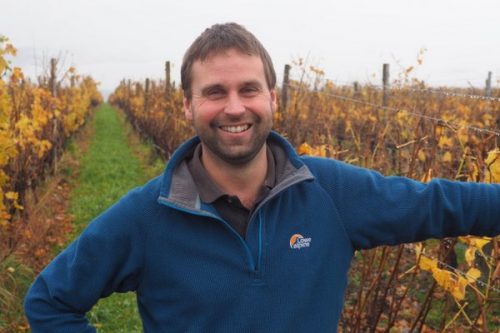
Damien Yvon, Clos Henri winemaker

I visited with winemaker Damien Yvon. Damien is originally from Chinon, studied in Muscadet and worked at a number of wineries, including the Moueix group in Bordeaux, Dominus in California and Georges Michel in Marlborough (in 2004). He was 24 years old when he was hired by Clos Henri, who’d experienced some problems with the people they’d hired to establish their New Zealand vineyard. When Damien arrived in 2006 the other employee was the young Takaki Okada who was working in the vineyard. With the help of one family member, Damien made the wines that year at the Indevin winery. 12 years later, and Damien is still here.

The estate has been organically certified since 2013, with conversion beginning in 2010. Biodynamic practices have been used since 2011. The challenge for organics here is undervine weed control in the stony sites. They’ve moved 35 tons of stones, which just seem to keep surfacing and which damage the blades of the weeder.

As with elsewhere in the wine world, trunk diseases are a worry, although they are yet to make a lot of impact in the region (partly because so many vineyards get replanted at age 20 to keep productivity high). Damien follows the advice of Loire viticulturist Francois Dal, who has visited. He advocates pruning that respects the sap flow, with each cane laid down from a spur that is cut to the outside, keeping the head clear, and also not cutting too close so any die back from the pruning wound doesn’t affect the flow.

Damien is convinced that the biggest potential for improvement with Sauvignon is in the vineyard. ‘The amount of water put on Sauvignon that isn’t needed is insane,’ he says. He uses a pressure bomb and moisture probes, in order to give the vine water only when it really needs it.

Calcium deficiency is a big problem in the region. It’s needed to hold the structure of clay together, and also to counter acidity stress, which Dal thinks is a problem here. But he doesn’t use lime, which changes the soil analysis too quickly. Instead, for the last few years he’s been adding 5 tons/hectare of mussel shells. It hasn’t changed the soil analysis, but the vineyard has come to life. The foliage was previously slightly yellow, which was a soil acid issue.

Addressing excess vigor has been an issue. All new plantings have been on Riparia Gloria rootstock. But in 2013 the vigor dipped to a point that the vines weren’t too healthy, so they started using a cover crop every second row to get the vigor up a little.

2018 was a difficult vintage here. Pinot Noir was 40% down, while Sauvignon was 30% down. Overall, there was a massive 400 mm rain during the growing season. They were hit by botrytis early, and then there was some more rain just before the grapes were fully ripe.

Damien likes to work without using sulfur dioxide during fermentation, even with Sauvignon Blanc. He keeps the fine lees, and if the wine is smelling a bit he will take a pump and puff the lees up in tank. Last year he even did aerative pumpovers without any sulfites present. ‘I won’t use copper,’ he says (this is commonly used to fine wines before bottling to offset any reductive issues when bottling with screwcap, but it can also damage aromatic compounds). ‘In 12 years here I have never added copper.’

The Sauvignons in 2018 taste promising, and the Pinot Noirs are also really good, despite the reduced quantities. In 2017 he fermented Pinot at a peak temperature of just 25 C, because he was worried about extracting greenness. In 2018 he went to 30C, then at 1060 density took it down to 25 C. He’s not carried out any punch downs for the last three years.

Clos Henri Blanc de Noirs 2014
This is from half a hectare of Pinot next to the chapel. Tight and fruit-driven with notes of wax, citrus and almond. Lovely juicy fruit with nice acidity and precision. 90/100

Clos Henri Petit Clos Sauvignon Blanc 2017
This is from younger vines and is 80% from stony soils. Really aromatic and expressive with passionfruit and tangerine on the nose. The palate is delicate and fine with a lovely mouthfeel and bright tropical and citrus fruit. Very light and pretty. 91/100

Clos Henri Bel Echo Sauvignon Blanc 2016
This is from older vines on clay, fermented in stainless steel. Quite taut and structured with a delicate herbal twist to the citrus fruit. Linear and bright with good acidity and lovely weight. 92/100

Clos Henri Sauvignon Blanc 2017 (from tank, final blend)
Just 6% oak this year compared with the normal 10%. Linear and focused with a hint of nice greenness and some nettly notes. Lovely delicate citrus fruit with some tangerine, fine spiciness and great delicacy. Has purity and finesse with great precision. 91-93/100

Clos Henri Sauvignon Blanc 2016
10% oak (new barrels are washed and then used to ferment lesser wines for a couple of weeks before use). This is beautifully expressive. There’s a lovely citrus focus with lemons and mandarin. Nice freshness on the palate which displays bright acidity and nice mineral notes, as well as fine herbs. Lovely precision. 93/100

Clos Henri Sauvignon Blanc 2010
This is showing very nice evolution. Delicate citrus (some mandarin) with a hint of wax and lanolin. Lovely palate with nuts and spice. Really fine and expressive with subtle herby hints. I like the fruit character a lot, and this has some distance to go yet. 94/100

Bel Echo Pinot Noir 2016
From stony soils. There’s a brightness here: this has a savoury, cedary, spicy edge with bright red cherry and plum notes. Savoury and juicy with nice brightness. 88/100

Clos Henri Pinot Noir 2015
This is from pure clay soils. Complex spicy nose with vivid red cherry and some herbs and tar. Has a savoury, spicy edge to the palate with nice grip and a touch of cedar woodiness. Structured and showing nice purity this is a grown-up Pinot. Has potential. 94/100

Clos Henri Pinot Noir 2014
Bright aromatic red cherry and berry fruit nose. Open and supple with nice fresh cherry and raspberry fruit. This has a lovely supple quality to the fruit: open and bright with nice focus. Has life. 93/100

Clos Henri Patience Late Harvest Sauvignon Blanc 2013
Berry selected. Fruity and intense with a spicy edge to the citrus and marmalade. Has brightness and focus with a pithy finish and some notes of barley sugar. 91/100

Find these wines with wine-searcher.com


from Jamie Goode’s wine blog http://www.wineanorak.com:/wineblog/new-zealand/interesting-marlborough-clos-henri

For Fine Wine Investment opportunities check out Twelve by Seventy Five: http://www.twelve-by-seventy-five.com/

from
https://twelvebyseventyfive.tumblr.com/post/174369574457

Sunday, May 27, 2018

Prophet’s Rock Vin de Paille

This wine deserves a mention, even if few will get to try it. It’s the first vintage of Prophet’s Rock new Vin de Paille, a ‘straw wine’ made from Pinot Gris grapes dried on racks in the vineyard barn for 45 days, and then whole bunch pressed. The resulting concentrated must is fermented using wild yeasts, and then bottled with lots of sugar remaining (170 g/l and 11.5% alcohol).

Winemaker Paul Pujol visited a producer of  vin de paille in the Jura, back in 2014 – the father-in-law of Francois Millet, who Paul collaborates with to make his Cuvée des Antipodes.

We managed to snag one of the three bottles that Scotch Bar had. It’s beautiful packed and utterly compelling. 763 bottles made.

Prophet’s Rock Vin de Paille 2016 Central Otago, New Zealand
Sweet and complex with bright melon, citrus and peach notes. Viscous but also very fresh with lovely texture and depth, and a slightly spicy finish. Covers so many areas of the flavour spectrum. 95/100

Find this wine with wine-searcher.com


from Jamie Goode’s wine blog http://www.wineanorak.com:/wineblog/new-zealand/prophets-rock-vin-de-paille

For Fine Wine Investment opportunities check out Twelve by Seventy Five: http://www.twelve-by-seventy-five.com/

from
https://twelvebyseventyfive.tumblr.com/post/174297028117

Tuesday, May 22, 2018

A case of 2015 reds from the Gimblett Gravels, Hawke’s Bay, New Zealand

Each year, the Gimblett Gravels association – a group in charge of a special terroir in Hawke’s Bay, New Zealand – makes a selection of 12 top reds. This is the 2015 edition, the latest, and it was selected by Andrew Caillard MW. These are my notes on the wines. Some I was really impressed with; others may be a little less. All were solidly good though.

Te Awa Single Estate Merlot/Cabernet Sauvignon 2015 Gimblett Gravels, Hawke’s Bay, New Zealand
13.5% alcohol
This is a seductive, sweetly fruited wine with a whack of sweet vanilla oak adding a creamy, cedary edge to the supple, smooth cherry and plum fruit. It’s a very appealing wine with a softness to it, but there’s also a twist of bitterness on the finish, and the oak needs a while to settle down. 88/100

Stonecroft Gimblett Gravels Cabernet Sauvignon 2015 Hawke’s Bay, New Zealand
Slightly gravelly, savoury edge to the midweight blackcurrant fruit with some grippy tannins and a slight dustiness. This is supple and well balanced, but it feels slightly muted. With its tannic structure, this could be a good bet for a medium-term ager. 89/100

Sacred Hill Deerstalkers Syrah 2015 Gimblett Gravels, New Zealand
Minimal handling and 16 months in French oak. Gravelly, peppery and savoury with some clove and black pepper framing to the meaty berry and cherry fruits. On the finish this is structured and grippy with nice focus to the black fruits, and hints of liquorice and anise. Concentrated but restrained and savoury, and quite focused and balanced. 92/100

Trinity Hill Syrah 2015 Gimblett Gravels, Hawke’s Bay, New Zealand
Fresh, vivid and peppery on the nose: more white pepper than black. The palate is midweight and supple, fresh and peppery, with fresh red and black cherry and blueberry notes. Nicely proportioned, fresh and beautifully balanced with vivid black fruits. Polished and appealing but with a subtly wild edge, too. This has a sense of elegance to it. Finishes dry and grippy but not austere. 93/100

Mission Estate Cabernet Merlot Barrique Reserve 2015 Gimblett Gravels, Hawke’s Bay, New Zealand
67% Cabernet Sauvignon, 33% Merlot, 18 months in barrel. This is ripe but with a gravelly, spicy depth to it, combining savoury, mineral, tarry notes alongside sweet blackcurrant fruit. It’s got a spicy lift, with some sour damson notes, but also some good structure and density. Quite old world in style, but with some sweet fruit too. 91/100

Ka Tahi Rangatira Reserve Syrah 2015 Gimblett Gravels, Hawke’s Bay, New Zealand
13.4% alcohol. This is a joint project between the Leadbetter, Bearsley and Karl families, who are farmers in Hawke’s bay, together with winemaker Rod Macdonald. It’s a really assured, well balanced wine that was unlucky just to get a bronze medal at the Air New Zealand Wine Awards. It’s a beautifully ripe, textured Syrah that doesn’t show any of the angular clove and pepper notes that can dominate this variety in Hawke’s Bay. Instead, there’s a lush black cherry and blackberry core, with a slight saltiness and subtle pepper characters. Nice precision here, with lovely balance. This has harmony, and it’s drinking really well now. 93/100

Babich The Patriarch 2015 Gimblett Gravels, Hawke’s Bay, New Zealand
51% Cabernet Sauvignon, 27% Merlot, 22% Malbec. 13.5% alcohol. Fresh, pure and balanced with a savoury, gravelly edge to the bright black cherry and blackcurrant fruit. Youthful and quite primary with some grainy tannic structure. Has a firmness and a sense of restraint. Should age really nicely, putting on some weight in the process. 92/100

Sacred Hill Brokenstone 2015 Gimblett Gravels, Hawke’s Bay, New Zealand
13.5% alcohol. A blend of Merlot/Malbec/Syrah/Cabernet Sauvignon/Cabernet Franc aged for 18 months in French oak. This is seamless and textured with bold, ripe, smooth blackcurrant and blackberry fruit. Shows lovely weight and balance, with nice fruit sweetness, but there’s just a hint of musty cork taint in the background, so I can’t rate it. Without the taint, this would be lovely

Craggy Range Le Sol 2015 Gimblett Gravels, Hawke’s Bay, New Zealand
Deeply coloured, this has beautiful floral aromas of sweet black cherries, violet and spice. There’s a touch of black pepper with some fine herbs and just a touch of olive and clove savouriness. The palate is ripe and sweetly fruited, but also fresh and well defined. The silky fruit is quite polished, but not overly so. Seductive and concentrated, this is a sophisticated, ripe expression of cool climate Syrah. It’s drinking beautifully now, and will continue to develop over the next few years. Lovely complexity here, blending sweet and savoury elements very nicely. Touching on profundity. 94/100

Villa Maria Reserve Cabernet Sauvignon/Merlot 2015 Gimblett Gravels, Hawke’s Bay, New Zealand
Deeply coloured. Concentrated and intense with focused sweet blackcurrant and blackberry fruit. This is quite tight and compact, and not fully integrated yet: there’s some sweet lush fruit but also a strongly savoury, spicy, woody edge. Has lovely purity but also needs some time to come together. 90/100

Babich Irongate Cabernet Merlot Franc 2015 Gimblett Gravels, Hawke’s Bay, New Zealand
13.5% alcohol. This is a beautiful, well-proportioned wine in an old-world mould. It has a fresh, quite floral nose of sweet blackcurrant fruit with a subtly chalky, gravelly twist. The palate is mid-weight and taut with fresh, sappy-edged blackcurrant and cherry fruit, together with appropriate structure and acidity. There’s ample concentration here, but also delicacy and freshness, and it has no rough edges. 93/100

Vidal Reserve Syrah Gimblett Gravels 2015 Hawke’s Bay, New Zealand
13% alcohol. This is fresh, focused and gravelly with a nice savoury, refreshing edge to the black cherry and blackberry fruit. It’s a bit peppery and also quite grainy: there’s some ripeness to the fruit, but no plushness. This is tight and focused, showing good concentration, but also some savoury clove and pepper notes, and tight tannins. It’s an impressive effort, if a bit angular at the moment. Will be interesting to watch it develop over the next few years: will it put some weight on? 93/100

Find these wines with wine-searcher.com


from Jamie Goode’s wine blog http://www.wineanorak.com:/wineblog/new-zealand/a-case-of-2015-reds-from-the-gimblett-gravels-hawkes-bay-new-zealand

For Fine Wine Investment opportunities check out Twelve by Seventy Five: http://www.twelve-by-seventy-five.com/

from
https://twelvebyseventyfive.tumblr.com/post/174144422162

Sunday, May 20, 2018

The Hermit Ram Pinot Noir Whole Bunch 2017 North Canterbury, New Zealand

I’ve talked about the wines of Theo Coles here before on this blog. His brand is The Hermit Ram (although he also works on other projects), and the other night at Scotch we had this: the latest release of his Pinot Noir. I see that I scored the 2016 the same, but this 2017 may be even better, and I really like it. I had it again a couple of days ago, and it may become one of those wines that I have quite frequently at Scotch (like the Vajra Barbera, Souhaut’s Souteronne and the Mount Edward Gamay).

The Hermit Ram Pinot Noir Whole Bunch 2017 North Canterbury, New Zealand
Really fresh, vivid and crunchy with a sappy edge to the bright cherry and plum fruit. There’s a lovely undergrowth edge and some greenness but it has integrated really well. So vivid and bright and drinkable but with seriousness too. It has elements of Gamay but also hints of northern Rhône. 93/100


from Jamie Goode’s wine blog http://www.wineanorak.com:/wineblog/new-zealand/the-hermit-ram-pinot-noir-whole-bunch-2017-north-canterbury-new-zealand

For Fine Wine Investment opportunities check out Twelve by Seventy Five: http://www.twelve-by-seventy-five.com/

from
https://twelvebyseventyfive.tumblr.com/post/174083861677

Friday, May 18, 2018

Air New Zealand lounge wine round up

I’m in the lounge at Auckland airport heading to Hong Kong and then Thailand. Flight delayed by a few hours, so time to try all the lounge wines. Airlines don’t have much money to spend on lounge wines because passengers chug a lot of wine while they are waiting, so it’s always interesting to see what they have on offer. The pick of the bunch here is a back vintage of the Craggy Range Single Vineyard Syrah.

Craggy Range Single Vineyard Syrah 2012 Hawke’s Bay, New Zealand
With a few years under its belt, this is nicely expressive with sleek black cherry and blackberry fruit as well as some subtle pepper and olive tapenade characters. There’s a nice fleshiness here as well as a bit of grip. Very appealing with good balance. Midweight and digestible. 93/100

Esk Valley Hawke’s Bay Chardonnay 2017 New Zealand
Mealy and spicy with stony citrus and pear fruit, as well as some pineapple. Lively finish. 90/100

Trinity Hill Chardonnay 2016 Hawke’s Bay, New Zealand
Lively with nice citrus and pear fruit. Had a bit of creaminess. Juicy finish. Fresh fruit driven style. 88/100

Saint Clair Premium Pinot Noir 2016 Marlborough, New Zealand
I was quite impressed by this. Supple and juicy with cherry and plum fruit. Has some nice spicy character and a bit of damson bitterness. Nice texture here. Very drinkable. 91/100

Thornbury Pinot Noir 2016 Central Otago, New Zealand
Juicy and plummy with some red cherry fruit. Rounded with nice fruit. It’s a lighter-styled approachable Pinot with no rough edges, and although this isn’t complex, it’s very drinkable. 88/100

Vidal Reserve Merlot Cabernet Sauvignon 2015 Gimblett Gravels, Hawke’s Bay, New Zealand
Nice grainy cherry and berry fruit with a twist of black currant. Has some structure and appealing sweetness to the fruit. Satisfying and balanced. 90/100

Craggy Range Sauvignon Blanc 2017 Marlborough, New Zealand
This is attractive and well made. It’s simple, fruity and quite pretty. Has some sweetness. Tropical notes dominate. 87/100

Vidal Reserve Sauvignon Blanc 2017 Marlborough, New Zealand
Tight, herbal, lively and citrussy. Has keen acidity and a bit of pithiness. Nice bright style with good concentration of flavour. 88/100

Villa Maria Cellar Selection Pinot Gris 2017 Marlborough, New Zealand
Grapey, fruity and a bit stoney. Dry with an appealing savouriness. Has some flavour. Considering the vintage conditions, this is a solid wine. 88/100


from Jamie Goode’s wine blog http://www.wineanorak.com:/wineblog/new-zealand/air-new-zealand-lounge-wine-round-up

For Fine Wine Investment opportunities check out Twelve by Seventy Five: http://www.twelve-by-seventy-five.com/

from
https://twelvebyseventyfive.tumblr.com/post/174020443212

Sunday, May 13, 2018

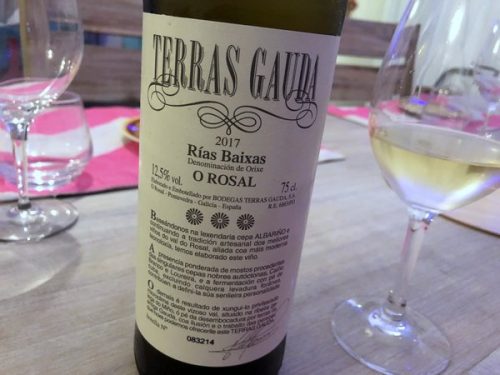
Albariño series (3) Terras Gauda O Rosal 2017 Rías Baixas, Spain

Technically, I shouldn’t be including this wine in my series because it’s a blend, in this case of 70% Albariño, 20% Caiño and 10% Loureiro. Stainless steel fermented with vineyard yeasts carrying out the fermentation, this is a slightly richer style (O Rosal is a warmer subregion in Rias Baixas running along the border with Portugal), but it still has a beautiful crispness. This is a really stylish wine, and it’s remarkable to see this quality in a 1.5 million bottle production run.

Terras Gauda O Rosal 2017 Rías Baixas, Spain
12.5% alcohol. Tight and crisp, but also with some generosity and tropical fruit notes in the background. There’s lovely grapefruit and lemon citrus character with zippy acidity. Really bright and with nice intensity and a hint of pithiness. Youthful and taut with a beautifully expressive personality. This has lots of layers to it. 93/100

ALBARIÑO

  1. Eulogio Pomares Parcelarios (I) Carralcoba Albariño 2015 Rias Baixas, Spain
  2. Granbazán Etiqueta Ámbar 2016 Rías Baixas, Spain
  3. Terras Gauda O Rosal 2017 Rías Baixas, Spain


from Jamie Goode’s wine blog http://www.wineanorak.com:/wineblog/spain/albarino-series-3-terras-gauda-o-rosal-2017-rias-baixas-spain

For Fine Wine Investment opportunities check out Twelve by Seventy Five: http://www.twelve-by-seventy-five.com/

from
https://twelvebyseventyfive.tumblr.com/post/173874401792

Thursday, May 10, 2018

The importance of the stuff around wine, with reference to West Ham United

It’s not just about a liquid in a bottle. The stuff around it matters more than we realise.

The BBC recently put together a short film about the effect on fans of moving a football (soccer) team from an old, traditional stadium to a new one. The club in question is West Ham United, and two years ago they moved from the Boleyn Ground (known commonly as Upton Park) to the Olympic Stadium in Stratford. While the move from an old, cramped 37000 capacity stadium to a brand new 57000 seater ground with modern facilities might seem to be a bit of a no-brainer, according to the fans interviewed it has been a largely negative transition.

The verdict on West Ham’s stadium move: dream or nightmare

At the old stadium you were very close to the pitch, and the atmosphere was remarkable – there’s something about being close to the play that draws you in as a fan. The new stadium (the Olympic Stadium in Stratford) was built for athletics, and so has a running track around the edge of the pitch, distancing fans from the action.

The old stadium was in an urban setting, surrounded by houses and local businesses; the new one is in its own dedicated site, next door to a large shopping centre. What has been lost? Heritage; continuity with the past; authenticity. What has been gained? A larger capacity and a modern facility, but at the cost of the soul of the club. If it were just about the football, watching two teams of skilled, highly paid athletes compete, then there would be no issue with the relocation. But supporting a football club is actually only partly about what takes place on the pitch. Famous Liverpool manager Bill Shankly once said: ‘Some people think football is a matter of life and death. I don’t like that attitude. I can assure them it is much more serious than that.’ He got it.

This all relates to wine. If we strip wine of its heritage, its authenticity, and its stories, then what do we have left? A delicious alcoholic drink? There is so much to wine that depends upon the stuff around wine, and this matters more than we can realize. We should be wary of the unintended consequences of too much demystifying of wine, and too much stripping away its complexity. This complexity is part of its allure. We need to make wine accessible to newcomers, for sure, but let’s do this carefully and intelligently. I’m sure that whoever decided it was wise to move West Ham to a new stadium did it with pure motivations: more fans, more money; nicer stadium, more accessible to new fans. But they didn’t anticipate some of the consequences of this change, nor the importance of tradition, heritage, and being rooted in the local community to the loyal fans who are the heart of any club.

As we discuss and try to enable the future of wine, let’s try not to make the same mistake.


from Jamie Goode’s wine blog http://www.wineanorak.com:/wineblog/uncategorized/the-importance-of-the-stuff-around-wine-with-reference-to-west-ham-united

For Fine Wine Investment opportunities check out Twelve by Seventy Five: http://www.twelve-by-seventy-five.com/

from
https://twelvebyseventyfive.tumblr.com/post/173775775347

Some white wine highlights from Bibendum

These were some of the white wine highlights from a recent portfolio tasting with major UK agency business Bibendum.

Litmus Element 20 2013 Surrey, England
This is lovely: really expressive with a subtly nutty edge to the grapefruit and pear fruit, together with some citrus brightness. Complex and beguiling with a subtle hint of green and refined fruity notes, showing a hint of herb and cabbage in the background, but in a nice complexing way. The nutty finish lets it down slightly, but still, this is a really impressive effort. 90/100

Alvear Marques de la Sierra Dry PX  2016 Andalucia, Spain
Made from Pedro Ximenez. Very interesting with fennel, nuts, herbs and apples on the nose. The palate is herby and nutty with some lemons and pears. Has subtle oxidative characters that look really nice. A really compelling wine. 92/100

Weingut Peth-Wetz Unfiltered Riesling 2016 Rheinhessen, Germany
This is so pretty. Grapefruit and lemons, with some pear and melon, too. Has lovely weight and just a hint of sweetness. Delicate but with plenty of flavour. 92/100

Johann Baptist Schafer Pittermannchen Riesling Kabinett 2016 Nahe, Germany
Slightly minty, limey nose. Fresh but rich on the palate with some melony sweetness and bright citrus, too. Lively limey finish. Quite sweet. 90/100

Rieslingfreak No5 2017  Clare Valley, Australia
Balanced and refined with sweet citrus fruit. Has a hint of sweetness and a lovely seamless mouthfeel, without any untoward grippiness. Lemon and lime on the finish: still quite primary but with good potential. 91/100

Jean Perrier Chignin Bergeron Fleur de Roussanne 2016 Savoie, France
Beautiful nose of ripe pears, apples and nuts, with a touch of hay. The palate is supple with some cabbage hints under the slightly waxy pear fruit, together with notes of apricot and toast. Complex and subtly oxidative, with lovely persistence in the mouth. 92/100

Alphonse Mellot, Sancerre Blanc La Moussiere 2016 Loire, France
Lively aromatic nose, showing fine citrus fruits and subtle grassiness. The palate has real presence with spice, apples, pears and even a touch of honey. The finish is long and mineral with finely wrought green hints. Very stylish. 92/100

Kreydenweiss Lerchenberg Pinot Gris 2016 Alsace, France
Complex, oxidative nose of baked apple, honey and ripe pear fruit. The palate is lively and spicy with a slight vinegary edge to the sweet apple and table grape fruit. It’s an oxidative style, and perhaps is pushing it a bit too far. 88/100

Millton Te Arai Chenin Blanc 2016 Gisborne, New Zealand
Intense and lively with a subtle creamy edge to the sweet citrus and pear fruit, with really zingy, vital, mineral acidity. Faint hints of cheese and straw, too. Lovely complexity here. 92/100

Domaine Grand Veneur Chateauneuf du Pape Blanc Le Miocene 2016 Rhone, France
A blend of Claudette and Roussanne. This has freshness and poise, with hints of apricot richness alongside pure pear and citrus fruit. There’s nice concentration and freshness, with a faint trace of bread and wheat, with finely wrought fruit complexity. 93/100


from Jamie Goode’s wine blog http://www.wineanorak.com:/wineblog/uncategorized/some-white-wine-highlights-from-bibendum

For Fine Wine Investment opportunities check out Twelve by Seventy Five: http://www.twelve-by-seventy-five.com/

from
https://twelvebyseventyfive.tumblr.com/post/173760548107

Monday, May 7, 2018

J Bouchon Granito Semillon 2016 Maule, Chile

This is a remarkable wine. I tasted it when Tim Atkin brought it along to the International Wine Challenge one morning: he’d opened it the previous evening, and as it was one of his favourite Chilean whites he wanted to share it. I’m glad he did, because it is remarkable. Semillon is a grape that deserves more attention, and Chile needs to be making more wines like these.

J Bouchon Granito Semillon 2016 Maule, Chile
This is from 70 year old vines close to the ocean, grown in granitic soils in Maule. Intense, nutty and waxy with lemony fruit. Very precise and mineral with a hint of wax and herbs. This has such a long lemony finish. Real intensity and focus here, with great complexity. Profound stuff. 94/100


from Jamie Goode’s wine blog http://www.wineanorak.com:/wineblog/semillon/j-bouchon-granito-semillon-2016-maule-chile

For Fine Wine Investment opportunities check out Twelve by Seventy Five: http://www.twelve-by-seventy-five.com/

from
https://twelvebyseventyfive.tumblr.com/post/173664573527

Saturday, May 5, 2018

Dinner at Roots, Lyttelton: one of New Zealand’s great foodie destinations

While we were down in Christchurch, it was great to be able to visit Roots in Lyttelton. It’s a much-talked about New Zealand foodie destination and the only restaurant outside Auckland to be awarded three hats by Cuisine (and one of only eight to hit this level). There’s no menu: you just get fed. It’s incredibly intricate cooking, full of detail and beautifully constructed layers of flavour. We opted for the eight course menu (five and 12 course options are also available).

Things kick off with some surprises before the succession of courses, including Te Kouma oyster slightly heated with rocket puree, lemon juice and dill, and a little corn cornetto, with corn masa, corn custard, charred corn and rosemary flowers.

Then it was into a succession of beautifully executed dishes, including the following.

Sheep cheese, pear, fennel compressed in saffron, black walnut, pickled fennel pollen

Pan seared squid with carrot and coconut sauce, carrot pieces pickled in coconut vinegar, cooked carrot, coriander. The squid was cut into fine ribbons, a bit like pasta.

Snapper, chicken broth emulsion, crispy chicken skin, scampi garum fermented with koji, puma. This was a cracking dish!

Smoked eel (wild-caught short-finned eel smoked with native woods), shiitake, pickled onion, caramelized onion and eel broth, eel and porcini, parsley. Lots of savoury deliciousness here.

Lamb belly (sous vide 11 h at 72 C), spinach puree and powder, cured lamb fat, lemon segments, lamb jus. Essence of lamb: very rich and flavourful.

Citrus jelly cleanser with citrus and yuzu curd, fresh yuzu zest, citrus nitro drops

Almond sorbet, quince cooked in calcium, quince and broad bean miso paste, toasted almond and dehydrated chocolate mousse, quince skin foam.

We had a few wines. The wine list isn’t huge, consisting exclusively of New Zealand wines. But they are interesting ones and well chosen. We’d have liked the staff to actually have tried more of the wines: after all the list is short. But in New Zealand there doesn’t seem to be a culture of the sommelier tasting the guests’ wines. Black Estate Home Chardonnay 2016 was really good, but our second bottle – the Millton Clos Ste Anne Viognier 2013 was very oxidative and not as good as it should have been. We mentioned this but rather than show a willingness to take the bottle back, they tried to tell us how good it was (we didn’t press…and just drank a rather disappointing wine). Things perked up with the fab Silver Wing Pinot Noir 2014 from Waipara, which was a sommelier recommendation and a very good one. This was deliciously detailed Pinot. And then we finished off with the excellent Brookfields Sun Dried Malbec from Hawke’s Bay, which was fresh and focused.

This was our bill (for five). It’s not a cheap meal, but the level of the cooking here is quite incredible. Aside from the issue with the Millton Viognier, we were really well looked after, and I’d really recommend Roots as a destination experience.


from Jamie Goode’s wine blog http://www.wineanorak.com:/wineblog/new-zealand/dinner-at-roots-lyttelton-one-of-new-zealands-great-foodie-destinations

For Fine Wine Investment opportunities check out Twelve by Seventy Five: http://www.twelve-by-seventy-five.com/

from
https://twelvebyseventyfive.tumblr.com/post/173617471232

Wednesday, May 2, 2018

The wines of Lismore, Greyton, South Africa

Samantha O’Keefe, Lismore

Samantha O’Keefe must be pretty tough. She has a spectacular wine farm in the middle of nowhere, and she’s been running it pretty much single-handedly since the beginning, as well as being a single mum to two boys. And financially, this has not been the easiest of rides, either, with fluctuating yields plus the cashflow hungry nature of the wine business. In 2010, drought hammered the vines and there was hardly any crop. But on the flip side, this stress has had a positive effect, in that now the vines, which are approaching middle age, are much better able to deal with drought.

The farm in question is in Greyton, and there are no other vineyards nearby. When you see the soils and aspects here, though, you realize the appeal of this place: these are bony vineyard soils that look ideal for high quality viticulture.

Chardonnay, almost ready

She bought the farm in 2003, and began planting in 2004. Currently, there are 14.5 hectares, but there’s the potential to take this to 25 ha with further development. Initially, all the Lismore wines came from the property, but for the last couple of vintage she has been buying in grapes from other areas such as Stanford and Elgin, in order to meet demand for some of the more successful varieties. This move was prompted by the 2015 vintage, when Samantha’s 2.5 hectares of Syrah yielded just 1200 litres.

A new winery was built in 2016 that was up and running for the 2017 vintage. It’s a functional modern space. There are the usual oak barrels and tanks, but also some concrete and plastic eggs. Samantha points out that for the Viognier, the plastic eggs result in wines that are so perfumed it’s as if someone has added an extract to it. ‘It’s crazy,’ she says. ‘It would be over the top to bottle them on their own.’ But the wines in the concrete eggs are less exotic, and work well in the blend.

Barrel Fermented Sauvignon Blanc 2016 Cape South Coast, South Africa
This has 30% of fruit from Stanford in it. Whole bunch pressed and settled. 300 and 500 litre barrels, 5% new oak. 20% in eggs. This is precise and textural with nice weight in the mouth. Rich pear fruit with some grapefruit and fennel. There’s a touch of blackcurrant in the mix, and nice acidity. The oak is present but really well integrated. Has some nice richness, but remains fresh. 93/100

Barrel Fermented Sauvignon Blanc 2017 Cape South Coast, South Africa
This is quite exotic with lovely ripe pear and melon fruit, with a hint of tangerine and marmalade, as well as crisp lemony acidity. There’s a nice green hint, too. Has real richness on the mid-palate. This is a beautiful textured wine with lovely weight in the mouth, as well as some exotic fruit characters. 94/100

Lismore Chardonnay 2015 Greyton, South Africa
Older oak. Powerful and spicy with nice acidity. Mealy with some lemony fruit and a hint of pineapple. Lots of flavour here with great concentration (from thick skins and tiny bunches). Some toast and nut, but the fruit is dominant here. 92/100

Lismore The Age of Grace Viognier 2017 Cape South Coast, South Africa
So pretty! This is Elgin fruit, handled oxidatively and barrel fermented. Lovely apricot and pear fruit with a floral twist and lovely spicy citrus notes framing the fruit. Great concentration. Just so delicious and varietally true. 93/100

Lismore Reserve Chardonnay 2016 Greyton, South Africa
Large format new oak used here (40%, 2 out of 5 500 litre barrels). Beautifully expressive with lime and pear notes, as well as some nuts and spice. There’s a mealy edge, and even some minty freshness. Lovely acidity here: it has texture but also punchy acidity. Concentrated and fine. 94/100

Lismore Reserve Chardonnay 2017 Greyton, South Africa
35% new oak. Mealy, pithy and lively with intense lime and pear fruit, as well as some exotic pineapple notes. Nicely rounded with a spicy edge, and a juicy tangerine note on the finish. Very stylish. 94/100

Lismore Pinot Noir 2017 Cape South Coast, South Africa
30% Elgin, 70% Stanford. 30% whole bunch, 25% new oak. Much better than the debut 2016. Sweetly aromatic with floral red cherries and some sappy green hints. The palate is vivid with some pepper and lime hints and nice structure. It’s pretty and seductive but there’s also some savoury seriousness. Supple and intense with a nice silky texture contrasting with the grippy, spicy savoury character. 94/100

Lismore Syrah 2016 Cape South Coast, South Africa
50% Elgin, 50% estate, 40% whole bunch. Fresh, vivid and distinctive with some pepper and menthol as well as vivid raspberry and red cherry fruit. There’s a savoury twist here, and some olive notes, but the dominant theme is bright fruit. 91/100

Lismore Syrah 2016 Cape South Coast, South Africa (tank sample, final blend)
50% Elgin, 50% estate, 40% whole bunch. This is lovely: ripe, generous blackberry and raspberry fruit. Supple and fresh with nice peppery hints and a bit of grip. Pure, floral and expressive. Has some silkiness as well as a bit of wildness. 93/100

Lismore Estate Reserve Syrah 2017 Greyton, South Africa
Really minty and peppery with floral red berries and cherries. Supple and lively on the palate with fresh acidity and some tart raspberry notes. Really high acid here (pH 3.2) with distinctive fruit, some pepper and some meaty hints. Very distinctive. 93/100

Find these wines with wine-searcher.com


from Jamie Goode’s wine blog http://www.wineanorak.com:/wineblog/south-africa/the-wines-of-lismore-greyton-south-africa

For Fine Wine Investment opportunities check out Twelve by Seventy Five: http://www.twelve-by-seventy-five.com/

from
https://twelvebyseventyfive.tumblr.com/post/173504932512

Tuesday, May 1, 2018

An amazing tasting of old Piedmont wines

On my last trio to South Africa I took a break from vintage and headed to the Swartland to catch up with buddies Ryan Mostert and Sam Suddons, who make the Smiley and Terracura wines. The occasion was an incredible tasting of old Piedmont wines, gathered together by Michael Roets. This was a special tasting, and it attracted quite a crowd including Swartland winemaking royalty.

These are my notes on the wines, most of which had aged beautifully. It’s hard to overstate how thrilling a tasting this was. With old wines, sometimes you need to give them the benefit of the doubt and be kind to them. There was no need to do that here.

Cantina Prudottori Carema Nebbiolo di Carema 1970 Piedmont, Italy
Complex and intense with some malty notes on the nose. Really refined on the palate with freshness and some bright red cherry notes. This is so refined and complex. Fine and fresh with nice detail. 94/100

Prunotto Barbaresco 1961 Piedmont, Italy
Elegant, fine and expressive with some richness on the palate. Such a silky texture, with a detailed, fine palate. Some subtle malty hints. So elegant and fine with prettiness and a smooth personality. 95/100

Produtti del Barbaresco Barbaresco 1967 Piedmont, Italy
This is the ‘normale’: it was the first year that single-vineyard wines were made and so this is the Barbaresco without the single vineyard components in it. There’s a hint of mint here and fresh, slightly sappy raspberry and cherry fruit. So ethereal with a sappiness and lovely raspberry and herb notes. Fresh and textural with definition. Supple and expressive. 96/100

Produtti del Barbaresco Martinenga Barbaresco 1967 Piedmont, Italy
So silky and fine with pure, fresh, sweet cherry and raspberry fruit, as well as some subtle dried herbs. Lively and focused with real elegance. Supple and delicious with a nervous sort of character. 96/100

Produtti del Barbaresco Moccagatta Barbaresco 1967 Piedmont, Italy
This is alas a tiny bit musty, but under the taint you can get some supple red cherry fruit with some plums and a hint of mint. Such a shame.

Produtti del Barbaresco Rabaya Barbaresco 1967 Piedmont, Italy
Spicy with lovely grip: cherries, herbs and spice. Nicely structured. Fine-grained and grippy with lovely weight and a fresh finish. Another thrilling wine. 96/100

Cavalotto Barolo 1970 Piedmont, Italy
Very fresh on the nose with some dried herbs, red cherries and notes of tar and spice. Lovely purity here with a bit of pith and damson character. Silky and fine with red cherry fruit still there in the mix. Still has real focus and purity. 97/100

Brezza Barolo 1958 Piedmont, Italy
Spicy, dense and tannic with nice focus to the cherry and plum notes. So refined with lovely spiciness under the sweet cherry and plum fruit. Great structure and acidity with nice cherry and plum notes. 97/100

Burlotto Verduno Barolo 1967 Piedmont, Italy
Still deep coloured. So refined with lovely perfume on the nose: black cherries, fine herbs and subtle tar notes. Lovely elegance to this wine with some density and nice fine cherries, herbs and plums. Remarkable stuff. 98/100


from Jamie Goode’s wine blog http://www.wineanorak.com:/wineblog/piedmont/an-amazing-tasting-of-old-piedmont-wines

For Fine Wine Investment opportunities check out Twelve by Seventy Five: http://www.twelve-by-seventy-five.com/

from
https://twelvebyseventyfive.tumblr.com/post/173469422912