Thursday, August 30, 2018

34 hours in New York, eating and drinking well, part 2

Saturday morning comes to soon. We’re up early to meet with Abe Schoener, who’s taking us to Brooklyn to visit an urban winery that he’s involved with: Red Hook. He meets us outside our hotel in Chinatown and in the taxi he explains about the project.

The tasting bar at Red Hook winery

The focus is wines from New York State – Finger Lakes and Long Island. And there are three winemakers involved. There’s the singular Abe, who prefers a natural approach, then Bob Foley, who is more conventional, and finally Christopher Nicholson who is the resident winemaker.

We arrive to find a stunning 19th century redbrick warehouse that has been renovated and converted, and which now houses a number of small businesses in addition to the Red Hook winery.

Christopher and Abe

We spend a lovely morning tasting and talking. We taste through a lot of barrels, and there’s quite intense discussion of the wines. Abe and Christopher are both thinkers and have a lovely sensibility when it comes to wine. We then taste some bottled wine. These wines are really good, although now is not the place for a full write up (this will come when I tell the story of New York State wine). But a big shout out to Christopher’s Mattabella Vineyard Chardonnay 2014, and Abe’s La Géante 2016 and his Moraine Reserve 2014.

Then it’s off to lunch, and Chrissy and I hitch a lift with Christopher in his ancient Volvo through torrential rain to Frankies 457 Spuntino. This place is deceptively simple: on the face of it, it’s an Italian/American joint. Nothing too flash or exceptional. But under the hood, this is a serious establishment that performs at a very high level, doing things that sound quite simple very well indeed. And it has a great wine list, too.

We ate very well, and washed it down with a smart wine.

Giuseppe Rinaldi Rosae Vino Rosso 2014 Piedmont, Italy
12.5% alcohol. This is a varietal Ruché. Juicy, bright and lively with a little bit of lift, and some spicy, slightly animal notes hiding under the supple, sweet, pure red and black cherry fruit, Lively, poised and refreshing with some spicy interest. A little wild in a good way. 91/100

Tørst

After lunch, with a little time to kill, we wandered through the slightly ragged but vital streets of Brooklyn, ending up at a really smart beer bar. Tørst is probably the perfect modern beer bar, and mid afternoon on a rainy Saturday it was bursting at the seams. You can eat well here but we came just to drink, and they have 21 taps with a great selection of craft beer. Seriously, the selection here was amazing, and if I didn’t have two dinners to get to (the Four Horsemen and Racines, I know, a little excessive, but both absolutely essential) I’d have sampled more than just two. (To be continued.)


from Jamie Goode’s wine blog http://www.wineanorak.com:/wineblog/restaurants/34-hours-in-new-york-eating-and-drinking-well-part-2

For Fine Wine Investment opportunities check out Twelve by Seventy Five: http://www.twelve-by-seventy-five.com/

from
https://twelvebyseventyfive.tumblr.com/post/177564594112

Wednesday, August 29, 2018

34 hours in New York, eating and drinking well, part 1

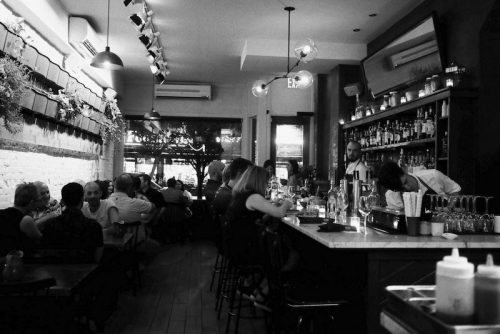
Olmsted, Brooklyn

After exploring the Finger Lakes and Long Island wine regions, Christina Rasmussen and I had just a short time in the city of New York before heading back to the UK. I hadn’t been to New York since 1998, and this was Christina’s first visit. We arrived in New York at 7 pm Friday and departed 5 am Sunday. By my reckoning that’s 34 hours in the city. Our goal? To eat and drink well, exploring some of the top wine spots, with a little beer thrown in too. It was a fabulous hectic mess of a time and I can’t wait to get back.

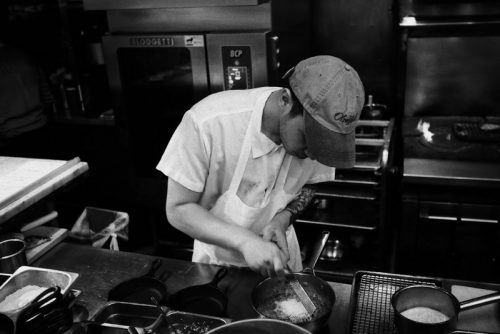
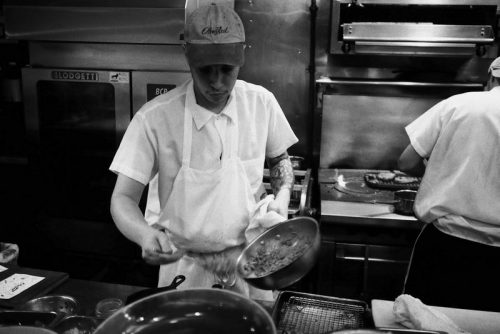
Olmsted in Brooklyn was Friday night’s first stop. This is a 50-cover neighbourhood restaurant in Prospect Heights, from chef/owner Greg Baxtrom. It’s a lovely space with an open kitchen and a relaxed but trendy feel. Arriving early, we had a drink outside in the bar/garden area, where some of the produce used in the kitchen is grown. Comically, the couple sharing the table with us were offered the comped fizz that was meant for us, which caused no end of confusion. [Explanation: we were comped because a friend from a serious London restaurant had made the booking, and the Olmsted staff thought we worked with said restaurant, another cause for hilarity.]

Olmsted is described as a neighbourhood restaurant, but it’s becoming quite famous, simply because the cooking is excellent (inventive and utterly delicious), and it’s very modestly priced considering how good it is. The wine list is compact and not-too-predictable, and we chose something a bit unusual: the first time I’ve tried a wine from Saale-Unstrut, the most northerly of Germany’s wine regions.

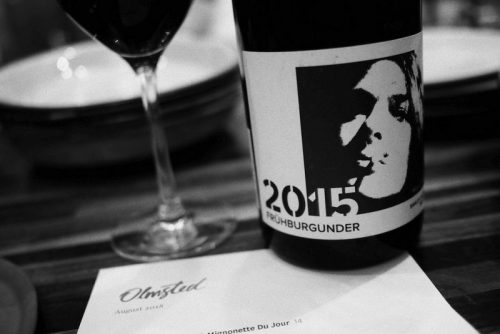
Herre Fray Lüttmer Frühburgunder 2015 Saale-Unstrut, Germany
This is from the most northerly wine region in Germany, at 51 degrees latitude, southwest of Berlin. Just 75 cases of this wine are made, from half a hectare. I’m very interested in Frühburgunder (also knows as Pinot Noir Precocé), which makes really nice wines in the Ahr Valley, and this example is lovely, too. It’s fresh and bright with raspberry and cherry fruit, and a slight pithy edge. This has a cool-climate feel to it with subtle pepper hints and good acidity. 92/100

We dined well on small plates, watching the busy kitchen working hard. One of the signature dishes here is watermelon sushi, and this lived up to its reputation. So, Olmsted? A hit, and I’d be back in a flash.

The Ten Bells

We’d started early, so it wasn’t too late to go somewhere else. Next stop was The Ten Bells, which describes itself as a tapas and natural wine bar. What’s not to like?

This was bustling on a Friday night, but we found some space and spent ages browsing the wine list. It’s a great wine list, and in the end we opted for something rare and unicorny.

Jean-Pierre Rietsch Pas à Pas Savagnin Rosé NV Alsace
From the Heiligenstein village, this is made in a solera system. In 2011 Jean-Pierre Reitsch had a fermentation of this rare variety that stuck at 15 g/l sugar, so the next year he refreshed it with new wine, and has kept on refreshing it since. It’s then periodically bottled with no added sulphites. Some oxidative apple notes together with textured pear fruit, a hint of raisin, and lovely grainy structure. Has a bit of saltiness with grainy, supple, sappy structure, as well as lemon, pear and spice on the finish. Such complexity. 94/100 ($74 on the list) (There’s a great write-up on Reitsch here at Wine Terroirs).

Ten Bells was dark, atmospheric and utterly charming. Another hit. (To be continued…)


from Jamie Goode’s wine blog http://www.wineanorak.com:/wineblog/natural-wine/34-hours-in-new-york-eating-and-drinking-well-part-1

For Fine Wine Investment opportunities check out Twelve by Seventy Five: http://www.twelve-by-seventy-five.com/

from
https://twelvebyseventyfive.tumblr.com/post/177527865512

Sunday, August 26, 2018

Some natural wines with the Grape Witches

A few weeks ago I was invited to host a tasting of natural/authentic wine in Toronto with Nicole and Krysta, the Grape Witches. It was for local somms and trade and was a sell out. The wines were lovely: here are my notes.

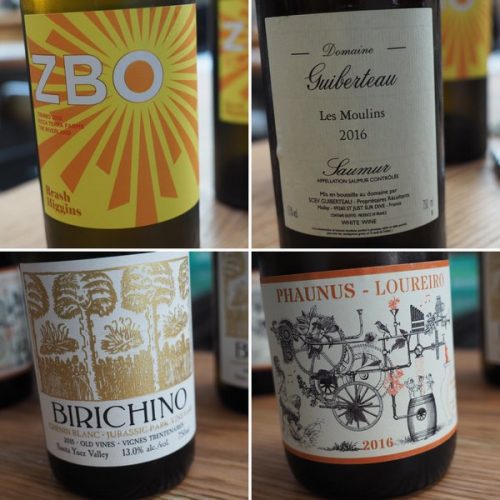
Guiberteau Les Moulins Saumur 2016 Loire, France
13% alcohol. Tight and complex with lively apple and citrus fruit. Really linear with high acidity and some appley, spicy complexity. Vivid and expressive with real zing. Distinctive and bracing. 92/100

Brash Higgins ZBO Zibibbo 2016 Riverland, Australia
From Ricca Terra Farms, this is left on skins for 150 days in amphorae. Complex and aromatic with lovely grape, pear and orange peel characters. Lively and exotic with freshness and depth, and a slightly pithy finish. Pure, compelling and delicious. 93/100

Birichino Old Vines Chenin Blanc Jurassic Park Vineyard 2015 Santa Ynez Valley, California
13% alcohol. 37 year old vines in Calcareous soils. 9 barrels produced. Linear and nicely spicy with lovely apple, pear and citrus fruit. Pure with nice fine-grained structure. Lovely texture and mouthfeel: a really complete wine with depth and harmony. 93/100

Phanus Loureiro 2016 Vinho Verde, Portugal
This is made in clay amphorae lined with beeswax. Deep gold in colour. Complex and intense with keen acidity under some citrus and pear fruit with a lively spiciness and an earthy, stony edge from the terracotta. Quite structured wit a grippy finish. Lively stuff that’s thought-provoking and delicious. I’m really impressed by this vintage. 94/100

Envinate Lousas Vinas de Aldea 2016 Ribeira Sacra, Spain
Supple, fine and expressive with lovely detailed, peppery cherry and raspberry fruit with a lovely smooth structure and a bit of grainy grip under the silky, sweet fruit. Compelling and vital, combining alluring fruit with complex texture and structure, and a slight sour cherry finish. There’s a very faint buscuitty edge here under the fruit. 95/100

Savage The Girl Next Door Syrah 2015 Cape Peninsula, South Africa
12.5% alcohol. Beautifully floral nose shows red cherries and some peppery spice. The palate is fresh, silky textured and nicely structured with midweight cherry and plum fruit and some fine supporting peppery spiciness. Seductive, elegant and fine: quite thrilling. 95/100

Jean-Claude Lapalu Beaujolais Villages 2017
Fresh and fine-grained with nice stony structure under the sweet cherry and plum fruit. Has lovely freshness and concentration with a bit of sour cherry on the finish. Benchmark Beaujolais with nice purity. Chilled down a bit this is so smashable, but has some seriousness, too. 93/100

Gut Oggau Josephine Rot 2015 Weinland, Austria
This is incredibly deeply coloured, and bustles with rich flavours of sour cherries, raspberries and blackcurrant. Grippy, peppery and edgy, with good structure and acidity. Very interesting, with some mineral reductive hints and just a little wildness. 93/100

Herve Souhaut La Souteronne 2016 Vin de France
12% alcohol. Juicy, lively, a bit spicy and with nice grainy, stony structure under the sweet cherry and plum fruit. Nice grip with a lovely drinkability. Some smoky, meaty notes adding interest, too. Lovely weight, with a smidgeon of natural wildness. This is smashable. 92/100

Find these wines with wine-searcher.com


from Jamie Goode’s wine blog http://www.wineanorak.com:/wineblog/natural-wine/some-natural-wines-with-the-grape-witches

For Fine Wine Investment opportunities check out Twelve by Seventy Five: http://www.twelve-by-seventy-five.com/

from
https://twelvebyseventyfive.tumblr.com/post/177436824972

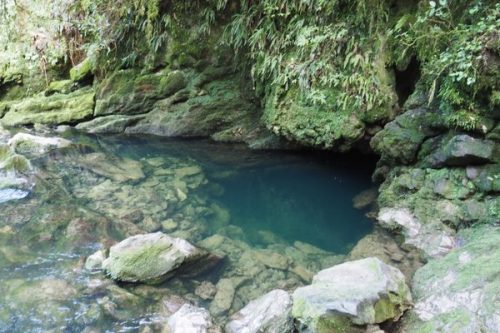
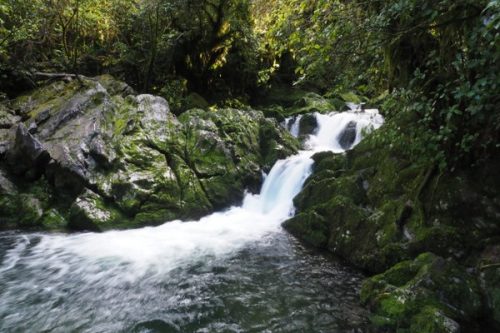
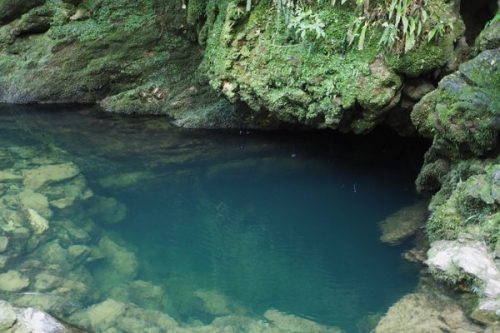
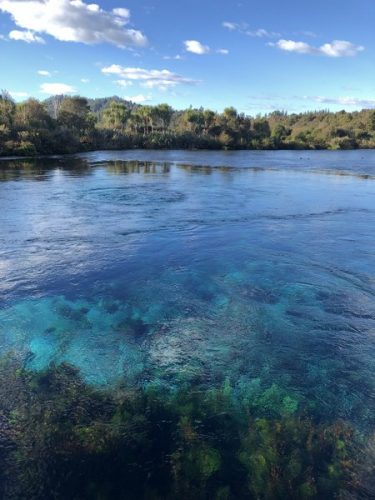
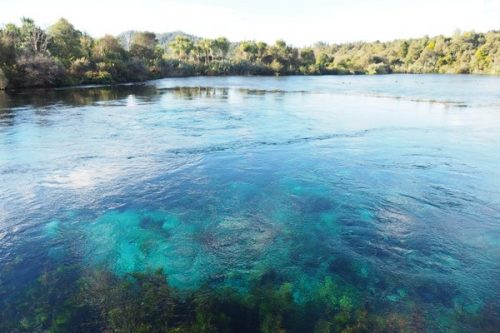
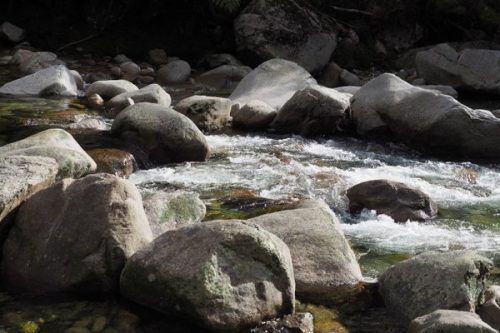
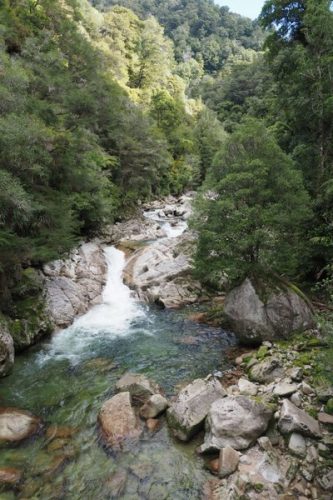
Golden Bay: Pupu springs, the source of the Riwaka and the Wainui Falls

I just spent a weekend in Golden Bay, which is part of the Abel Tasman region at the top of New Zealand’s South Island. Here’s a short film of the highlights:


It’s a beautiful part of the country, and at this time of year it’s relatively uncrowded. There were three elements that really stood out.

The first is the source (or resurgence if you want to be technical) of the Rikawa river, as it comes out from Takaka Hill. This is a beautiful place with spiritual significance. The water emerging from the hill is incredibly pure.

Then the remarkable Te Waikoropupū Springs (known as Pupu Springs). These are the largest freshwater springs in New Zealand, and the largest cold water springs in the Southern Hemisphere. The water here is incredibly pure, with a visibility measured at 63 metres.

And the Wainui Falls. Getting to the waterfall involves a spectacular 40 minute walk including crossing a narrow suspension bridge. They were in full flow.


from Jamie Goode’s wine blog http://www.wineanorak.com:/wineblog/non-wine-related/golden-bay-pupu-springs-the-source-of-the-riwaka-and-the-wainui-falls

For Fine Wine Investment opportunities check out Twelve by Seventy Five: http://www.twelve-by-seventy-five.com/

from
https://twelvebyseventyfive.tumblr.com/post/177434711177

Saturday, August 25, 2018

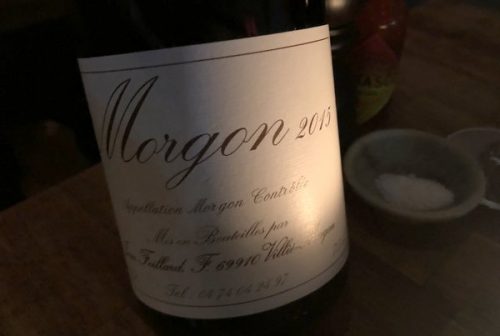
Gamay 41, Jean Foillard Morgon 2015

I have been nervous about the 2015s from Beaujolais. At the time this was hailed as an amazing vintage, but in retrospect it was just a bit too ‘good’: too ripe and with many of the wines tasting a bit heavy and atypical, and a lot of them showing brett.

This was a nice surprise. The regular Morgon from Jean Foillard (not the Côte de Py or Corcelette), spotted on a list on new Nelson (NZ) restaurant Arden (which is really good). We ordered it with a bit of trepidation, but it turned out to be really clean, textured, fruit forward and lovely.

Jean Foillard Morgon 2015 Beaujolais
13.5% alcohol. From a warm vintage, this is ripe, sweet and floral with some nice grippy tannins under the sweet cherry and berry fruits. It’s really pure and dense with sweet fruit and a nice graininess. Lovely grip here. Essence of ripe Gamay. 93/100

Find these wines with wine-searcher.com


from Jamie Goode’s wine blog http://www.wineanorak.com:/wineblog/beaujolais/gamay-41-jean-foillard-morgon-2015

For Fine Wine Investment opportunities check out Twelve by Seventy Five: http://www.twelve-by-seventy-five.com/

from
https://twelvebyseventyfive.tumblr.com/post/177401120237

Friday, August 24, 2018

Latest releases from Centre Loire star Pascal Jolivet: Sancerre and Pouilly-Fumé

Domaine Pascal Jolivet is one of the most significant producers in the centre Loire, making some impressive wines from the Sancerre and Pouilly-Fumé appellations.

As a family, the Jolivets entered the wine business in the 1920s, working as winemakers and owning a wine merchant. In 1982, they started a distribution business, and young Pascal Jolivet, then aged 22, was responsible for selling Champagne Pommery.

In 1987 he began a negociant operation under his own name, building a winery in 1990. Pascal then began buying vineyards. First, in 1993 he acquired 6 hectares in Sancerre, and then two years later he bought 6.5 hectres in Pouilly-Fumé. Eventually, the domaine reached its current size of 95 hectares. This is enough for about 80% of Jolivet’s needs, and the rest is sourced from growers. There’s also a label called ‘Attitude’, which is taken from vineyards in Touraine.

Since 2013, winemaking has been in the hands of Valentina Buoso. Natural ferments are the norm here, and the wines are really impressive.

Pascal Jolivet Attitude Sauvignon Blanc 2017 Loire Valley, France
From 60 hectares. 12.5% alcohol. Sweetly aromatic on the nose. Passionfruit, citrus and pear notes. Quite seamless with nice concentration of fleshy fruit, a hint of green, and a lovely grainy structure. Bright grapefruit notes on the margins. Textural and expressive. 89/100

Pascal Jolivet Sancerre 2017 Loire, France
Textured and fresh, with a slight pithy edge to the generous, smooth pear and citrus fruit. It’s ripe, hinting at some tropical notes, but it also has good balance and poise with a fine-grained spicy undercurrent. Satisfying stuff that has a nice smooth mouthfeel. 91/100

Pascal Jolivet Sancerre Clos du Roy 2017 Loire, France
There are very fine, subtle green herbal hints here: it’s beautifully focused with a stony, slightly chalky mineral streak and some grapefruit freshness. Nice texture and lovely acidity that really integrates well. A refined, expressive example of Sauvignon. 93/100

Pascal Jolivet Sancerre Les Caillottes 2017 Loire, France
This has a beautiful weight in the mouth, with a lively minerality framing the sweet pear and citrus fruit. It has both bass and treble, with some mandarin orange complementing the richer pear fruit notes. Lovely tingly acidity: really delicate, and fine and expressive. 93/100\

Pascal Jolivet Sancerre Le Chene Marchand 2017 Loire, France
Taut citrus fruit with a hint of green pepper. This has quite a dense mid-palate here with nice citrus density and a bit of grip. It’s smoky and mineral, too, and finishes with brisk acidity. Really nice freshness and weight to this wine which has quite a density to it. 92/100

Pascal Jolivet Sancerre Sauvage 2016 Loire, France
Complex and taut with some green pepper, wax and herb complexity, as well as concentrated citrus and pear fruit. There’s a lovely complexity and intensity to this wine. It’s still quite primary and taut with good acidity. Has potential for future development. 93/100

Pascal Jolivet Pouilly-Fumé 2017 Loire, France
This delivers a lot of pleasure. It has some fresh floral, passionfruit and elderflower notes, but also some green grassy hints, and a wonderful electric core of minerality and an acidity that fills the mouth without being harsh at all. It’s a really lovely, delicate but full flavoured expression of Sauvignon that conveys the place really well. 91/100

Pascal Jolivet Indigene Sauvignon Blanc 2016 Pouilly-Fumé Loire, France
This is a focused, fresh Pouilly-Fumé with compact, linear flavours of lemons, mandarin orange and nectarine, with a lovely chalky acidity. Fresh, stony and even a bit steely, there’s nice complexity here. Pure and quite focused, with a mineral finish. 93/100

Pascal Jolivet Pouilly-Fumé Terres Blanches 2017 Loire, France
Refined and nicely weighted with crisp citrus and pear fruit, with a lovely crystalline edge. There’s a lovely palate weight here with nice texture and fine spiciness. Mineral and expressive. Beautiful balance and tension here. Very fine. 93/100

Pascal Jolivet Sancerre Rosé 2017 Loire, France
Pale pink in colour, this is very fine, textured and smooth, with a slight sappiness and ripe pear and red cherry fruit. It has volume in the mouth and lovely pure fruit. Very stylish and assured. 91/100

Pascal Jolivet Sancerre Rouge La Bondenotte 2016 Loire, France
12.5% alcohol. Lovely floral cherry fruit nose: pure, slightly sappy and refined. The palate is supple, pure and juicy with bright red cherry fruit and hints of herbs and spice. Fresh with some savoury notes in the background. Lovely acidity here which integrates so well. A beautiful lighter expression of Pinot Noir with potential for development. 93/100

Pascal Jolivet Sauvage Pinot Noir 2012 Sancerre, Loire, France
This has incredible concentration for a Sancerre rouge, and it’s showing a bit of positive development at age 6. Smooth, mellow but quite dense, it shows sweet cherry and berry fruits with a hint of cedar oak playing a supporting role. The acid structure is interesting: it’s quite mineral, grainy and a bit chalky, with some herby warmth on the finish. A serious effort, showing depth and generosity but also focus. 93/100


from Jamie Goode’s wine blog http://www.wineanorak.com:/wineblog/loire/latest-releases-from-centre-loire-star-pascal-jolivet-sancerre-and-pouilly-fume

For Fine Wine Investment opportunities check out Twelve by Seventy Five: http://www.twelve-by-seventy-five.com/

from
https://twelvebyseventyfive.tumblr.com/post/177355714387

Tuesday, August 21, 2018

A pruning masterclass: cane-pruning Sauvignon in Marlborough

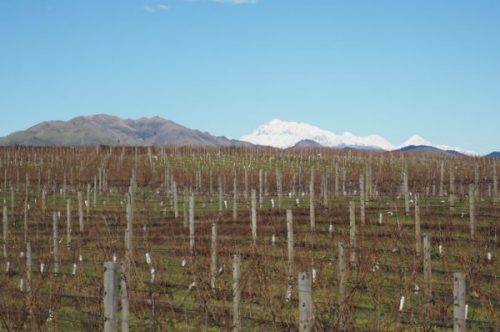
The Awatere: time to prune

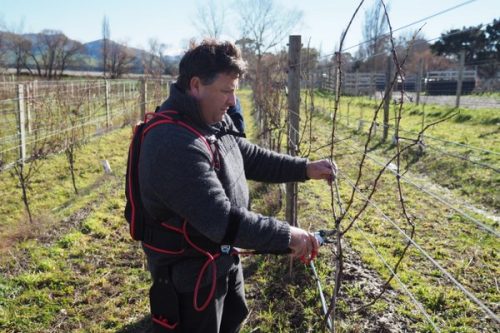
This morning Mike Eaton kindly took me out to a vineyard he’s working with in the Awatere Valley (Marlborough, New Zealand) to give a quick pruning masterclass.

Here’s the film – it’s quite long at 14 minutes, but it goes into detail about some of the decision-making process in pruning a vineyard.

In Marlborough, all the Sauvignon Blanc is cane pruned. When you consider that Sauvignon makes up 80% of the 25 000 hectares of vines in the region, that’s a lot of work. And finding labour is getting to be quite an issue. While harvest is now done by machine, you can’t get a machine to cane prune vines (although for spur pruning a machine can do most of the work, which is then tidied up by hand).

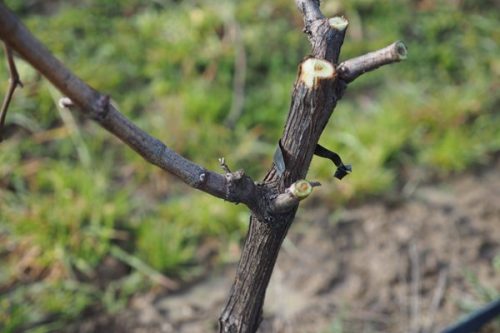
What is cane pruning? A cane is a shoot from the previous year, and the idea is to leave 2, 3 or 4 of these from the mass of canes left from last season’s growth. These are then tied down onto the fruiting wire(s), and each bud will produce a shoot, hopefully with a bunch or two of grapes on it. As well as leaving canes, good pruning leaves a couple of replacement spurs which will then bear the shoots in the right position for them to be next year’s canes.

Why cane pruning? It’s more complicated than spur pruning, which involves having two permanent arms (cordons) on each side of the vine trunk, from which a short spur of two or three buds is left at each node. But some varieties – notably Sauvignon – have low basal bud fruitfulness and don’t work well with spur pruning. Pinot doesn’t have this low basal bud fruitfulness, but spur pruning isn’t so good for it either because the first couple of buds typically produce low quality bunches, with uneven ripeness between them. So this is usually cane pruned in Marlborough, too.

A young vine pruned to two spurs and two canes

Some pruning tips:

  • You want the vine head height to be about a secateur’s length below the fruiting wire. Pruning choices that keep the head in the right place allow the canes to be tied down onto the fruiting wire nicely. But as the trunk grows the head rises a bit, so by the time the vine is ‘adult’ it will be a little higher. This is worth thinking about when choosing replacement spurs.
  • For young vines, aim to leave two spurs and two canes. This is Marlborough, so a lot of Sauvignon here will be three or four cane.
  • In the second year, it is sometimes OK to leave short spurs on last year’s cane in the absence of a suitable cane. This also helps keep the vine attached firmly to the wire.
  • In choosing canes, try to keep the head zone clear. And try to respect the sap flow of the vine by taking the canes and spurs from the outside, rather than coming back towards the head.
  • If you choose a spur above the cane, the spur won’t get the right sap flow, which will all go to the cane. The spur is only of use if it grows well the next year.
  • Ideally, take the canes from two-year-old wood.
  • Do any major cuts as early in the life of the vine as possible.
  • The first choice, especially in a young vine, should be the spurs. Choose well, and pruning will be a lot easier the next year.


from Jamie Goode’s wine blog http://www.wineanorak.com:/wineblog/wine-reviews/a-pruning-masterclass-cane-pruning-sauvignon-in-marlborough

For Fine Wine Investment opportunities check out Twelve by Seventy Five: http://www.twelve-by-seventy-five.com/

from
https://twelvebyseventyfive.tumblr.com/post/177261841192

New releases from Black Estate, North Canterbury, New Zealand

I’ve been following the wines of Black Estate for a while now, with interest. They farm organically and make wines in a lo-fi sort of way. This is interesting New Zealand, and these latest releases are really impressive.

Black Estate Home Chardonnay Young Vines 2017 North Canterbury, New Zealand
12.5% alcohol. 1 hectare block, 6172 vines/ha, sedimentary clay soils, whole-bunch pressed, vineyard-derived yeast. This is fresh, lively and intense with nice acidity supporting mealy, bready pear and citrus fruit. It’s not overly complex, but there’s a lovely purity and texture here. Very fine spiciness, too. A really beautiful, balanced expression of Chardonnay. 93/100

Black Estate Home Chardonnay 2017 North Canterbury, New Zealand
13% alcohol. From 5 hectares, established in 1994 and 2011, with some at low (1841 vines/ha) and some at high (6172 vines/ha) density, on sedimentary clay soils. Whole bunch pressed and vineyard-derived yeast. Complex and intense with keen acidity underpinning the bold peach, pear and citrus fruit. Nice weight and structure with really well integrated spicy oak character and some notes of bread and toast, but the lovely pure fruit is the driving force here. 94/100

Black Estate Home Pinot Noir 2016 North Canterbury, New Zealand
12.5% alcohol. From 1994 plantings, 4 hectares, 1841 vines/ha, wild ferment, 28 days on skins. A beautifully assured, complex, textural Pinot with warm, sweet cherry and plum fruit, with some nice savoury detail. There’s a subtle green sappiness underneath the smooth, fine-grained fruit. It’s fully ripe but also fresh and with nice integrated greenness. I really love the non-fruit complexity to this wine, and on the second day it’s even more compelling. 95/100

Black Estate Damsteep Pinot Noir 2016 North Canterbury, New Zealand
This has a real density to it. It’s firm and structured with black cherry and blackberry fruit, together with hints of spice and earth. It’s quite firm and structural with a bit of crunch to the fruit. Currently quite backward and dense, this has a distinctive personality. It needs a bit of time to resolve, and has a drying finish. I think this will turn out well, but don’t drink it now, because it’s at quite an awkward stage, in a reductive sulk. 93/100 (but potentially more with time)

Black Estate Damsteep Riesling 2017 North Canterbury, New Zealand
12% alcohol. From two hectares of Riesling, planted 1999, 4830 vines/ha, dense clay soils with some limestone. Wild ferment, extended lees contact in stainless steel and some old barrels. This is really nuanced and delicate, with lemon, tangerine and herb notes. Fine and expressive with nice texture and mouthfeel. Dry but not at all harsh: there’s a lovely weight to this wine. So fine and expressive. 93/100


from Jamie Goode’s wine blog http://www.wineanorak.com:/wineblog/new-zealand/new-releases-from-black-estate-north-canterbury-new-zealand

For Fine Wine Investment opportunities check out Twelve by Seventy Five: http://www.twelve-by-seventy-five.com/

from
https://twelvebyseventyfive.tumblr.com/post/177246291422

Sunday, August 19, 2018

Y2KX The Mystical Being 2017, a skin-contact Sauvignon from Marlborough

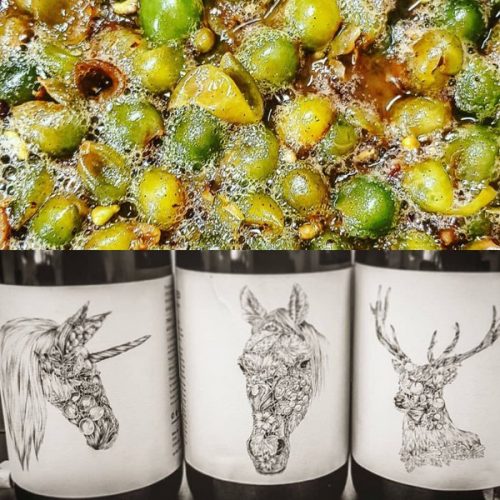
Skin fermenting Sauvignon (top), with the striking Y2KX labels (bottom). This particular wine is the unicorn on the left.

It was good to try this: a really characterful, interesting Sauvignon Blanc from Marlborough. It’s from Y2KX Collective, a virtual winery, who are specialising on making interesting wines. Alana Mcgettigan is the winemaker here, and the director and majority shareholder is Roger Kerrison, who’s worked widely in the drinks industry (previous stints include Renaissance Brewing, The Darling Wines and Grove Mill). This is their skin-contact Sauvignon, and it’s really good. The labels are designed by Phil Constantinesco, a French artist, and they are lovely.

Y2KX Collective The Mystical Being 2017 Marlborough, New Zealand
This is Sauvignon Blanc, with 60 days skin contact, then aged in used barrels for 9 months. Two picking bins were used for fermentation, one half whole bunch and half destemmed, the other all destemmed. This is the first vintage. This is really balanced, delicate and restrained for a skin contact wine with lovely grapefruit, citrus and pear fruit with some really attractive tropical fruit aromas, as well as a good lick of fennel. Good acidity and a little bit of structure in the mouth with great purity of fruit and lovely skin-ferment complexity. Shows great precision. 93/100 (Available in NZ from Cult Wines, $37.50)


from Jamie Goode’s wine blog http://www.wineanorak.com:/wineblog/new-zealand/y2kx-the-mystical-being-2017-a-skin-contact-sauvignon-from-marlborough

For Fine Wine Investment opportunities check out Twelve by Seventy Five: http://www.twelve-by-seventy-five.com/

from
https://twelvebyseventyfive.tumblr.com/post/177174913937

Friday, August 17, 2018

In Niagara, Canada: Jackson-Triggs/Arterra

Jackson-Triggs is an important winery for Canada. The story begins back in 1989, when Dr Allan Jackson, who managed the Canadian wine company of brewer Labatt, joined forces with Donald Triggs, who’d previously worked with Labatt, to complete a management buyout of their Canadian wine operation. This became Cartier Wines, and it had operations in both Niagara and the Okanagan.

Then, in 1993, they began a journey of expansion. They purchased Canada’s most famous winery, Inniskillin, to form Vincor International. Vincor went on a growth phase and purchased wineries in Canada and North America, and they were also in the wine distribution business. They became the fourth-largest wine company in the USA, but in 2006 they caught the eye of Constellation Brands, who purchased them in a hostile takeover for CA$1.5 billion.

Marco Piccoli, winemaker, Jackson-Triggs

Vincor kept its name until 2012, when it was changed to Constellation. In 2016 Constellation Brands Canada was purchased by the Ontario Teachers’ Pension Fund for CA$1 billion, and changed its name to Arterra Wines Canada. In addition to Jackson-Triggs and Inniskillin, Arterra also own Stellar’s Jay, Sumac Ridge and Se Ya Later ranch, as well as 163 Wine Rack Stores which operate outside the LCBO monopoly in a grandfathered-in arrangement selling Canadian and blended wines.

Indeed, Jackson-Triggs began life producing International Canadian Blends (ICBs; known at the time as wines Cellared in Canada, CICs). This commercially significant yet controversial category relies on blending together some Canadian wine with imported bulk wine to make an entry level product that provided a home for some of the region’s harvest (currently around 15 000 tons of Ontario grapes end up in these concoctions, and must form a quarter of the blend). They are controversial because they were made to look like Canadian wines; the rules have recently changed and ‘Canada’ will soon no longer be mentioned on the label of ICBs. But they will still be using brand names that consumers associate strongly with Canada.

Arterra is Canada’s biggest wine company, some twice the size of its nearest competitor, Andrew Peller Wine Group.

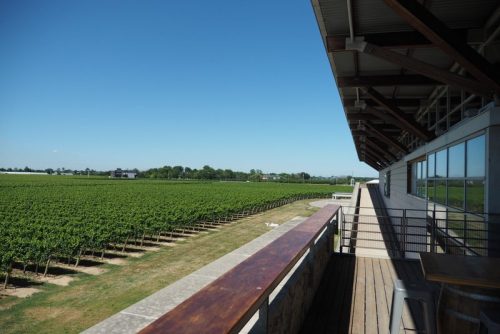
In 2000, Jackson Triggs decided to create a VQA brand, focusing on Niagara-grown grapes. This has since grown to a sizeable 200 000 case production. The winery here processes some 23 000 tons of grapes, with their own vineyards supplying around 20% of their needs. Sparkling, Sauvignon Blanc and Chardonnay are the main focus.

We visited with Jackson-Triggs Ontario winemaker Marco Piccoli, who arrived here in 2005, when the VQA wines were at 80 000 cases. He’d worked at Bidoli,a small family-owned winery in Friuli, Italy from 1994 until 2000, when he quit to train as a winemaker. He got a scholarship to work with Luigi Bosca in Argentina, and also did a Masters degree in Germany, doing lots of work on viticulture. Piccoli then travelled, and during one of these trips he ended up in Niagara, and met Don Ziraldo, one of the founders of Inniskillin. Ziraldo hired him, and he’s still here now.
Piccoli believes that there is lots of potential for sparkling wine, and so they are investing heavily in promoting this. It’s now 12% of production and is the fastest growing category in the portfolio. ‘Pinot Noir here is hit or miss,’ says Piccoli. ‘It is challenging to make good table wine with it because it is thin skinned and close to harvest you get rain and humidity, and it breaks down. For sparkling it is ideal, though. It ripens in a time frame for sparkling where there is no rain or humidity so the grapes are very healthy.’

Jackson-Triggs Entourage Grande Reserve Brut 2014 Niagara, Canada
6000 cases. Traditional method, aged on lees for 3 years. Hand picked. 70% Pinot Noir and 30% Chardonnay. Dosage 6 g/l. Warm, a bit toasty, rounded and a bit spicy, with rich pear and peach fruit. Has some depth here: a nice rich style. 88/100

Jackson-Triggs Entourage Grande Reserve Sparkling Sauvignon Blanc Brut 2015 Niagara, Canada
1000 cases. 12 months on lees, the minimum allowed by VQA, so as not to obscure the Sauvignon character. 12 g/l dosage. Lovely fruit here: tropical notes, a bit of grassiness, some table grape, and a bit of sweetness. Very attractive in a fruit forward style. This works really well. 87/100

Jackson-Triggs Moscato 2017 Niagara, Canada
Charmat method. The fermentation is stopped leaving some sugar. After a certain point with Moscato the terpenes start oxidising so it needs to be picked at relatively low Brix. This is the second year they have made it. They harvested at 19-21 Brix and were happy with the way the terpenes turned out. 60 g/l sugar. Highly aromatic: this has rich aromatic grapey characters. Very fruity and expressive and bright, this is bottled joy. Very nicely done. 88/100

Jackson-Triggs Grand Reserve White Meritage 2017 Niagara, Canada
80% Sauvignon and 20% Semillon this year, but it can vary. Gives this some skin contact: destemmed grapes spend 4-8 hours in a tank, kept cold. No barrel. This has bright tropical fruit and some citrus brightness. Very clean, fruity and attractive with a crisp juiciness. Lovely fruit quality. 89/100

Jackson-Triggs Grand Reserve Chardonnay 2016 Niagara, Canada
Nice weight with well integrated oak. Very well balanced with good texture, fresh pear and white peach fruit and some citrus. Shows mealy, spicy intensity. 91/100

Arterra Chardonnay 2016 Niagara, Canada
No sulfites until after malolactic fermentation. 10-15% in barrel. This is a bold, rich, spicy style with rich toasty oak and some hazelnut. Generous pear and peach fruit here with a savoury, cedary, slightly minty edge. A very rich, satisfying style with bold pear and peach fruit. There’s a lot of personality in this wine. 89/100

Arterra Pinot Noir 2016 Niagara, Canada
In 2009 Marco started making apassimento here. He thinks it is well suited to the region. With the Arterra project, he tried it on the Pinot Noir. 20% of the grapes are dried for a bit and this portion is fermented separately in stainless steel. The 80% normal portion is fermented and aged in barrel. This is savoury and spicy with nice density. It’s grippy and a bit smoky with some spicy cherry and plum fruit. Quite dense and angular with a savoury twist on the finish. Needs time. 86/100

Jackson-Triggs Grand Reserve Shiraz 2015 Niagara, Canada
Lively, peppery and quite intense with high acidity. There’s some pepper and menthol here. Lots of dense, spicy, vivid fruit with some oak imprint. Lots of everything here with a distinctive, savoury, slightly medicinal twist. Supple and bright with high acidity. 88/100

Find these wines with wine-searcher.com


from Jamie Goode’s wine blog http://www.wineanorak.com:/wineblog/canada/in-niagara-canada-jackson-triggs-arterra

For Fine Wine Investment opportunities check out Twelve by Seventy Five: http://www.twelve-by-seventy-five.com/

from
https://twelvebyseventyfive.tumblr.com/post/177118000447

Thursday, August 16, 2018

Restaurant reviews: Hide, London

Hide is the hot new London opening of 2018. I’m not so good at catching new openings – I’m hardly in the country – but the Monday before last I ate there for the first time, curious to see what all the fuss is about. Here’s my brief review.

It’s owned by Yevgeny Chichvarkin, who is also owner of the fabulous Hedonism Wines, just round the corner from the restaurant. So one of the big appeals of Hide is that you can order wine from the extensive (and not just expensive) Hedonism list with a modest £35 cash mark-up, which seems extraordinarily generous once you are talking even modestly serious wine.

There are three elements to Hide: Above (swanky, tasting menu), Ground (a la Carte on the ground floor) and Below (cocktail bar). We dined at Above on the 10 course tasting menu (£95).

To get to Above you need to ascend the most elaborate staircase you can imagine. In swirling natural wood, it apparently cost £3 million alone. Money isn’t an object here: lots of staff have been recruited at higher-than-average salaries. And there are lots of staff: the staff to guest ratio is pretty insane, which means service is prompt and attentive.

The decor is nice in a modern Scandi sort of way, and much less fancy (in the show-off sense) than I was expecting. It’s a bright, airy space.

The food? As you can see from this picture of the first course, it’s clever and intricate, and slightly over the top. The pheasant quill as a serving implement; the simple but delicious vegetables; and a lovely broth. All together. There’s variety and surprise here. The only disappointing dish was the lamb, which was perfectly correct in its sous vide paleness, but seemed a very cautious and predictable way of preparing it.

Overall impressions? Very positive. It’s high end, and it delivers. It’s a beautiful space, and while I won’t be rushing back for the ever so slightly cautious yet visually arresting and technically astute cooking, the thought of raiding Hedonism’s list with good food is an appealing one.


from Jamie Goode’s wine blog http://www.wineanorak.com:/wineblog/restaurants/restaurant-reviews-hide-london

For Fine Wine Investment opportunities check out Twelve by Seventy Five: http://www.twelve-by-seventy-five.com/

from
https://twelvebyseventyfive.tumblr.com/post/177056899852