Wednesday, October 31, 2018

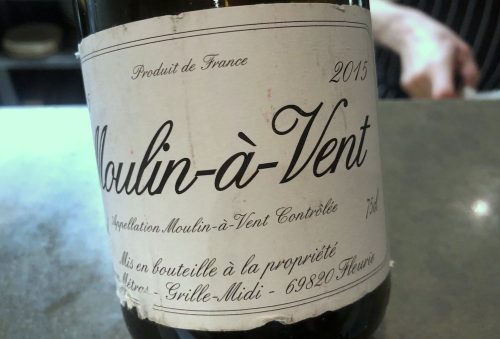
Gamay 45, Yvon Métras Moulin-à-Vent 2015

Another raid on Terroirs last night. I love this place! We did some raiding – a slightly disappointing bottle of Ganevat (occasionally this happens) was followed by a Souhaut Syrah and a Foillard Fleurie. And then they managed to find a bottle of Métras for us, even though it was sold out. It was singing: yes, this is a big, ripe vintage (2015), but some people handled the heat better than others. I generally avoid 2015s (still, I see some people citing this as a great Beaujolais vintage: it wasn’t!), but this was lovely. Métras is probably the most celebrated of all Beaujolais producers at the moment.

Yvon Métras Moulin-à-Vent 2015 Beaujolais, France
Rich, spicy and dense with bright black cherry and blackberry fruit. Nice richness and concentration with really fine-grained tannins. Lovely cherry and plum fruit on the palate with finesse and intensity. Ripe but very fine. 94/100

Find these wines with wine-searcher.com


from Jamie Goode’s wine blog http://www.wineanorak.com:/wineblog/beaujolais/gamay-45-yvon-metras-moulin-a-vent-2015

For Fine Wine Investment opportunities check out Twelve by Seventy Five: http://www.twelve-by-seventy-five.com/

from
https://twelvebyseventyfive.tumblr.com/post/179619880122

Sunday, October 28, 2018

Ambergris, a remarkable natural smell ingredient from whales

I’m obsessed by smells. It’s a good job because a large part of my job involves smelling things. Most commonly, fermented grape juice.

But for a long time I’ve been really interested in ambergris, ever since I heard about it as an exotic component of many perfumes. I’d read that this was an excretion from whale intestines, and smelt bad, but was a really important and expensive ingredient in some perfumes. It turns out that I’d not got the whole story, and there was some misinformation going around. And I had unwittingly spread some of this.

Recently, a smell researcher in Canada, Dr Melanie McBride, contacted me, because she’d seen a mention of ambergris in the introduction to my latest book (Flawless). I’d quoted Melanie before, in I Taste Red, so it was good to hear from her.

I have some info about ambergris you might find useful given your description in the intro. Not sure who you got your info from but there’s a lot of perfumers who really aren’t that knowledgeable about it because they haven’t obtained enough to really know it well. I know some folks who sit on ambergris evaluation boards and have written extensively about it and from whom I’ve obtained samples and sniffed many rare and antique examples and they are anything but disgusting…

…Key thing is, ambergris is often the jewel of a perfume – not merely a supporting role. So its important to know that too. Ambergris is an exquisite scent – ‘amber’ as in vanilla and cistus labdanum ‘gris’ as in gray (the highest quality). It cures and ages in the sea. If FRESH yes it would be digusting but it would also be unusable! It must be collected, it cannot be harvested.

Melanie sent me a link to a really good article on ambergris, which is here. In this I learned a lot. First, ambergris isn’t usually vomited by whales (like a whale hairball), but usually passes out through the rectum. In some cases it can block the rectum and the whale dies. It’s made only in sperm whales, and is a mechanism for protecting the intestine from sharp items in their diet, such as squid beaks: these offending objects are coated in a substance that then congeals and creates a mass.

But there’s be no point in hunting sperm whales for ambergris. That’s because an essential stage in its transformation from intestinal debris to valuable perfume ingredient is the ageing process as it bobs around in the sea for a long time – sometimes years. It is therefore only discovered when it washes ashore, and if you find a decent-sized lump, you could be very well off indeed.

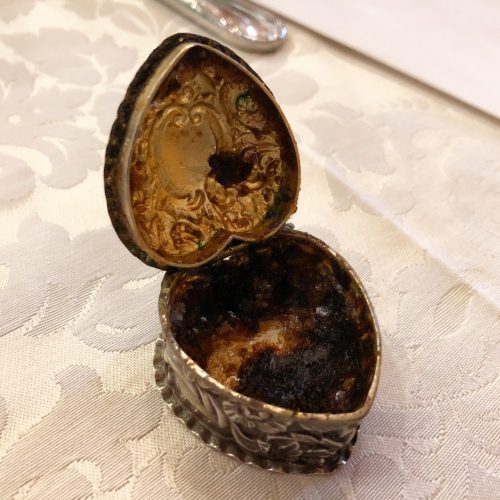
Then, yesterday, by chance I got to see some, and smell it, and put it on my skin. Far from smelling bad, this ambergris is quite remarkable, and lovely. I was having lunch with Olympia Rizzardi of Guerreri Rizzardi in Bardolino, and when I said that I was interested in perfume (because of my interest in smell), she pulled out a small silver container with some ambergris in it.

I put a tiny trace on my hand, and then smelled it. It was amazing: a very rich smell, much more bass than treble, with spice, vanilla, old wood, dried herbs and maybe a whiff of smoke. It was quite sweet smelling. Three hours later this tiny trace was still smelling lovely, and it seemed that I wasn’t desensitising it, and it wasn’t fading. Now I understand why it is so highly valued by perfumers: it isn’t just a fixative, or a foil. This sort of thing is fascinating to people like me who obsess about smell.


from Jamie Goode’s wine blog http://www.wineanorak.com:/wineblog/wine-science/ambergris-a-remarkable-natural-smell-ingredient-from-whales

For Fine Wine Investment opportunities check out Twelve by Seventy Five: http://www.twelve-by-seventy-five.com/

from
https://twelvebyseventyfive.tumblr.com/post/179522982097

Friday, October 26, 2018

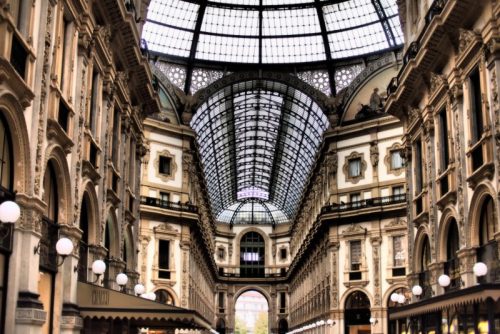
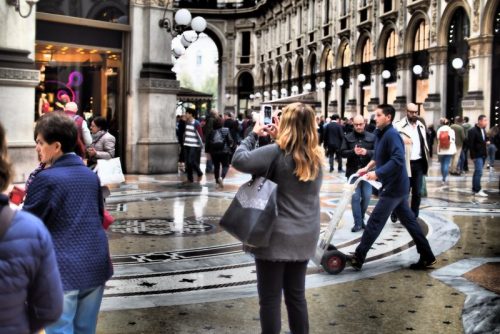
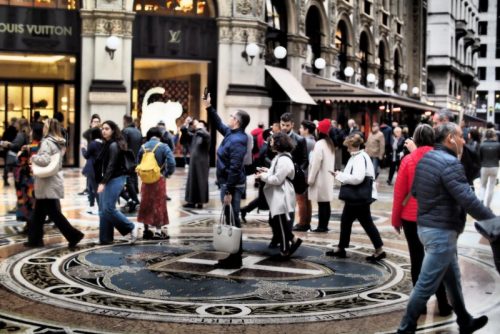
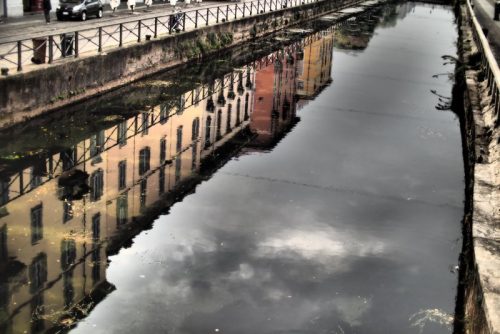
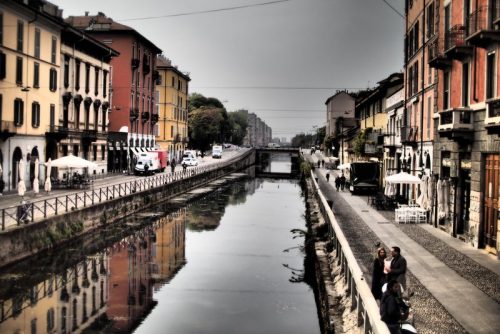
In Milan, some pictures

Duomo di Milano

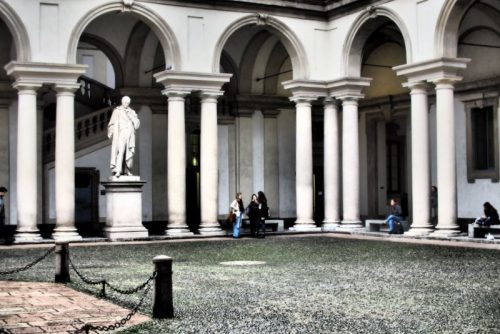
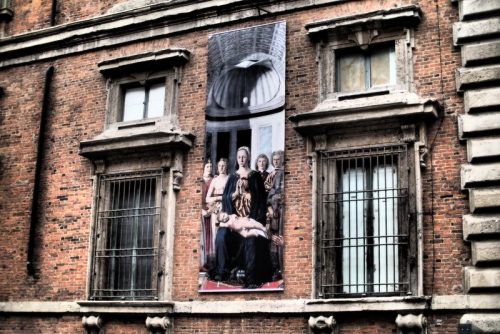
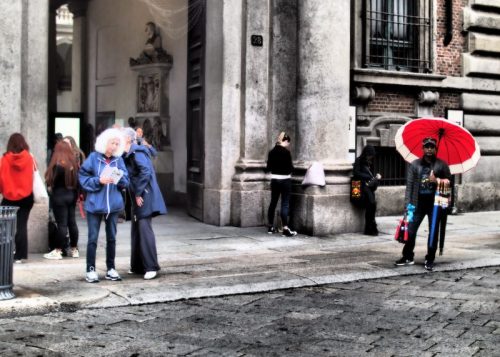
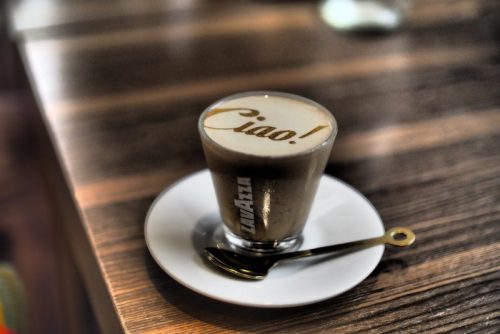
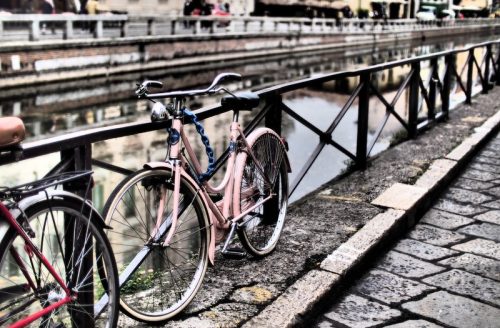
This weekend I am in Milan, on a small press trip with Ramada Hotels. I’ve been doing a bit of work putting together a special wine list for Ramada, showcasing some of the locations that the hotel chain operates in. It’s streamlined ‘say hello to red’ (their brand colour), and it’s a short, six-bottle list showcasing six different styles of red wine from a range of countries (including Greece, Turkey, Bulgaria and Romania, among others. Yesterday we spent some time exploring Milan, and these are some pictures I took (all with the Olympus Pen F and the manual focus 25 mm f 0.95 Zhongyi lens).

Galleria Vittorio Emanuele II

Brera Art Gallery

Navigli canal


from Jamie Goode’s wine blog http://www.wineanorak.com:/wineblog/photographs/in-milan-some-pictures

For Fine Wine Investment opportunities check out Twelve by Seventy Five: http://www.twelve-by-seventy-five.com/

from
https://twelvebyseventyfive.tumblr.com/post/179473210767

New York State (9) Dr Konstantin Frank, Finger Lakes

Dr Konstantin Frank is one of the most important figures in the development of the Finger Lakes wine region. His story is a remarkable one, too. He’s most famous now for being the key figure in getting people to plant Vitis vinifera varieties in the Finger Lakes.

Born in 1899 into a wealthy ethnic German family in Ukraine, Frank became a noted agricultural engineer, and later in his career he earned a PhD.

Although his family were on the wrong side in the post-1917 revolution war when the communists took over, they lost their land but remained in their part of Ukraine, where Frank got a job renovating and managing a huge state-owned vineyard. Many of the challenges he faced were to prepare him well for what he was later to find in New York State.

Vinifera!

Frank replanted this vineyard with grafted vinifera vines, and famously developed a special plough to earth over the vines for the winter – winter cold was one of the viticultural challenges here. This saved a lot of labour. Then came the second world war, and Frank and his family had to flee the Nazis, then flee the Russians (as an ethnic German things wouldn’t have ended well), and then at the end they managed to find their way to an American-occupied area. He made himself useful to the occupying American administration, which earned him the chance to emigrate to the USA. Eventually, the family resettled in New York.

Seneca lake soils

As soon as he could earn enough money, Frank headed to Geneva, in the Finger Lakes, where he attempted to get a job more suited to his professional skills than the menial jobs he’d been taking just to earn some money. The problem was that although he spoke a number of languages, English wasn’t one of them. Frustratingly for Frank, he could only find low level agricultural work, even though he’d been running a sizeable agricultural college in Ukraine. But he was fortunate to meet Charles Fournier of the Urbana Wine Company. Fournier himself had an interesting background: he came to the USA in 1930 after being headhunted from his role as winemaker with Veuve Clicquot. Fournier recognized Frank’s talents (in part because Frank could speak French and so finally found someone he could communicate with) and hired him.

Multiple trunks in case of winter damage

The partnership between Frank and Fournier was to prove pivotal in introducing vinifera into the region. At the time no one thought it would work, because of winter cold and disease pressure. But Frank had seen vinifera thrive in a similarly challenging environment in Ukraine. He was persistent and vocal, and eventually vinifera was planted, and it worked. He then commenced a vast project of experimentation, allocating increasing resources to vinifera trials. He also saved up enough money to buy his own property on Keuka lake, where he began more vinifera trials. Frank’s obsession with vinifera and his dislike for hybrids eventually caused problems for his employers, who were making good money from hybrid wines. Eventually, in 1962 Frank left (some accounts say he was sacked, while others claim he left by choice) to focus on his own winery, then called Vinifera Wine Cellars.

Today, Vinifera is known by his name, Dr Konstantin Frank, and is one of the most important producers in the region. Since 1993 it has been run by Konstantin’s grandson, Fred Frank, assisted by a fourth generation Frank, Meaghan. I visted with both.

‘He bought this property and 66 grape varieties were planted as an experiment,’ explains Fred Frank. Now, they are bit more focused, but do have some more unusual varieties like Rkatsiteli and Saperavi. They are beginning to focus a bit on sparkling, and have six different ones in their range. ‘Sparkling is the next thing for this region,’ says Fred. ‘Our juice chemistry off the press is almost identical to Champagne juice. Our climate is the closest to Champagne in the USA.’

Rkatsiteli with its unusual ovoid berries

The home vineyard is on the western side of Keuka lake, where the soils have a high shale content. ‘Keuka lake is shallower with a higher elevation and rockier soils,’ says Fred, ‘but we also have vineyards on Seneca which has more of a moderating effect. It is an asset having multiple vineyard sites.’

Dr Konstantin Frank Blanc de Blancs 2013
100% Chardonnay, disgorged April 2018, dosage 8 g/litre. Bright and lively with a pithy edge to the fruit. Crisp, lemony and focused with a slight bitterness. This is really lively and pure. 89/100

Dr Konstantin Frank Blanc de Noirs 2013
95% Pinot Noir, 5% Pinot Meunier. 8 g/l. Fruity and expressive with cherry, lemons, pear and some grapefruit pith. Bright and juicy with nice precision and focus. Primary and taut. 88/100

Dr Konstantin Frank Brut Rosé 2013
95% Pinot Noir, 5% Pinot Meunier, with 8 g/l dosage, and some Pinot Noir still wine in rhe dosage. Crisp, pale and focused with good acidity. Very bright and juicy with keen acidity and nice precision. 89/100

Dr Konstantin Frank Brut 2013
Blend of the three main Champagne grapes. Lively, fresh and fruity with nice bright citrus fruit. Taut and herby with nice brightnesss. 88/100

Dr Konstantin Frank Dry Riesling 2016
Fresh and bright with open lemon, pear and tangerine notes. Supple, light and expressive. 88/100

Dr Konstantin Frank Gruner Veltliner 2016
Supple, fresh and bright with nice juiciness. There’s some lemony character here. Delicate and showing some finesse, as well as a touch of white pepper. A light, transparent, expressive version. 89/100

Dr Konstantin Frank Eugenia Dry Riesling 2016
Dry Riesling from Keuka, vines planted in 1958 on rocky soils. Very tight and lemony with lovely crisp, focused, mineral lemon and lime notes. Pure and bright with high acidity. Very linear. 91/100

Dr Konstantin Frank Rkatsitelli 2017
Lemony, fresh and intense. Pure with nice stony, mineral undertones with subtle herby hints. It’s not all about fruit: it seems stony, clean and bright with lovely purity. 91/100 ($17)

Dr Konstantin Frank Amber Rkatsitelli 2016
15 days on skins ferment, plus 10 days post-ferment. (Two amphorae were imported from Italy and were used for the 2017, but this 2016 was done in barrel.) So lively and fresh with complex wax and nut characters as well as a bit of anise. Distinctive and nutty with lovely savouriness. 92/100

Dr Konstantin Frank Gewurztraminer 2016
Crisp, floral and bright with high acidity and some rose petal character. Perfumed and a bit jellyish with nice bright fruity flavours. A touch confected. 86/100

Dr Konstantin Frank Gewurztraminer 2017
Delicate, perfumed and crisp with nice lychee and Turkish delight notes. Supple and fresh with a lovely texture. Grapey, sweet finish. 89/100

Dr Konstantin Frank Old Vine Pinot Noir 2016
These cuttings came through quarantine at Beltsville, Maryland (one of the two USDA facilities) and had been sourced from France. Planted in 1958. Supple and quite elegant with delicate red cherry fruit with a hint of cedar and spice under the pure fruit. Soft, textured and easy with a hint of seriousness. Has nice purity of fruit. Fine grained finish. Very stylish in a lighter style. 91/100 ($21)

Dr Konstantin Frank Blaufrankisch 2016
This is bright, supple and juicy with nice weight. Juicy with some raspberry and redcurrant fruit. This is quite elegant and fine with very nice supple, smooth fruit. Has real finesse and poise. So expressive. 91/100 ($21)

Dr Konstantin Frank Cabernet Franc 2015
Supple and structured with juicy raspberry and black cherry fruit with some blackcurrant notes. Has some gravelly structure and good acidity. Nice depth and focus with lovely brightness. Grippy finish. Proper wine. 92/100 ($22)

Dr Konstantin Frank Lena Reserve Red 2015
Barrel selection from the Keuka property, including Saperavi, Pinot Noir, Cabernet Sauvignon, Cabernet Franc and Merlot. This is fleshy and bright with great concentration of blackcurrant and blackberry fruit. This has some structure and good acidity. Dense and primary with lovely brightness. Has potential. 93/100 ($70)

NEW YORK STATE WINE

FINGER LAKES


from Jamie Goode’s wine blog http://www.wineanorak.com:/wineblog/new-york/new-york-state-9-dr-konstantin-frank-finger-lakes

For Fine Wine Investment opportunities check out Twelve by Seventy Five: http://www.twelve-by-seventy-five.com/

from
https://twelvebyseventyfive.tumblr.com/post/179461370467
Thursday, October 25, 2018

Just because I’m learning it doesn’t mean I’m stupid

Most introduction to wine books are deeply unsatisfying. Why?

It’s because when people try to take the role of educator, they forget that many of their readers are actually quite smart. In many cases, the educator is dealing with people who are significantly smarter than they are.

Educators usually patronize their readers. They make the mistake of thinking that because they are in possession of a body of knowledge that their readers lack, they are therefore smarter than their readers.

There are lots of things I’d like to learn more about. Cheese, for a start. And maybe coffee. And Japanese food and drink culture. But I don’t want people to tell me about these things in the way they might talk down to a 10 year old child. I can deal with the complex bits and the interesting stuff, but what I need is for the teacher to make these subjects accessible.

Accessibility doesn’t equal dumbed down. We can have the richness of content, but it needs to be packaged in the right way. It needs to avoid relying on a corpus of background knowledge. And it needs to be interesting.

Rather than Cheese for Dummies, I want to read Cheese for Smart People. Who just don’t know much about cheese yet. And one day I’d love to write an introduction to wine book that doesn’t patronise or talk down to my readers, but recognizes that they are smart and that they want to read something interesting.

Knowing stuff doesn’t make you smart.


from Jamie Goode’s wine blog http://www.wineanorak.com:/wineblog/uncategorized/just-because-im-learning-it-doesnt-mean-im-stupid

For Fine Wine Investment opportunities check out Twelve by Seventy Five: http://www.twelve-by-seventy-five.com/

from
https://twelvebyseventyfive.tumblr.com/post/179423289497

Wednesday, October 24, 2018

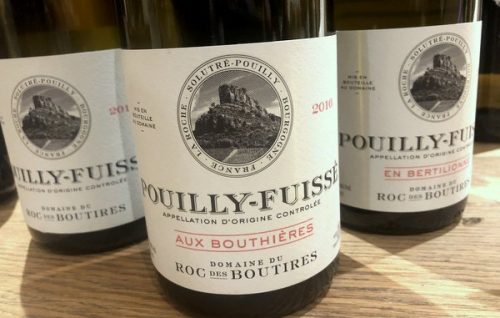
Epic Pouilly-Fuissés from Domaine du Roc des Boutires

Domaine du Roc des Boutires is a new discovery for me. This is high-end Pouilly-Fuissé, and the vineyards, which total 4.2 hecatres, are ideally situated in the shadow of Roche du Solutre. The domaine was purchased in 2017 by the Parinet family of Château du Moulin-à-Vent, so these wines pre-date the acquisition. But they are very fine expressions of white Burgundy, with lovely texture and mouthfeel. Prices are reasonable for the quality on offer.

Domaine du Roc des Boutires Pouilly-Fuissé 2016 Burgundy, France
13% alcohol. This is complex, concentrated and refined with fine pear and citrus fruit, showing broad, fine-grained texture and lovely mineral detail. Incredible finesse and palate weight with a nice stony minerality underpinning the fruit, as well as a touch of honeyed richness. Harmonious and pure, balancing richness with freshness. 94/100

Domaine du Roc des Boutires Pouilly-Fuissé En Bertilionne 2016 Burgundy, France
13% alcohol. This is just so precise, combining delicacy and concentration. Refined and expressive with fine citrus notes, some pear and white peach, and a fine, pithy, spicy bite adding interest. The oak is perfectly integrated with the nice, fine-grained fruit notes. Beautiful poise, balance and complexity. 95/100

Domaine du Roc des Boutires Pouilly-Fuissé Aux Bouthières 2016 Burgundy, France
13% alcohol. Complex, lively, spicy and detailed with good structure and well integrated oak, together with a lovely texture to the pear and citrus fruit. Has a lovely texture and graininess with fine spicy notes underpinning the delicate yet concentrated fruit notes. Quite beautiful. There’s ripeness and richness, but it works so well in tension with the freshness. 94/100

RRPs

Domaine du Roc des Boutires ‘En Bertilionne’, Pouilly-Fuissé, 2016 £32.95 per bottle RRP
Domaine du Roc des Boutires ‘Aux Bouthières’, Pouilly-Fuissé, 2016 £37.95 per bottle RRP
Domaine du Roc des Boutires, Pouilly-Fuissé, 2016 £ 28.95 per bottle RRP

UK agent: Flint Wines


from Jamie Goode’s wine blog http://www.wineanorak.com:/wineblog/burgundy/epic-pouilly-fuisses-from-domaine-du-roc-des-boutires

For Fine Wine Investment opportunities check out Twelve by Seventy Five: http://www.twelve-by-seventy-five.com/

from
https://twelvebyseventyfive.tumblr.com/post/179387941462

Tuesday, October 23, 2018

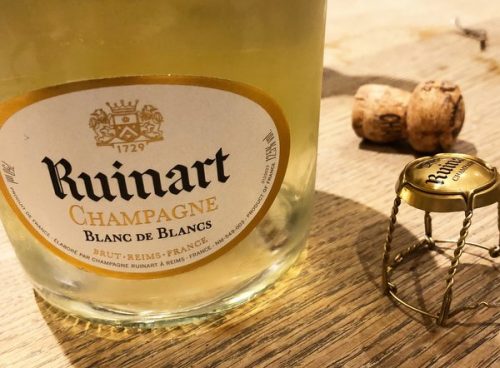
Champagne Ruinart Blanc de Blancs

Very impressed with this, the current release of the Ruinart Blanc de Blancs. It’s immediately accessible, and obviously delicious, but it also has a serious side to it. Very skilful blending and winemaking here. Not cheap, at around £50 street price, but really fine and beautifully packaged, too (in clear glass, so preferably try to find a boxed product that won’t have suffered light strike.

Champagne Ruinart Blanc de Blancs NV France
12.5% alcohol
This is beautiful stuff. There’s some lovely richness with citrus, pear and white peach with a really nice brightness and crispness. The core here is linear, refined citrus fruit, with fine spiciness adding complexity. Generous, but also very fresh and detailed. Complex, but with no rough edges. It walks the tightrope between sweet fruitiness and crisp precision really well. Accessible but also quite serious. 93/100

Find this wine with wine-searcher.com


from Jamie Goode’s wine blog http://www.wineanorak.com:/wineblog/champagne/champagne-ruinart-blanc-de-blancs

For Fine Wine Investment opportunities check out Twelve by Seventy Five: http://www.twelve-by-seventy-five.com/

from
https://twelvebyseventyfive.tumblr.com/post/179353434552

Monday, October 22, 2018

New York State (8) Fox Run Vineyards, Finger Lakes

Fox Run Vineyards is one of the leading wineries in the Finger Lakes. Originally a dairy farm on Seneca Lake, the first vineyards were planted here in 1984. The current owner, Scott Osborn, purchased it along with another partner back in 1994, and it now has 50 acres of vineyards, with 19 of those planted to Riesling.

There are five distinct soil types on the property: this would all have been underwater 12 000 years ago, but recession of the lake levels to the current level of Seneca lake has led to deposition of a range of different materials, and the complex geological transitions in the vineyard is something Fox Run are trying to work with.

Peter Bell, winemaker, Fox Run Vineyards

Peter Bell has been winemaker here since 1995. Previously he did five years at Dr Konstantin Frank’s Vinifera Wine Cellars. Production is around 18 000 cases a year.

Fox Run Blanc de Blancs 2013
Large proportion of the base wine is barrel fermented. Powerful with nice creamy hints and lovely citrus and pear fruit. Zippy and lemony but generous and refined too. Some toast and spice. Partial MLF. Lovely stuff. 90/100

Fox Run Doyle Family Chardonnay 2017
Unoaked. Has 9% Traminette in the blend. Delicate, fine and textured with nice pure tangerine and lemon fruit. Nice precision and delicacy with lovely fruit. No lees, no MLF, no oak. Pretty and delicate. 90/100 ($13)

Fox Run Dry Riesling 2016
Nice intensity. Pure and linear with a dry character. Good acidity sitting under the fruit. It’s very lemony, taut and detailed. Has some pithiness. Very pure with sinews and tension. 91/100

Fox Run Dry Riesling 2017
Taut, dry and mineral with nice citrus fruit and a twist of nice reduction. Lemony and expressive with nice finesse. 91-93/100

Fox Run Dry Riesling 2006
Full yellow colour. Toast, honey and spice on the nose, with a lovely palate that’s fresh and citrussy with a bit of creaminess. Very fine and expressive with nice depth. Such a lovely wine. 93/100

Fox Run Dry Riesling 2001
Intense and toasty, with a spicy, honeyed nose and some notes of marmalade. Fresh, detailed and very fine on the palate. There are flavours of citrus, spice and cream. So bright and delicious. 94/100

Fox Run Silvan Vineyard Riesling 2017
Barrel fermented. Supple, light and very fresh with real elegance. Delicate and fine with finesse and purity. A really elegant style. 93/100

Fox Run Lake Dana Vineyard Riesling 2017
62 g/l residual sugar. Lovely sweetness here. Off dry, pure, ripe and sweet with citrus, pear and some melon. Nice weight with well integrated acidity. 90-92/100

Fox Run Lot 11 Riesling Lake Dana Vineyard 2014
Lively and textural with lovely citrus, pear and lemon notes with a touch of mango. Off-dry and pretty with lovely finesse. Has a nice delicacy with some subtle creamy hints. Quite sweet. 92/100

Fox Run Semi Dry Riesling 2017
Very pretty and linear with nice fresh citrus fruit. Lemons, pears, apples and some melon. Has a purity with lovely linear fruit. So primary with lots of potential. 89/100

Fox Run Traminette 2016
Half of its DNA is Gewurztraminer. Very lively and expressive with lots of grape, lychee, pear and mint. Has good acidity. Juicy, floral and intense with a pretty character. A little confected though. 87/100

Fox Run Vineyards Dry Rosé 2017
50% Pinot Noir, 50% Lemberger. Salmon pink/orange in colour. Juicy, lively and bright with citrus, cherry and plum. Lively acidity. Juicy and bright with nice focus. 88/100

Fox Run Hedonia Traminette 2017
Fortified after fermentation. Sweet, intense, warm, fresh and quite exotic. Nice acidity, too. 16% alcohol. Nice stuff. 89/100

Fox Run Lemberger 2016
Juicy and bright with raspberry and red cherry fruit. Juicy and zippy and fresh with a bit of grip. Lively, fresh and spicy. 90/100

Fox Run Lemberger 2017 (sample)
Lovely raspberry fruit with some bright reduction. Fresh, showing spiciness. Vivid and expressive. 90-92/100

Fox Run Lemberger 2017 (Port style)
Sweet, pure and textural with nice sweet berries and cherries. Lively supple texture with some cherry pie notes. 90-92/100

Fox Run Cabernet Sauvignon 2016
Supple, bright and fresh with some blackcurrant fruit. Elegant style with a juicy edge and some grippiness. 90/100

Find these wines with wine-searcher.com

NEW YORK STATE WINE

FINGER LAKES


from Jamie Goode’s wine blog http://www.wineanorak.com:/wineblog/new-york/new-york-state-8-fox-run-vineyards-finger-lakes

For Fine Wine Investment opportunities check out Twelve by Seventy Five: http://www.twelve-by-seventy-five.com/

from
https://twelvebyseventyfive.tumblr.com/post/179309991882

Sunday, October 21, 2018

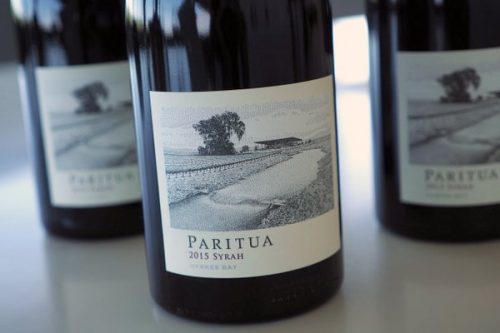
Hawke’s Bay, New Zealand (6) Paritua

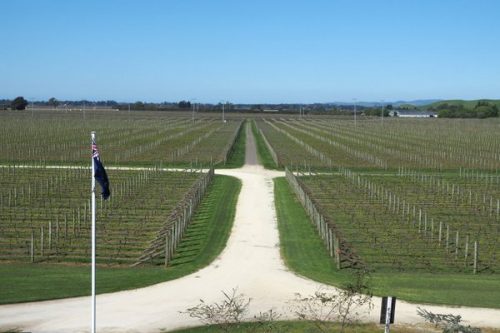
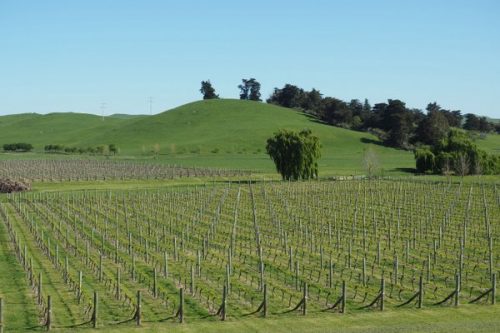
Paritua is an impressive property, with a state-of-the-art winery and a sizeable 54 hectares of vineyards surrounding it, based in the Bridge Pa district of Hawke’s Bay. The vineyard was planted in 2003 and 2004 by the original owners, Brianne and Gary Fisher.

The vineyards are currently in conversion to organics. The soils are the typical redmetal gravels, which contain large amounts of iron and manganese.

Winemaker Jason Stent has been here for 10 years; prior to this he was red winemaker at Sacred Hill.

In 2011, Paritua was purchased by a group of 10 Chinese investors. As a consequence the majority of the wines are sold to China (previously the USA was the main market), and it’s perhaps because of the taste for riper wines in both these markets that the Paritua reds are made in quite a ripe style. But they still have balance.

Paritua Chardonnay 2013 Hawke’s Bay, New Zealand
$42. Whole-bunch pressing and high solids fermentation. They have tried wild ferments here but they haven’t really worked. 85% Clone 15 and 15% clone 95. 40% new oak, and half the barrels are 500 litre. Textured and refined with bold citrus, pear and white peach fruit. Nicely savoury with some slight saltiness and a touch of cream. Has a bit of development but still really fresh, finishing a bit pithy. Refined. 93/100

Paritua Chardonnay 2014 Hawke’s Bay, New Zealand
This has some warm peachiness and a touch of vanilla. There’s nice dense pear fruit with a bit of citrus framing on the palate. There’s a freshness to this with a fine spicy streak. Ripe but with lovely balance and framing, and a faint hint of whisky on the finish. 93/100

Paritua Syrah 2013 Hawke’s Bay, New Zealand
$49. Mainly Chave clone, which can be savoury and meaty (most use the mass selection Limmer clone that tends to be more fruity). Beautifully aromatic with lovely floral red fruits and some black pepper. The palate has a bit of grunt with nice meatiness and some lovely peppery detail. This has a lovely balance between the bright fruit and the savoury notes. Very stylish wine. 94/100

Paritua Syrah 2014 Hawke’s Bay, New Zealand
Sweetly aromatic with nice sweet liqueur-like cherry fruit. Sweet, berryish palate with a rounded, supple red fruit personality. Very sweetly fruited, heading into jammy territory. Still appealing but verging on over-ripe. There’s a nice sanguine character, though. 92/100

Paritua Syrah 2015 Hawke’s Bay, New Zealand
This is so lovely. Taut and dense, but also really fresh with some peppery hints alongside the sweet black cherry and raspberry fruit. There’s freshness and tension, but also a harmony to the wine. Has lots of potential for development. So lovely. 95/100

Paritua Red 2013 Hawke’s Bay, New Zealand
$49. 47 M, 37 CS, 13 CF, 3 Mal. A vineyard blend, Merlot dominant. Cabernet Sauvignon and Cabernet Franc vary from season to season. Complex, rich and quite refined with bold, sweet yet fresh blackberry and black cherry fruit. There’s a lushness and generosity here, with plenty of ripeness, but it avoids heading into jammy territory. Good structure, and just beginning to develop a little. 93/100

Paritua Red 2014 Hawke’s Bay, New Zealand
15% alcohol. 60 M, 26 CS, 14 CF. Ripe, sweet, mellow and lush. Showing a bit of development and a nice seamless berry fruits character. Hints of mint, too. Satisfying in a ripe, chunky style, but with some polish, too. But over-ripe: the Merlot was picked too late in this year. 89/100

Paritua Red 2015 Hawke’s Bay, New Zealand
75 M, 19 CS, 6 CF. 40% new oak, all barriques. This is an impressive, ripe wine with lush, sweet blackberry and blackcurrant fruit. There’s a softness to the mid-palate but also some good structure and freshness. A concentrated with with just a hint of mint and spicy oak, with lots of potential, and perhaps just flirting with over-ripeness. 93/100

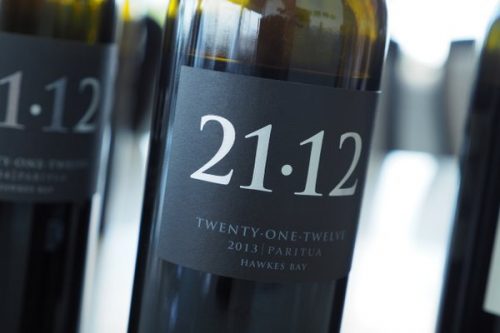
Paritua 2112 2013 Hawke’s Bay, New Zealand
$130 retail. 60% CS, 30% Merlot, 10% CF. Aromatic, floral blackcurrant fruit nose. Great concentration of ripe, sleek fruit on the palate with smooth blackcurrant fruit and some gravelly, chalky structure. Polished and sophisticated, this has some hints of olive and brine savouriness. Impressive effort. 93/100

Paritua 2112 2014 Hawke’s Bay, New Zealand
54% CS, 27% Merlot, 19% CF. This is ripe, warm and spicy with nice depth and intensity. Sweet raspberries and cherries with some blackcurrant. Showing some development and a salty finish. Very attractive in a ripe, slightly developed style. 91/100

Paritua 2112 2105 Hawke’s Bay, New Zealand
52 CS, 31 M, 17 CF, bottled in April. Fresh and intense with good structure and nice acidity. Structured and fresh with lovely supple blackcurrant fruit. Very fine and expressive with brightness, concentration and intensity. 94/100

Find these wines with wine-searcher.com


from Jamie Goode’s wine blog http://www.wineanorak.com:/wineblog/new-zealand/hawkes-bay-new-zealand-6-paritua

For Fine Wine Investment opportunities check out Twelve by Seventy Five: http://www.twelve-by-seventy-five.com/

from
https://twelvebyseventyfive.tumblr.com/post/179276511147

Saturday, October 20, 2018

My journey into wine

The Wine Lover’s Discussion Group: a thread list of topics from 2000. This bulletin board helped me take my first steps in wine geekdom, starting around 1996

How do people discover wine? What proportion of non-involved consumers end up morphing into involved consumers? And how do people make this transition? These are all very interesting questions. The wine industry needs all sorts of consumers, but if we can understand how people first become wine drinkers, and then how and why a proportion of them become more interested in wine, this could be very helpful for the wine industry.

All I know is my journey. Back when I was at university I didn’t drink wine much. I had come quite late to drinking, taking my first steps at about the age of 17, which by British standards is positively ancient. I had a couple of slightly older friends who I drank beer with after playing tennis or walking in the country, and even at that stage I showed some level of geeky interest in sampling the different kinds of beer. English cask-conditioned ales at the pub were my preferred drink, and I remember being fascinated when I was introduced to Theakston’s Old Peculier, which was a very strong, characterful ale.

At university we drank beer, but occasionally we needed wine for dinner, and then I’d nip down to the local Gateway supermarket and browse the wine aisles. I was bottom feeding, trying to get the cheapest wine that would taste OK. Some of them tasted really bad: this was around 1989, and there were still lots of pretty unpalatable wines around then. Generally, you’d go for the one with the highest alcohol level in your price range.

I do remember the first wine that I tried that I found delicious, as opposed to just palatable. It was a Berri Estates Shiraz Cabernet 1989 (I think, or was it 1986?), and it would have been in the second year of my PhD, which puts it at 1990. The son in law of my landlady brought it round for Sunday lunch, and it tasted rich, a little bit sweet, and very smooth. Ah, I thought, there’s something to this wine thing.

Then, after I completed my PhD in 1992 I moved to Wallington in Surrey, and for a while shared a flat with an older friend who’d been to both Oxford and Cambridge, and had been introduced to wine there. He drank modestly but well, and on Sunday evenings he’d often invite a few friends round and open one or two bottles. It was a revelation. I remember trying a Pouilly-Fuissé that actually had real personality, and this hooked me onto the flavour of good Chardonnay. I also remember being introduced to Claret: a 1982 Léoville-Barton did the trick. But the wine that impressed me the most was the 1991 Brokenwood Graveyard Shiraz, which became the first wine I purchased more than one bottle of (three, at £13.49 each).

Two of my friends at the time, Michael and Jason, were also quite taken with wine, and we began buying and drinking bottles together. Michael had a copy of Parker’s Wine Buyers’ Guide. This was one of the early editions, and we began to look out for high scoring wines in our price range. I loved the enthusiasm Parker showed in his write-ups: here was a fellow enthusiast. A happy place was finding his 86 As – wines scoring 86, which was then a good score (before score inflation, maybe the equivalent of today’s 90), but in the cheapest price bracket. We had quite new-world palates at the time, favouring wines with lots of flavour impact, but one quirky discovery that we enjoyed was Château Musar, which at the time was inexpensive. We drank quite a few bottles of Musar. But, in general, we were disappointed with the wines that we bought from supermarkets. They had the same names as the wines we’d tried with our friend, but not the same flavours. I recall that another buying guide that came in useful was the Sunday Times guide authored by Robert Joseph, based on results from the International Wine Challenge, which was in its infancy then.

I had quite a bit of luck at the local specialist wine shop, called The Wine House. Operated by Morvin and Sue Rodker, the wines here were a bit more expensive than supermarket versions, but they tasted good. I was at the stage in my drinking career where I’d try something that I really loved, but I couldn’t say exactly why I liked it, and I then struggled to replicate the experience. Evidently, I had a latent geeky interest, but it took people like my friend, and the nearby presence of a decent wine shop, to lure me in properly. They gave excellent recommendations. I remember them talking me up to a Chablis Grand Cru once, telling me: ‘Live a little!’

What else do I remember from the early days? Oddbins was in its prime in the early 1990s, and the eclectic selection on the shelves of this specialist chain was ideal fodder for a newbie geek. They sold the wines well, too, with enthusiastic staff and excellent wine lists. I also remember finding good bottles in the high-end specialist selection in the local Asda and Waitrose supermarkets. At the time, both stocked some interesting bottles. And then there were branches of Thresher and Wine Rack, with a few goodies in their selection.

Fine wine was cheaper then. This made the odd foray into the classics affordable. I spent most of my time, though, exploring the new world, and Australia was my first love. Indeed, my first visit to vineyards was back in 1996, when I went to Melbourne with work. I hit the Barossa Valley, and Fiona and I stayed cheaply in a caravan as we toured round Victoria. Our first ever winery visit was at Charles Melton in March 1996. Australia was interesting back then, and the likes of St Hallett, Rockfords and Penfolds drew me in with their ripe but complex wines. Penfolds’ Grange was still selling at £35 in the UK in those days, before it was hiked massively along with the rest of the previously good value Bin range.

I also remember my first encounters with Brettanomyces, although it the time I didn’t know what it was. A friend brought round a supermarket Crozes Hermitage, and I found the farmyard aromas and strongly savoury taste very off-putting. I also found the same flavours in a Richeaume wine from Provence.

I also began going to consumer tastings, which were quite memorable because at the time we didn’t know how to spit, so they started well and ended a bit blurry. I began to write down my impressions of the wines, taking the first stage of developing a wine vocabulary.

So, by 1996 I was a proper wine geek, still very early on in my journey but anxious to explore. And explore I did. Along came the internet, so I started a hobby wine site on Geocities, which a couple of years later became wineanorak.com. The actual website I have now was started in November 1999, so it’s one of the oldest out there. I started blogging in September 2001, so mine is now the oldest extant wine blog (the one or two that preceded it are no longer there). I learned a great deal from being a participant in the Wine Lovers’ Discussion Group. In the late 1990s this US-based bulletin board was the place to be for discussing wine online, and there was a golden period when professionals and amateurs alike shared their knowledge. It was at the right sort of scale for it to work, and very good spiritied. It didn’t last too long, but for me as a keen newbie it was a superb place to make connections and learn.

My website as it looked back in 2000: early days for wine on the internet

It was in 2002 that I started earning money for writing about wine, as well as picking up advertising income from my growing website (I’d had adverts from 2000). In 2004 I got a book deal; in 2005 I got a national newspaper column; and in 2008, already in possession of a couple of Glenfiddich Awards, I quit my day job to work full time with wine.

So, is this typical of wine geeks? Are there lots of people out there like me, with a latent interest in wine that just needed triggering? Or do people just get sucked into it, irrespective of any latent interest? It would be interesting to know whether there are strategies to get people interested in wine that would work with many people. Or is it just a few who potentially could go on to become serious wine drinkers? It may well be that some people are more curious generally about flavour, and that they will find their way. But it could also be that some people are put off because the only wines they get to experience are uninteresting, and so they are never more than uninvolved consumers who view wine as just a commodity. That would be a shame.


from Jamie Goode’s wine blog http://www.wineanorak.com:/wineblog/longer-articles/my-journey-into-wine

For Fine Wine Investment opportunities check out Twelve by Seventy Five: http://www.twelve-by-seventy-five.com/

from
https://twelvebyseventyfive.tumblr.com/post/179258547472

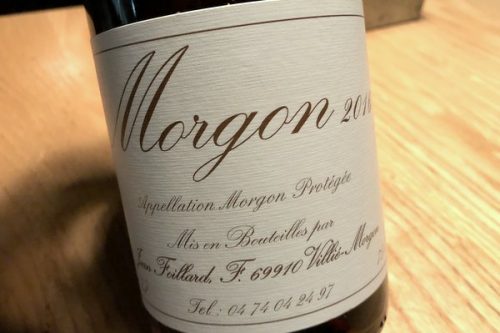
Gamay 44, Jean Foillard Morgon 2016

Last night in NewZealand, so it’s time to head to Scotch. A quite Saturday night there, and a very relaxed vibe. Two very good wines, including this deliciously focused, fruit-driven Morgon from Foillard.

Jean Foillard Morgon 2016 Beaujolais, France 
This is a striking expression of Morgan. It’s so floral and intense with a blast of red cherry and raspberry fruit. So pure, crunchy and vivid with amazing fruit intensity. There’s some grippy structure with focused raspberries the core component – amazing intensity and freshness here, and so easy to drink despite its more serious side. 93/100

Find these wines with wine-searcher.com


from Jamie Goode’s wine blog http://www.wineanorak.com:/wineblog/beaujolais/gamay-44-jean-foillard-morgon-2016

For Fine Wine Investment opportunities check out Twelve by Seventy Five: http://www.twelve-by-seventy-five.com/

from
https://twelvebyseventyfive.tumblr.com/post/179256904897

Friday, October 19, 2018

Hawke’s Bay, New Zealand (5) Sileni and their Pinot Noirs

Cairn Coghill, winemaker, Sileni

It’s all change at Sileni, which has just been bought by New Zealand financial service company Booster. Booster have also recently purchased Waimea Estate (Nelson) and Bannockbrae (Central Otago), and have an investment in Awatere River. Sileni grew significantly over the last years and now make a lot of Marlborough Sauvignon. They will be pulling back a little from this direction, and focusing on their more high-end wines.

The Plateau Vineyard

I visited with winemaker Cairn Coghill, and the reason for my visit was to see what he’s doing with Pinot Noir. This is an untold story. ‘Hawkes Bay produces as much Pinot Noir as Waipara, Nelson and Wairarapa when you consider just table wines and not Pinot for sparkling,’ explains Cairn. He’s been an almost lone voice advocating the potential of this variety when it is grown on some of the more elevated, inland sites in Hawke’s Bay.

Springstone

There are 311 hectares of Pinot Noir in the region, and 20 wineries here make a Pinot Noir.

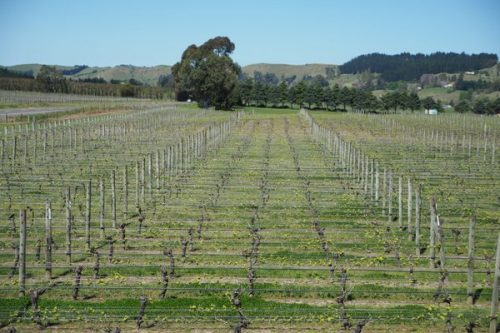
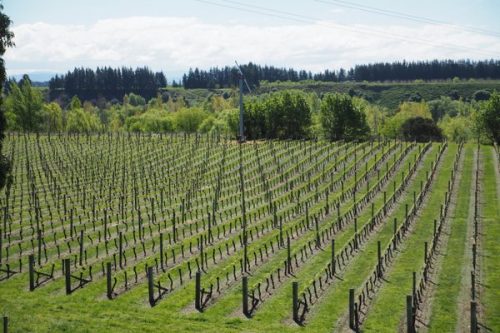
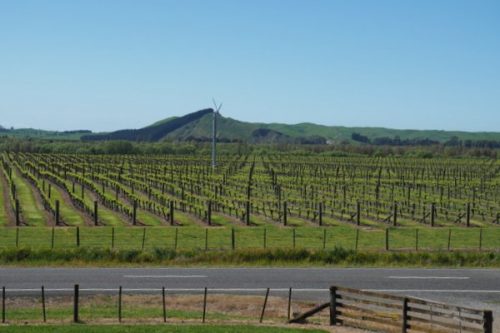
We took a drive up the Ngaruroro River, to the Mangatahi Terraces. Over the river are the Crownthorpe Terraces. These are more elevated sites with climates better suited to Pinot than some of the more prominent Hawke’s Bay sub regions. The climate is similar here to other top Pinot regions, but there’s general better flowering and more consistent cropping. The soils are a mix of gravels, clay and limestone.

The first vineyard we looked at is the Plateau, which has 1300 GDDs compared with 1500 at Bridge Pa. It’s at 150 m altitude, and used to be a feed lot for sheep before they were shipped overseas. The second visit was Springstone, which is a bit further in and lies at 180-200 m. Cairn believes that Hawke’s Bay should be taken more seriously, and makes a range of them.

Sileni Cellar Selection Pinot Noir 2018 Hawke’s Bay, New Zealand
($13 in supermarkets) 80% inland – Mangatahi and Crownthorpe, and 20% coastal vineyard. Production is around 40 000 cases. Very pretty red cherry and plum fruit with nice spiciness. Lovely texture here with a grainy, stony edge. Quite Gamay-like with lovely supple fruit. Super-drinkable, with some black tea hints. 88/100

Sileni Plateau Pinot Noir 2017 Hawke’s Bay, New Zealand
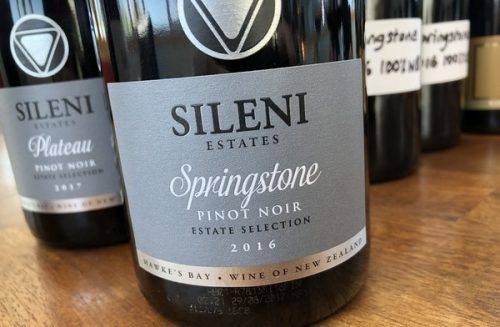
$32 retail. 80% from the Plateau Vineyard. Very stylish and supple with nice grainy structure. Red cherries, black cherries and fine herbs. 9 months in barrel, with 18% new oak. Some subtle warm herbal notes with nice finesse. 92/100

Sileni Springstone Pinot Noir 2016 Hawke’s Bay, New Zealand
$35 retail. Entirely from the Springstone vineyard. First time Cairn has used some whole bunch in his Pinot Noir, and this is 50%. No new oak. Supple and fresh with red cherry and raspberry fruit. Lovely smooth texture here with refined fruit and nice structure. Shows freshness with a bit of sappy brightness as well as ripe fruit. 94/100

Sileni Springstone Pinot Noir 100% Whole Bunch 2016 Hawke’s Bay, New Zealand
This is a pair of wines that will be auctioned in 3 Litre bottles for the Hawke’s Bay Charity Wine Auction. Complex fine herbal nose with a savoury edge to the cherry and raspberry fruit. The palate has a slightly minty herbal dimension with some brightness to the fruit. Fresh and structured with nice focus. 93/100

Sileni Springstone Pinot Noir 100% Destemmed 2016 Hawke’s Bay, New Zealand
Brooding black cherry nose with some meaty hints. Dense with good structure and pure, fresh black cherry fruit and some raspberry freshness. Juicy and intense with nice brightness, but also some meaty depth. 93/100

Sileni Exceptional Vintage Pinot Noir 2013 Hawke’s Bay, New Zealand
$70 retail. Brooding aromatic nose with some meaty hints and a bit of Bovril and malt development. Concentrated, smooth, ripe palate with mint and meat, as well as ripe berry fruits. Quite broad and full in the mouth. Mellow and mature with a spicy finish. 91/100

Sileni Exceptional Vintage Pinot Noir 2014 Hawke’s Bay, New Zealand
Broad, mellow and texturally rich with notes of cherry, plum and some beefy meatiness. Nicely developed with a savoury edge to the fruit. Has some warm herby characters. Quite developed. 91/100

Sileni Exceptional Vintage Pinot Noir 2015 Hawke’s Bay, New Zealand
Supple and textural with a rich black cherry and plum fruit character, as well as some meaty savouriness. Warm and a bit spicy with a refined, mellow mid-palate. Lush and generous but with a fresh finish. 92/100


from Jamie Goode’s wine blog http://www.wineanorak.com:/wineblog/new-zealand/hawkes-bay-new-zealand-5-sileni-and-their-pinot-noirs

For Fine Wine Investment opportunities check out Twelve by Seventy Five: http://www.twelve-by-seventy-five.com/

from
https://twelvebyseventyfive.tumblr.com/post/179205670807