Monday, December 31, 2018

Tscheppe, Vinding and Vincent Paris: three nice wines at Brackenbury Wine Rooms

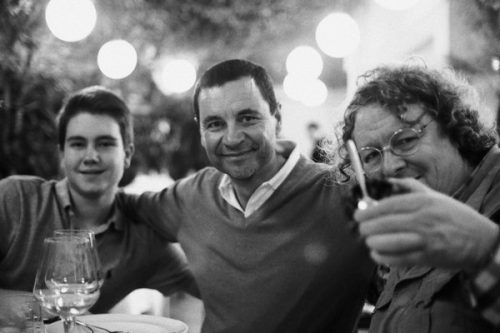
Met up with Thor Gudmundsson the other night at Brackenbury Wine Rooms to drink and chat. Thor has two Wine Rooms locations, in Brackenbury (Hammersmith) and in Kensington, and both have really interesting wine lists. They offer something for everyone, with lots of different wines available to taste on their enomatic machines. These aren’t super geeky locations, although there’s enough geeky wine on the list to appeal to folk like me. The main thing is that these are solid wine-focused places with good food. I love them.

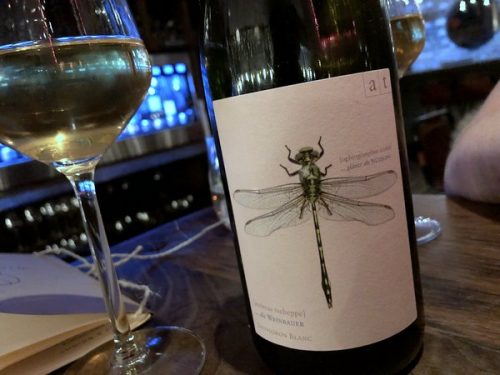
Andreas Tscheppe Grüne Libelle (Green Dragonfly) Sauvignon Blanc 2016 Stryia, Austria
13% alcohol. This is mineral, reductive and stony, yet at the same time has some rich apple and pear fruit with some oxidative hints. There is a lovely acid drive here: it’s linear and precise with superbly managed reduction. So tensile. I love the way the acid feels on the tongue. 94/100

Vinding Montecarrubo Il Piccolo 2017 Sicily, Italy
This is a blend of Syrah, Cabernet Franc and Merlot. 14% alcohol. Lush, sweet and yet stll focused with good concentration of black cherries and blackberries with some olive and meat richness. Stylish in a ripe mould. 92/100

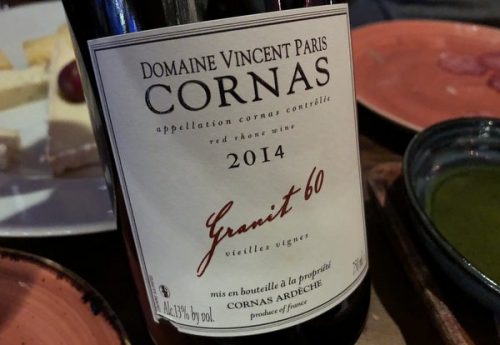
Domaine Vincent Paris Cornas Granit 60 Vielles Vignes 2014 Northern Rhône, France
This is lovely, and still so young. Has a roast coffee, spice, tar reductive edge to the nose. Dark and reductive yet with nice sweet black cherry and blackberry fruit with some pepper and warm herb characters. There’s lovely density of ripe fruit here. Very fine. 95/100


from Jamie Goode’s wine blog http://www.wineanorak.com:/wineblog/austria/tscheppe-vinding-and-vincent-paris-three-nice-wines-at-brackenbury-wine-rooms

For Fine Wine Investment opportunities check out Twelve by Seventy Five: http://www.twelve-by-seventy-five.com/

from
https://twelvebyseventyfive.tumblr.com/post/181577937847

Sunday, December 30, 2018

Exploring the wines of Greece: 25 of my favourites

Last year I travelled to Greece and did a quick-fire exploration of some of the country’s top wines, aided by Giannis Siganos of wine shop and importer Mr Vertigo. It’s taken me a little while to get round to producing this list, but here are 25 of my favourite wines. Over the next few days I’ll be posting short producer profiles of some of the top wineries. Greece is definitely a country to watch.

Hatzidakis Assyrtiko de Mylos Vielles Vignes 2016 Santorini, Greece
Very rich and bold textured with spice and apple, and a vivid bite to it. Crisp and intense with lovely precision allied to ripeness. Has a pithy, mineral edge. Such interest here: superb stuff, with so much concentration and salinity. 95/100

Sclavos Vino di Sasso Robola de Céphalonie 2015 Greece
From limestone soils. Amazing precision with a fresh acid core and some richness of texture. It’s linear and the acid is so well integrated with the pear and table grape notes. Smoky and mineral in the background, but also so generous. 94/100

Sclavos Synodos 2014 Slopes of Enos, Cephalonia, Greece
This is a red wine that’s a blend of Mavrodaphne with a bit of white grape Vostilidi. It’s from ungrafted vines aged 40 years or more. It’s beautifully floral, ripe and sweet wth silky berry fruits. Very smooth with some peppery detail and lovely finesse to the ripe, lush fruits. 93/100

Ligas Kidonitsa Barrique 2015 Pella, Greece
This is made by taking the end off a barrel and fermenting the white grapes as if they were red. It’s a deep orange colour, with a bronze hint. Marmalade, spice, nuts and pears with some grip under the tangerine and lemon fruit. Some cold tea character and a bit of fruit sweetness, with nicely integrated tannins. Lovely stuff. 93/100

Skouras Megas Oenos 2003 Nemea, Greece
12.5% alcohol. This was the first ‘super-Nemea’ wine, and it’s a blend of 80% Agiorgitiko and 20% Cabernet Sauvignon, first made in 1986. It’s aromatic, sweet and leathery with black cherries, plums and lovely ripe fruit. There’s an elegant, mature character with herbs, leather, black cherries and blackberry fruit. Textural, mature and stylish, and drinking well now. 93/100

Sigalas Kavaleiros 2015 Santorini, Greece
Single vineyard Assyrtiko that spends 18 months on its lees in stainless steel. Very stony, salty and mineral, with direct citrus fruit, some pear and a hint of sweetness. 93/100

Hatzidakis Cuvée No 15 2015 Santorini, Greece
Organic Assyrtiko. There’s a lovely nutty edge to the fruit. Citrus, nuts and pears with nice freshness and lots of depth. Stony, nutty and delicious. 93/100

Markovitis Winery Xinomavro 2012 Naoussa, Greece
13.5% alcohol. This is just so good, and very Nebbiolo like. Slightly faded red colour with a bricking rim, this is structured and savoury, but also has nice cherry, strawberry and raspberry fruit. Some notes of tar and spice, and some attractive floral character, too. It has elegance, but also quite grippy tannins, very much in the Barolo mould. 93/100

Biblia Chora ‘Ovilos’ 2016 Pangeon, Greece
A blend of Assyrtiko (40%) and Semillon (60%). Complex grapefruit, lemon and pear fruit with nice nuts and spice. Has richness, complexity and also freshness. Nice weight and focus: very stylish. 93/100

Vassiltis Santorini 2015 Santorini, Greece
100% Assytriko. Hints of nuts with some lovely mineral character. Has some pear fruit with a bit of citrus, but there’s nice development here, and a saline, mineral finish. 92/100

Papaioannou Estate Old Vines 2010 Nemea, Greece
Organic, 100% Agiorgitiko. This has a lovely savoury, mineral edge to the red cherries and raspberries, as well as nice texture. Mellow with nice savouriness and some appealing stony texture. Still has plenty of fruit, too. 92/100

Doulofakis Dafnios Red 2015 Dafnes, Greece
This is 100% Liatiko. Vivid and fresh with stony, savoury damson, plum and red cherry fruit. Light with nice texture, tannin and acid. Sour and stony; this needs time. 92/100

Gaia Estate Assyrtiko ‘Thalassitis’ 2011 Santorini, Greece
Really expressive and open with a creamy edge to the nutty citrus fruit and some lovely minerally acidity under the developed fruit. Expressive with real interest. Lovely purity and a citrussy finish, as well as almond hints. 92/100

Petrakopoulos-Melissinos Robola Bio 2016 Cephalonia, Greece
Slight minty edge to the stony lemon and pear fruit. Direct and linear with a savoury twist. Quite lovely. 92/100

Domaine de L’Acopalypse Patoinos Assyrtiko 2016 Dodecanese, Greece
Deep yellow/orange colour. Rich but fresh with spicy peach and melon flavours. Richly textured with a fine spiciness and some hints of marmalade. This has lovely richness but it’s not at all heavy or clumsy. 92/100

Tetramythos Roditis Orange Wine 2016 Greece
Apples, pears, some spice and a hint of raisin. Nice weight with a bit of structure. 91/100

Lyrarakis Dafni Psarades Vineyard 2015 Crete, Greece
Dafni is a white variety whose name translates as bayleaf in Greek, and Lyrarakis saved it from extinction in the 1970s. Distinctive mint and rosemary herb character to the lemony fruit. So fresh and distinctive. Herbal and interesting. 91/100

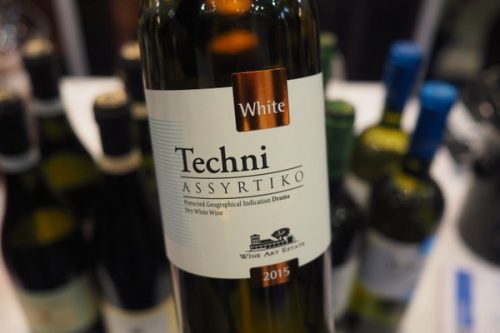
Wine Art Assyrtiko Unoaked 2011 Drama, Greece
Pure and lively with fresh citrus fruit. Some tangerine richness, nice spiciness and a lively spicy edge. Has some toasty development here. 91/100

Ieropoulos Aras 2014 Nemea, Greece
This is 100% Agiorgitiko. Sweetly floral, aromatic cherry fruit nose leads to a supple palate with fresh raspberry and cherry fruit. Nice freshness and grip. 91/100

Haritatos Vineyard Mavrodaphne 2016 Slopes of Eneos, Greece
Grippy and vivid with intense tannins. Firm and direct with lovely black cherry fruit. Grippy, pure and vivid. 91/100

Rhous Tamiolakis Skipper Red 2014 Crete, Greece
This is 50% Kotsifali and 50% Mandilaria. It’s an ancient classic red of Peza in Crete. Lovely savoury, spicy, slightly earthy edge to the sweet cherry and plum fruit. Has a nice presence: stony and delicious. 91/100

Karadimos Family Palaiokastra Malagousia 2015 Atalanti, Greece
Linear, stony, generous and rich with some pear and melon fruit. Fine spices with some ripe apple notes. A rich, fruit-driven white with some oxidative hints and nice depth. Distinctive. 91/100

Kir-Yianni Ramnista Xinomavro 2015 Naoussa, Greece
14.5% alcohol. This is vivid with a bit of mint and spice, as well as fresh raspberry and black cherry fruit. Smooth and stylish, this is a ripe interpretation of Xinomavro, with just a bit of its trademark tannic grip on the finish, lurking under the attractive fruit. 91/100

Mylonas Savatiano 2013 Attiki, Greece
Apricot and herb with some tangerine on the nose. Nice weight on the palate with herb and mint notes. 90/100

Thymiopoulos Earth and Sky 2015 Naoussa, Greece
100% Xinomavro. Fresh, supple, elegant style with sweet cherries, plums and some warm spiciness. Ripe and seductive with nice structure, finishing sweet and grippy at the same time. A bit meaty. 90/100

Find these wines with wine-searcher.com


from Jamie Goode’s wine blog http://www.wineanorak.com:/wineblog/greece/exploring-the-wines-of-greece-25-of-my-favourites

For Fine Wine Investment opportunities check out Twelve by Seventy Five: http://www.twelve-by-seventy-five.com/

from
https://twelvebyseventyfive.tumblr.com/post/181544164707

Saturday, December 29, 2018

In Argentina (2) visiting Costa y Pampa, a winery in a new viticultural region

It’s not often you get to visit a vineyard that’s the first in a new viticultural region. But that’s what Costa y Pampa, Trapiche’s latest project, is.

I visited on a sunny summer’s day, flying into the resort town of Mar del Plata and then driving along the coast for about an hour.

The Estancia

The region here is known as Chapadmalal, and the estate’s name is Santa Isabel. The owner of the 800 hectare estate is a good friend of Daniel Pe (Trapiche’s chief winemaker), and Daniel persuaded him it might be a good idea to have a vineyard here. Daniel had been thinking for a while that it was unsual that Argentina had no coastal vineyards, and in 2009 they began planting Pinot Noir, Sauvignon Blanc and Chardonnay. Later on, Riesling, Gewurztraminer, Malbec, Cabernet Franc, Cabernet Sauvignon and Merlot were added in smaller quantities.

2012 was the first vintage, made in Mendoza, and the quality was encouraging so they decided to go full speed ahead. In 2013 they began building the winery, and also hired Daniel Pi’s nephew Ezequiel Ortego as winemaker, who I visited with.

Ezequiel Ortego

In 2014 they built the cellar door, and in 2015 planted Albariño for the first time.

Wind is one of the viticultural challenges here: you can see the effects of wind stress on the vines. Initially, row orientation of the vineyard was decided to let the prevailing winds blow up and down the rows, with the thought being that this would help with disease pressure. Now, though, the newer plantings are the other way so that the first couple of bays bear the brunt of the wind and protect the remainded. No irrigation is needed, as the Atlantic influence (6 km away) results in an annual rainfall of 1000 mm/year. There’s a healthy 12 C diurnal variation in temperature in the peak of the growing season.

Wind-affected growth

Another challenge is ants, and yet another is the local parrots. Costa y Pampa have left a half-hectare vineyard block near some trees where the birds roost that they basically surrender to the birds each year: it means they leave the rest of the vineyard alone. Frost is also a problem in spring, and is fought with smudge pots.

Soil: volcanic loam over a limestone base

So far, the 800 hectare estate has 25 hectares of vines. ‘We are still in an experimental phase,’ says Ezequiel, ‘and we are still learning. Every year presents new challenges.’

Young plants

In 2019 they are going to plant a new vineyard even nearer the coast (100-500 m). ‘There is a big potential in this region, but we need to learn to understand the climate and the other factors like the parrots and ants that we don’t have in Mendoza,’ says Ezequiel. ‘Another challenge is to get people to adjust from the sort of farming they do here to viticulture, which is more delicate.’ It can be a challenge to get local people to work in the vineyards – in the past they’ve lost them to other crops such as kiwi fruit. 50% of people working in the vineyard can’t read or write, which is a challenge.

2017 was a difficult vintage, with 200 mm rain just before harvest – the vineyard was practically flooded, and grapes were full of water. The wines have turned out pretty well, though. 2018 is stronger, but there was quite a bit of hydric stress from a very dry beginning to the season. The wines retail for £15-18 in the UK.

Costa & Pampa Sauvignon Blanc 2017 Chapadmalal, Buenos Aires, Argentina
11.9% alcohol. 48 h in the press and to tank (to get some flavour), and used the lees very cold for five days. It was a tough process to make a wine that wasn’t watery. This is linear and fresh with crisp lemony fruit, a twist of grapefruit and some nice grassy aromatics. Has nice freshness and good acid (8 g/l TA). 90/100

Costa & Pampa Sauvignon Blanc 2018 Chapadmalal, Buenos Aires, Argentina
Lively with nice precision and some tropical fruit notes. Has some elderflower, too. Linear citrussy palate. Very cool climate. 91/100

Costa & Pampa Riesling 2018 Chapadmalal, Buenos Aires, Argentina
Just 1000 litres made. Bright and fresh with nice citrus/lime fruit. Has nice intensity and good acidity with generous, textured citrus fruit. 92/100

Costa & Pampa Pinot Grigio 2017 Chapadmalal, Buenos Aires, Argentina
First vintage, less than one bunch per plant. 2 hectares of Pinot Gris, gave 500 ltres of juice. This is linear and focused with a slight savoury, earthy undercurrents to the apple, grape and pear fruit. Dry, textured and with keen acidity. 88/100

Costa & Pampa Gewurztraminer 2018 Chapadmalal, Buenos Aires, Argentina
Floral nose with nice lychee character. Textured with smoothness and freshness. Dry in style with pretty grapey fruit. 90/100

Costa & Pampa Albariño 2017 Chapadmalal, Buenos Aires, Argentina
11.5% alcohol. This was the first year and it was made more like a Chardonnay; in the second year it was made more like a Sauvignon. This has lovely grainy texture and keen acidity. Notes of tangerine and lemons with a bit of spiciness. Quite lean with good acidity and a brisk lemony finish. 90/100

Costa & Pampa Albariño 2018 Chapadmalal, Buenos Aires, Argentina
Floral, peachy nose with some nectarine. Lovely fruit here with nice pear and apricot richness. Very pure and expressive. 92/100

Costa & Pampa Chardonnay 2017 Chapadmalal, Buenos Aires, Argentina
Stainless steel and barrel ferment. Fruity and bright with a nice lemony core, as well as some juicy orange characters. There’s a twist of hazelnut, too. Very bright and linear, with a touch of vanilla, too. Fresh but not yet integrated. 87/100

Costa & Pampa Chardonnay 2018 Chapadmalal, Buenos Aires, Argentina
20% barrel ferment, 20% in concrete egg, 60% in tank. A very fresh, bright, linear chardonnay with some structure and subtle pear richness. Quite linear but also has depth. 92/100

Costa & Pampa Pinot Noir 2016 Chapadmalal, Buenos Aires, Argentina
12 months in 3rd and 4th use French oak. Light in colour, this is a pure, bright, fruity expression of Pinot Noir. It’s primary and shows off red cherry and strawberry fruit. Easy and generous and quite elegant, in a simple fruity style. 89/100

Costa & Pampa Pinot Noir 2017 Chapadmalal, Buenos Aires, Argentina
This has a bit of structure: it’s fresh and elegant but has some spicy detail. Grippy and quite fresh with nice red cherry and plum fruit, finishing nicely spicy. Really appealing with a twist of savoury mineral character. 91/100

Costa & Pampa Extra Brut NV Chapadmalal, Buenos Aires, Argentina
This is 2016. Traditional method, 18 months on lees. 80% Chardonnay, 20% Pinot Noir, 5 g/l dosage. Very fresh and fruity with good precision. Shows pear and citrus with a twist of pineapple richness. Very fruity and expressive and quite delicious in a fruit-driven style. 90/100

Costa & Pampa Brut Rosé NV Chapadmalal, Buenos Aires, Argentina
2016 vintage, 5 g/l sugar, 80% Pinot Noir, 20% Chardonnay. Has Sauvignon Blanc in the liqueur d’expedition. Exuberantly fruity with a nice sappy, leafy edge to the tangerine and cherry notes, and some nice elderflower hints. Very bright, fruity and delicious. 90/100

Find these wines with wine-searcher.com


from Jamie Goode’s wine blog http://www.wineanorak.com:/wineblog/argentina/in-argentina-2-visiting-costa-y-pampa-a-winery-in-a-new-viticultural-region

For Fine Wine Investment opportunities check out Twelve by Seventy Five: http://www.twelve-by-seventy-five.com/

from
https://twelvebyseventyfive.tumblr.com/post/181523401667

Thursday, December 27, 2018

Are the fake half-price wine deals returning?

A few years back wine writers in the UK campaigned against the fake half-price supermarket wine deals. I even did some filming for Rip Off Britain where we went undercover to a few supermarkets to expose this rather dishonest practice.

Using price reductions to promote products is nothing new. Some industries – such as kitchens and furniture outlets – seem never to sell any products at anything close to full price. Bizarrely, consumers never question this. How can a business survive if they are consistently selling products at half price? How much margin would they have to make on regularly priced products to still make something selling at half price?

For wine, a product category I know well, I find it to be a dishonest retail strategy. The model is to take a cheap ‘soft brand’ wine and then use it as a trade driver. Where a bottle would retail with normal margins at price X, the wine is listed at double X, and then at regular intervals it is retailed at price X – half price. The wine will be sold at full price only in the legal minimum number of stores, and then will find shelf space in the majority only when it’s on offer. Some brand owners deliberately created products that were trade drivers, such as Hardys Crest which was £10 full price but £5 on discount.

A few years ago, supermarkets began withdrawing these sorts of dishonest deep discounts. We were happy, because they aren’t good for the category. But today at Tesco I saw the reappearance of the half price wine deals.

There were two products on shelf. One was a Central Valley Sauvignon Blanc from Chile, made by the Concha y Toro group and bottled at Greencroft. High Tide is actually an Isla Negra brand, but this isn’t an Isla Negra wine according to the label. It’s not a £12 wine. The second is the Barossa Drive Shiraz, which is a soft brand exclusive to Tesco and bottled by Kingsland. Again, this is not a £12 wine in terms of value. I haven’t tried either so I can’t comment further, other than to say that I hope this isn’t the beginning of the resurgence of the fake half-price wine deals.


from Jamie Goode’s wine blog http://www.wineanorak.com:/wineblog/uncategorized/are-the-fake-half-price-wine-deals-returning

For Fine Wine Investment opportunities check out Twelve by Seventy Five: http://www.twelve-by-seventy-five.com/

from
https://twelvebyseventyfive.tumblr.com/post/181462816657

Wednesday, December 26, 2018

2018 in review: quite a year (part 2 of 2)

June finished with a five day, four city trip to Ireland to promote Beaujolais wines with a series of masterclasses. We did Cork, Dublin, Galway and Limerick. Here I am with Phoebe and Christina, my fellow travellers, and Mick, who showed us some good spots in Dublin.
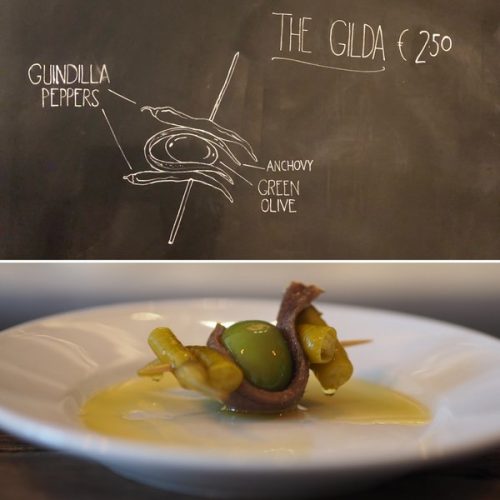
The Gilda, at the fab Fish Shop, where we ate and drank well.

This was an amazing meal at Aniar in Galway.

Galway, Ireland

Limerick, our last stop.

Then we had a Beaujolais magnum party at Magpie, with some cool folk.

At the beginning ion July I met Nat in Hong Kong, and we had a great time exploring.
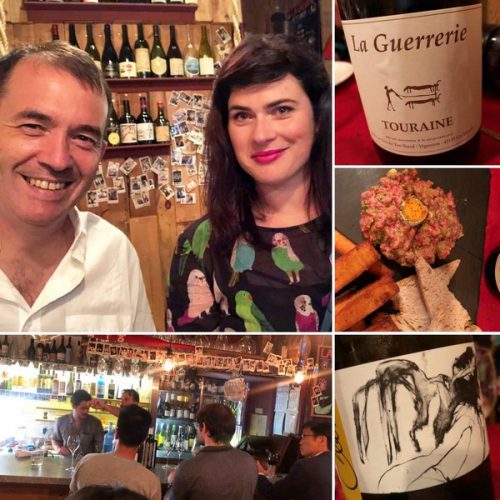
This was at a natural wine bar: La Cabane.

At the International Wine Challenge dinner we celebrated the winners, including a special award for Rosa Kruger, the viticulturist behind the Old Vine Project in South Africa.
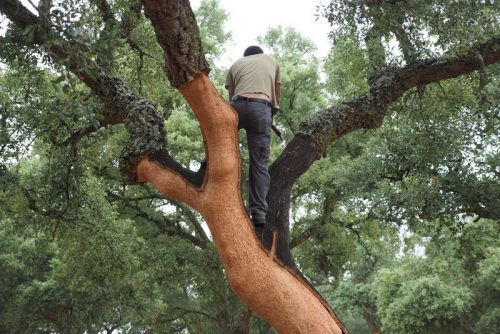
Then a brief trip to Portugal with Cork Supply to witness the cork harvest in action. Screw cap lovers look away now!
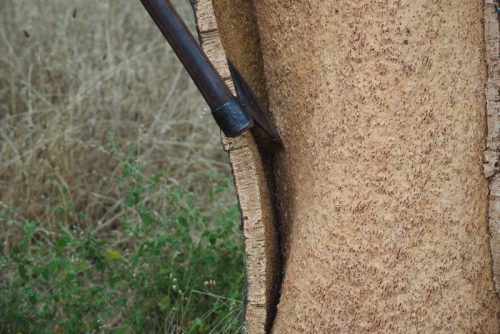
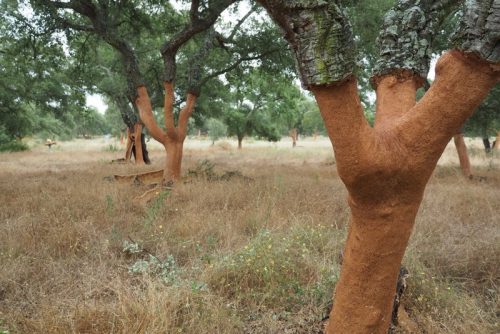
Stripped cork trees

Then it was off to Ontario, Canada. The trip began with a brief but fabulous holiday living the Canadian dream in Muskoka. My friend Nicole and her family were taking a break in their lake front cottage, and along with Thomas and Mary Bachelder and Mackenzie Paton (who was interning with Nicole’s dad at Lifford), we had a fun few days.

Then in Toronto I hosted a Canadian Association of Professional Sommeliers Pinot Party at Gifford, and also (pictured above) a tasting of interesting wines for the Grape Witches at Paris Paris.

Then it was time for i4C, the cool climate chardonnay celebration held each year in Niagara. I’m pictured here retrieving a football that someone had kicked into the Ravine vineyard.

This is the vineyard at Flat Rock – you can see the lake in the distance. At i4C itself there were some great events and tastings, and it was a lot of fun.

Roberto Echeverria and Thomas Bachelder

Michael Godel and Magdalena Kaiser

Rajat Parr, Sandhi and Evening Land

David Patterson, Tantalus

Back in London and my new book arrived!

And we had an epic party at Greg Sherwood’s place for no particularly good reason. Pictured: me, Gareth Birchley, Greg and Neal Martin.

August also saw my first visit to the vineyards of New York State, for an extensive 10 day trip that included some down time at the end in New York City.

We caught up with Pascaline Lepeltier and Nathan Kendall who are making Pet Nat from hybrid grapes.

Drinking unicorn natural Alsace Rosé in the Ten Bells. Part of the action packed exploration of some of the city’s best drinking and eating spots.

And we stopped off to taste at the fab Red Hook winery in Brooklyn.

Back in New Zealand in late August, and Nat and I spent a couple of weeks looking after Takaki Okada’s baby lamb Gabi. It was a slightly surreal but very cute experience.

We had a weekend away in Golden Bay. Among other things we went back to the magical Pupu springs, and explored the source of the Rikawa and hiked to the Wainui falls.

The Source

We stayed in this brilliant van at Golden Bay Hideaway, which had an outdoor bath.

Flying out of Blenheim you almost always get amazing views of the Marlborough wine region.

In September I spent a weekend in Sweden, doing a talk for the Swedish Association of Winewriters, and then heading to Gothenburg to visit Wine Mechanics, an urban winery and wine bar.

The big highlight of September was Cape Wine, the trip-annual event that sees everyone descend to Cape Town for a celebration of South African wine. This year was the best yet. So many good wines. The Cravens (above) show the spirit of fun that was embodied by the Zoo Cru stand, who decided to adopt an 80s theme.

The beautiful Banghoek Valley in Stellenbosh.

Smileys on form. Such cool wines.

One of the highlights for me was being able to take part in an amazing tasting of old Cape wines.

Thrilled to have made it onto the wall at Duncan Savage’s new winery.

Then, at the beginning of October, it was back to New Zealand, a trip that started with judging for New Zealand Wine of the Year in Auckland.

Some of my fellow judges – a fine crowd.

I then spent some time in Hawke’s Bay, visiting an interesting selection of producers. Pictured above is Tony Bish in his urban winery.

Then it was off to Marlborough, where I spent a lovely few days exploring the Wairarapa, or Wellington Wine Country as it is now known. These were some new Pinot discoveries.

Dry River, Martinborough

Then back to Blenheim again. This is the view from a hike in the sounds.

Here I was one of the judges of the Marlborough Wine Show.

And here we’re in the judges’ dinner.

At the beginning of November, I had a short break in Montreal. I went to the RAW wine fair, caught up with the Grape Witches, and then for the next few days hung out with chums Claude and MC eating and drinking. Above is restaurant L’Express, where we lunched one day.

This basically sums up the drinking part. Lots of good wine to be found in Montreal.

And then on a whim I decided to visit my mate Burns in Verona. It was a wonderful couple of days: perfect weather, a beautiful city, and some great eating and drinking.

November also sees Tranche 1 of the International Wine Challenge. A good week.

A memorable meal in Chinatown with Daniel Primack.

And possibly meal of the year at the Ledbury.

And in terms of what was drunk, the Bojo Nouveau evening gathering at Terroirs probably topped it, draining unicorns and cool things off their fab list.

A beautiful four days in Porto. Treve Ring was out to research a story on Cha Camelia’s tea plantings in the Minho, so I joined in, hanging out with Dirk Niepoort, Vitor Bento and others.

Alfonso, Vitor and Dirk

November ended with a visit to the Veneto, where I spent time with Masi, and learned all about making wine with semi-dried grapes.

There was also some time visiting Canevel, in Prosecco country.

And in December, I travelled to Argentina, spending time with the wineries in the Penaflor group, including Trapiche in Mendoza, and El Esteco in Salta.

This is an old pergola-system Cabernet Sauvignon vineyard.

I also spent time in Buenos Aires, and took a day trip to visit a winery they’ve established in a new coastal location near Mar del Plata, called Costa y Pampa.

December finished with a flurry of eating and drinking, including a wonderful dinner at Noble Rot with some astonishing wines. A fitting end to an event-filled year. Here’s looking forward to 2019, and who knows what this next year will contain. I’m grateful still to be here, to have good friends, and a job I really enjoy.

Here’s my review of 2017 – Part 1, Part 2, Part 3, Part 4

2018 review: Part 1, Part 2


from Jamie Goode’s wine blog http://www.wineanorak.com:/wineblog/uncategorized/2018-in-review-quite-a-year-part-2-of-2

For Fine Wine Investment opportunities check out Twelve by Seventy Five: http://www.twelve-by-seventy-five.com/

from
https://twelvebyseventyfive.tumblr.com/post/181434713062