Sunday, April 30, 2017

Discussing sweet wines, with notes on 18 interesting bottles

OLYMPUS DIGITAL CAMERA

Sweet wines aren’t all that fashionable, but they are delicious. The best sweet wines are among the most complex and concentrated expressions of the vine possible, and in past times they occupied the pinnacle of the fine wine tree. We’ve kind of neglected them of late, partly because in these alcohol-consumption-conscious days we seldom manage to find room for them at the beginning or end of a meal. But I hope that their time will come again.

There are a number of different ways of making sweet wines, but the general principle is to concentrate the sugar levels in some way. The simplest way is to hang the grapes on the vine for longer, resulting in massive sugar levels: late harvest style (a great example would be the natural sweet wines of Constantia, made from very ripe grapes that have raisined a bit on the vine). Then, when fermentation is complete, there will be sugar left in the wine. One variation on this theme is to stop fermentation before all the sugar is used up (as occurs in German pradikat wines), either by chilling or adding high levels of sulfur dioxide, or both. Or the same ends can be achieved by fortifying the wine while fermentation is still underway, taking the alcohol levels to toxic levels (this occurs in Port, or in Vin Doux Naturels of the south of France).

One way of concentrating sugars is to dry the grapes after harvest (Pedro Ximenez in Jerez). Another is to cut the cordons and leave the grapes to shrivel on the vine before harvest. Perhaps the most extreme method is to leave the grapes on the vine until the onset of winter, then pick them and press them while they are mostly frozen, resulting in massive sugar and acid levels: ice wine. Another famous method is to let nature do it, as in ‘noble rot’. Here, botrytis attacks healthy, ripe grapes and causes them to shrivel, concentrating sugars and acids, and also changing the metabolism of the grapes so they produce chemical precursors that result in exotic apricot and passionfruit flavours in the wine.

I trawled my stash of wines and pulled out a large batch of sweet ones, which I then tasted over a couple of evenings. These are my notes.

Stella Bella Pink Muscat 2012 Margaret River, Australia
8% alcohol
£10.95 agent Alliance Wine
This has aromas of mint and herbs with some cherry and raspberry. The palate is quite creamy and rounded with a fresh citrussy twist. It’s slightly fizzy and has lovely texture, but I don’t think it was meant to be cellared for five years. Not bad but no more than that. 87/100

Domaine Cazes Muscat de Rivesaltes 2009 Vin Doux Naturel, Roussillon, France
15% alcohol
A blend of Muscat d’Alexandrie and Muscat Petit Grains, farmed organically. Distinctive stuff with some hints of mint and ripe table grapes, along with some barley sugar and spirit notes. It’s concentrated and quite viscous with some savoury herb and mint characters jostling with the sweet grape and syrup characters, finishing quite warm. Lots of personality here, but perhaps it’s best young and vital? 89/100

Domaine des Forges Coteaux du Layon Premier Cru Chaume 2011 Loire, France
11% alcohol
£8.99 Waitrose
Honeyed and concentrated with a lovely citrus and straw character, as well as some savoury spiciness. This has some marmalade character, too, although it’s the thick cut style, with some grip and bitterness. Nice depth here with a savoury spiciness under the sweet fruit. Thought-provoking and potentially long lived. 92/100
OLYMPUS DIGITAL CAMERA

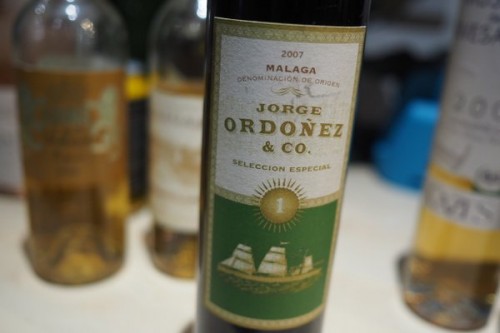
Jorge Ordonez & Co Seleccion Especial 1 2007 Malaga, Spain
13% alcohol
This is a collaboration between Jorge Ordonez and Gerhard Kracher, and the idea for this wine was devised by Jorge and Alois Kracher. The grapes are dried on the vines. Fresh, aromatic nose with fine herbs and sweet ripe table grapes. There are some crystalline fruit notes, too, and hints of mint. The palate is really fresh with lovely sweet grapey notes and some warm spiciness, as well as a hint of marmalade. It’s light and delicate, but complex and balanced too. This has developed really nicely in the bottle, and is still fresh and expressive. 93/100

Dr Loosen Riesling Beerenauslese 2006 Mosel, Germany
6.5% alcohol, bottled in a 187 ml bottle. Golden colour. Very lemony and bright with some apricot and honey notes. There’s a slight spiciness, too. Luscious and sweet but with some lime oil notes keeping things very fresh and tangy. Sweet and fresh, at the same time, this is delicious. Still primary and fruity at age 11. 92/100

Patricius Tokaj Katinka Noble Late Harvest 2011 Hungary
11.5% alcohol
Botrytized and regular berries are harvested together, macerated briefly and then fermented in oak. Corked

Mauregard Monbazillac 2007 France
13% alcohol
Marks & Spencer
From Yvon Mau. Lovely texture here with stony, wax and lanolin savoury notes together with some apricot and citrus peel characters. I find this Monbazillac character really interesting, with the savoury waxy notes quite pronounced. Is this from Semillon? Spicy and complex, and finishing savoury, despite the sweetness. 91/100

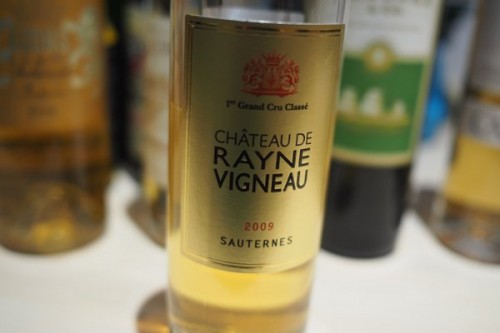
Château de Rayne Vigneau 2009 Sauternes 1er Grand Cru Classé, Bordeaux
13.5% alcohol
Very rich and intense with lovely viscous apricot, cantaloupe melon and pear fruit, with some honeyed richness. Very textural with great concentration, richness, smoothness and balance. This has a nectar-like richness to it. Sweet and very impressive with hints of cream, toast and toffee on the finish, which is really long. It might have a narrower dynamic range than the very very best Sauternes, but it’s still quite lovely, and serious. 93/100
OLYMPUS DIGITAL CAMERA

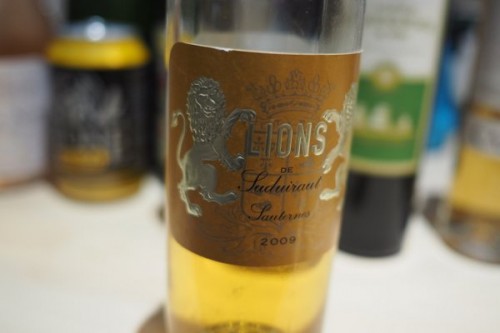
Lions de Suduiraut 2009 Sauternes, Bordeaux, France
14% alcohol
This is the second wine of Suduiraut. It’s beautifully textured and delicate, with a hint of cream and spice under some sweet pear and apricot fruit. Smooth and honeyed with a cedary spicy twist that adds some savoury interest. It’s drinking perfectly now in its mellow maturity. I like the creamy, grapey character. It’s moderately botrytised with a twist of spice, but this is enough. 91/100
OLYMPUS DIGITAL CAMERA

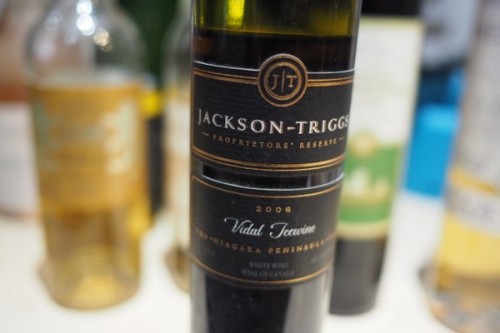
Jackson Triggs Proprietor’s Reserve Vidal Ice Wine 2006 Niagara Peninsula, Canada
10.5% alcohol
Harvested January 30th to February 21st 2007. Pressed at an average temperature of -10 C. 40 Brix, 228 g/l residual sugar. Highly aromatic with raisin, toffee and citrus. The palate has lovely acidity and notes of dried tea and spice, with grapes and raisins, as well as a hint of apricot. Age has added richness and some more of the raisin and candied fruit characters. Concentrated and delicious with a fresh finish. 92/100

Inniskillin Vidal Oak Aged Ice Wine 2006 Niagara, Canada
9% alcohol, 40 Brix harvest, 240 g/l residual sugar. Sweet and viscous with raisins, dried apricots, peach and some lemons. There’s richness and sweetness here, with a lot of raisiny sweetness, as well as a hint of vanilla. This has developed really nicely, and has some freshness balancing the mellow notes that have come from age. 93/100

Seifried Sweet Agnes Riesling 2010 Nelson, New Zealand
10.5% alcohol
This fruit is partially (artificially) frozen before pressing. Yellow/gold colour. Pithy, citrussy nose with some orange peel and honey notes. There’s a viscous, slightly oily character to the palate with some creamy notes, and bright, vivid, pithy lemony fruit. Finishes with marmalade and lemon curd, and brisk acidity. Attractive, but better young I reckon. 89/100

Yealands Estate Noble Sauvignon Blanc 2014 Awatere, Marlborough, New Zealand
11.5% alcohol
Marmalade, honey, apricot and spice on the nose. The palate shows lovely depth of sweet peachy fruit with a subtle ginger and citrus peel twist, and lots of botrytis character. Lovely complexity to this wine which is now drinking at peak. Nice acidity keeps things in balance. So expressive. 93/100
OLYMPUS DIGITAL CAMERA

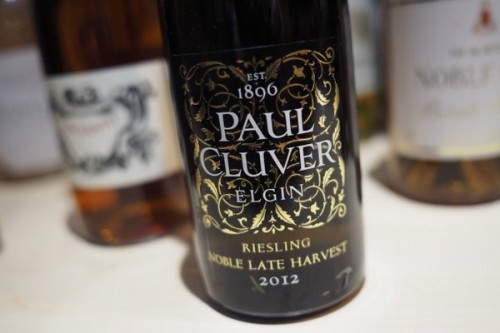
Paul Cluver Riesling Noble Late Harvest 2012 Elgin, South Africa
9.5% alcohol
Fine aromatics of grape, raisin, citrus and honey. The palate is sweet yet quite fresh with spicy citrus and marmalade notes, some apricot, and pithy, minty freshness. Nice tension here between the lemon and orange peel freshness and the richer, raisin and table grape sweetness. 92/100
OLYMPUS DIGITAL CAMERA

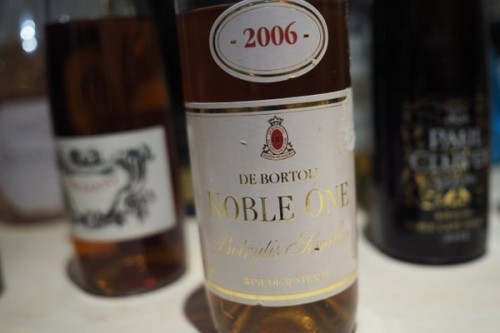
De Bortoli Noble One Botrytis Semillon 2006 New South Wales, Australia
10% alcohol
Gold/bronze colour. Very rich and spicy, with ginger, herbs, apricot and sandalwood characters in the mix. Really complex on the palate with cedar spice, marmalade and apricot, with some lemon peel freshness on the finish. Really intense and spicy, with lots of appeal. This has developed really well. 94/100
OLYMPUS DIGITAL CAMERA

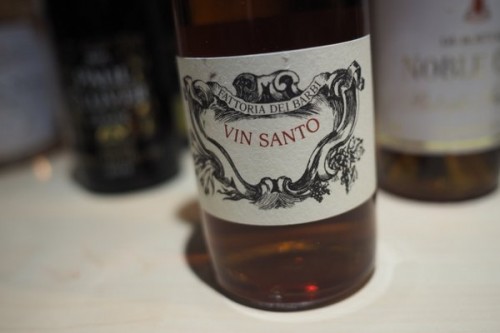
Fattoria dei Barbi Vinsanto del Chianto 2007 Tuscany, Italy
16% alcohol
Bronze/brown colour, with some red hints. Sweet, spicy, cedary nose is really lively. The palate has a savoury cask quality, some sweetness, hints of baked apple and cinnamon, and some citrus freshness. A remarkable combination of sweet and savoury with some oxidative notes coming to the fore. 91/100

Contero Brachetto D’Acqui 2012 Italy
5.5% alcohol
Think Moscato d’Asti but red. Fresh with red grape, cherry and spice characters, as well as some baked apple. Sweet, with the fizziness offsetting this, resulting in a sweet, refreshing, grapey wine. 89/100

Blind Spot Rutherglen Muscat NV Australia
17.5% alcohol
The Wine Society
Sweet and viscous with notes of raisin, tea, table grapes and toffee. There’s some treacle richness, too. It’s sweet but balanced with rich, raisiny fruit and some sweet alcoholic notes, together with some spiciness. Lovely. 92/100

Find these wines with wine-searcher.com

See also: Eating sugar: why old sweet wines often taste drier than they are


from jamie goode’s wine blog http://www.wineanorak.com:/wineblog/uncategorized/discussing-sweet-wines-with-notes-on-18-interesting-bottles

For Fine Wine Investment opportunities check out Twelve by Seventy Five: http://www.twelve-by-seventy-five.com/

from
https://twelvebyseventyfive.tumblr.com/post/160159827447

Saturday, April 29, 2017

Why the International Wine Challenge judging process is so rigorous: the co-chairs explain

IWC judging

So the two-week judging process of the International Wine Challenge (IWC) has finished. It has been hard work, but great fun, with a real sense of joint enterprise and community among the many judges who participated.

One of the reasons I’m proud to be associated with this competition is the rigour of the judging. Every wine gets a fair chance, and is taken seriously.

Judging wines blind is hard, and even for experienced professionals, it’s not an absolutely certain process. The panels at the IWC are very skilled, and are constantly refined by a feedback process, but even so, they occasionally miss a wine. That’s why the IWC has a unique three-stage process. There’s week one, where all wines are judged, and those deemed not medal worthy are kicked out. Then there’s week two, where all the surviving wines from week one are re-judged. And then there are the six co-chairs (I’m now one of these) who act as a safety net and moderate the results to ensure even judging, In week one we just look at the rejected wines, and can reinstate any we feel deserve a second chance. In week two, we check all the medals for consistency.

Here’s a film I shot yesterday interviewing my fellow co-chairs to explain our judging system: how it works, and why we think it’s strong, and especially fair on all the wines.


from jamie goode’s wine blog http://www.wineanorak.com:/wineblog/videos/why-the-international-wine-challenge-judging-process-is-so-rigorous-the-co-chairs-explain

For Fine Wine Investment opportunities check out Twelve by Seventy Five: http://www.twelve-by-seventy-five.com/

from
https://twelvebyseventyfive.tumblr.com/post/160131354067

Friday, April 28, 2017

Chapel Down Kit’s Coty wines, including the £100 Coeur de Cuvée

kits coty

These are some new releases from Chapel Down, one of the UK’s largest wineries. Chapel Down make very good sparkling and still wines, and they fulfil an important function: they are big enough to supply supermarkets and chains, but they produce quality wines that are well made and accessible. But they are also ambitious, and they’ve just released three high end wines from their Kit’s Coty vineyard, including a wine that is currently the UK’s most expensive, topping Nyetimber’s Tillington by another £20. The Kit’s Coty vineyard consists of 95 acres (38 hectares) of vines planted on chalky soils in the North Downs of Kent. The wines are made by Josh Donaghay-Spire, who has done a really good job. Is the Couer de Cuvée worth £100? That’s a hard question to answer, but it’s good to see English producers with the courage and confidence to make high-end wines and price them accordingly. Ultimately, the market will decide whether or not the pricing has gone too far.

Chapel Down Kit’s Coty Coeur de Cuvée 2013 England
12% alcohol. This is produced from only the very best blocks of Chardonnay within the Kit’s Coty estate, and is made from the first 200 litres/ton of the pressing of these grapes: the heart of the cuvée referred to in the name. Base wine is wild-fermented and matured on lees in French oak for seven months, and dosage is 6 g/litre. 1600 bottles made. The nose has some nuttiness and a bit of toast, as well as rich lemon and pear fruit. The palate is intense and focused with some honeyed, nutty oak character and a core of lemony fruit, with really well integrated acidity. Rich, intense and powerful, with nice freshness, but also some dried apple oxidative notes in the background. This needs some time to come together, but it’s pretty impressive in this youthful incarnation. 91/100 (UK retail £99)

Chapel Down Kit’s Coty Blanc de Blancs 2013 England
12% alcohol. Dosage 9 g/litre. Undergoes malolactic fermentation and 20% of the blend is matured in barrel. This is really attractive, with lovely citrus fruit with some pear richness, as well as a bit of chalky, pithy texture. There’s a hint of red apple, and a lovely rounded fruit-driven core to the wine. This has some richness, it has a brightness, and the high acidity is really well integrated and balanced by a touch of sweetness from the dosage (which is a touch on the high side). Very classy winemaking here. 91/100 (UK retail £39.99)

Chapel Down Kit’s Coty Chardonnay 2014 England
12% alcohol. Wild-ferment Chardonnay matured in old French oak for nine months. Restrained and subtle, but with good concentration. Lovely citrus and pear fruit with a bit of spicy oak in the background. Lingering lemony freshness with some stony minerality and lovely acid structure. This is quite Chablis-like, and it’s really convincing. I’m not a big fan of English still wines, but this is one of the very best I’ve had. 90/100 (UK retail £29.99)

These wines are available from Chapel Down directly, and high-end on-trade.


from jamie goode’s wine blog http://www.wineanorak.com:/wineblog/sparkling-wine/chapel-down-kits-coty-wines-including-the-100-coeur-de-cuvee

For Fine Wine Investment opportunities check out Twelve by Seventy Five: http://www.twelve-by-seventy-five.com/

from
https://twelvebyseventyfive.tumblr.com/post/160078646792

Thursday, April 27, 2017

Three interesting whites: Luis Pato, Cape Point and De Wetshof

luis pato

Grabbed these three interesting whites from the rack for a bit of comparative tasting. The Luis Pato is amazingly fresh at 8 years of age, and will be good for another decade on this showing. The Cape Point is brilliant, and is testament to the skill of winemaker Duncan Savage, who is now concentrating on his own project. And the De Wetshof is lovely, too: these guys are specialists in Chardonnay, and have limestone soils which help counter the warmth of the Robertson climate.

Luis Pato Vinhas Velhas Branco 2009 Beiras, Portugal
Bical on chalk; Cerceal and Serceralinho on sandy soil. 12% alcohol. Lovely lemon, mandarin and herb notes. Very fresh and direct with bright fruit. Tastes much younger than it is with direct fruit, but also very good acidity. Really linear and fresh with some crystalline fruit character and a hint of toast the only indicators that it’s not a young wine. Shows a bit of wax and mushroom on the finish. Demonstrates the potential of these terroirs for making fine white wines. 91/100

cape point isliedh

Cape Point Vineyards Isliedh 2013 Cape Peninsula, South Africa
14% alcohol. This is just beautiful. Complex grapefruit, smoky lemons and crystalline fruits on the nose. The palate is complex and detailed with a spicy, citrus character and green tea and fennel notes. There’s some richness here, but it’s just so multidimensional. A perfect fusion of Semillon and Sauvignon that will age well. 93/100

De Wetshof Bon Vallon Chardonnay 2012 Robertson, South Africa
13% alcohol. Unoaked Chardonnay from calcareous soils. Fresh and lemony but with some pear richness and a hint of honey. There’s harmony here, with subtlety and nice, well integrated acidity providing a core to the wine. This isn’t a big, obvious wine, but it has a subtle beauty to it, and will develop really nicely for a few years yet. Lovely acid on the finish. 91/100

Find these wines with wine-searcher.com


from jamie goode’s wine blog http://www.wineanorak.com:/wineblog/portugal/three-interesting-whites-luis-pato-cape-point-and-de-wetshof

For Fine Wine Investment opportunities check out Twelve by Seventy Five: http://www.twelve-by-seventy-five.com/

from
https://twelvebyseventyfive.tumblr.com/post/160043268772

Wednesday, April 26, 2017

Champagne Veuve Clicquot Extra Brut Extra Old

veuve clicquot extra old

This is a new wine from Champagne Veuve Clicquot, called Extra Brut Extra Old. With a dosage of 3 g/l this is the first release of an extra brut from this house (with the exception of some of the very limited Cave Privée releases). It contains six different vintages of reserve wines (1988-2010), aged for 3 years on the lees. Chief winemaker Dominique Demarville first decided to make this wine back in 2011, when he began working just with reserve wines as an experiment. It has a lower pressure than most Champagnes (4.5 bars versus 6 bars) which makes the fizz less assertive. The blend is 47% Pinot Noir and then equal parts Pinot Meunier and Chardonnay. RRP is £69 and initial stockists will be Jeroboams, Selfridges and Harrods in the UK.

Champagne Veuve Clicquot Extra Brut Extra Old NV France
Disgorged 06/16. There’s lovely precision to this wine. It’s bright and citrussy, but there’s also some pear and peach richness, a touch of red cherry, a hint of cream and subtle toast. All blends together with lovely finesse. It’s tight and fruit focused, but it also has some savoury maturity in the background. I love the contrasts here, with high acidity and linearity, complemented by the notes of maturity. Really gastronomic and structural, this is quite serious and austere and is quite a contrast to the richness regular Veuve NV, although the family resemblance is there from the reserve wines, which feature quite prominently in the NV. 93/100

Find these wines with wine-searcher.com


from jamie goode’s wine blog http://www.wineanorak.com:/wineblog/champagne/champagne-veuve-clicquot-extra-brut-extra-old

For Fine Wine Investment opportunities check out Twelve by Seventy Five: http://www.twelve-by-seventy-five.com/

from
https://twelvebyseventyfive.tumblr.com/post/160005799967

Tuesday, April 25, 2017

Is wine art?

OLYMPUS DIGITAL CAMERA

The response of most people to the question, ‘is wine art?’ will be, ‘who cares?’ But I think it’s an interesting question, and it’s one that floated around in my mental space on a dog walk yesterday.

What is art? What is an art object? I recently had a look round a display of contemporary art at the Almenkerk winery in Elgin, which is curated by a South African academic. One of the pieces was a bit of gum stuck to the wall, while another was a section of piping with a tap in the middle, lying on the floor.

So what is it that transports these mundane objects into the realm of art? Is it the intent of the artist? That’s an unsatisfying answer. Of course, there’s potential for a digression here. Does something being classified as ‘art’ indicate that it has some merit? Is there good art and bad art? If I were to take six stones from a beach and arrange them, and call this art, is it really art? Would it make a difference if these six stones were arranged by a professional artist?

I think a much better answer is that something is art if it has meaning to an observer. If I go to a gallery and see a painting or an installation, then if it has meaning to me beyond its physical constitution or nature, it is art. Going back to the earlier example, the pipe and tap is art if it means more to me than simply being a pipe and tap.

Art is something that is experienced by our senses. So does art exist across all the sensory modalities? Traditionally, the proximal senses of touch, taste and smell have been excluded from art, as these are seen as being secondary to the distal senses of sight and hearing.

With food and drink, the act of experiencing them consumes and thus destroys them, which also counts against them as being regarded as art. But now we see that perception is a unity, and that breaking up the senses into separate modalities is illogical (most perception is multisensory, and subject to lots of hidden brain processing), then maybe we should rethink whether smells or tastes can be ‘art’.

As for wine, most of it is consumed without too much thought. It is just wine. But fine wines – those wines that prompt commentary or conversation – are different. It could be argued that the experience of some wines, including the setting, the presentation, the label, the theatre of opening and pouring, and then the act of drinking, could be classified as art. Some art forms are participatory, and with the experience of fine wine, we join in. We bring a lot to the wine tasting event, and it is our participation, and the meaning that we derive from the wine, that I think allows us to consider wine as art, in some settings.


from jamie goode’s wine blog http://www.wineanorak.com:/wineblog/wine-science/is-wine-art

For Fine Wine Investment opportunities check out Twelve by Seventy Five: http://www.twelve-by-seventy-five.com/

from
https://twelvebyseventyfive.tumblr.com/post/159970159172

Monday, April 24, 2017

Video: pruning a grape vine

A quick video of a grape vine being pruned a couple of weeks ago in the Coteaux du Giennois, in the centre Loire. It was late to be pruning: the vines had already started budding. This is single guyot pruning, leaving just one cane that is then tied down to the fruiting wire, which here in France is quite low. As you can see, experienced pruners know straight away which cuts to make.


from jamie goode’s wine blog http://www.wineanorak.com:/wineblog/videos/video-pruning-a-grape-vine

For Fine Wine Investment opportunities check out Twelve by Seventy Five: http://www.twelve-by-seventy-five.com/

from
https://twelvebyseventyfive.tumblr.com/post/159945418907

Sunday, April 23, 2017

The new releases from Château d’Esclans, star Provence winery

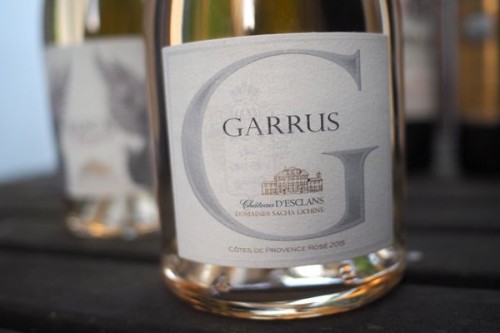
garrus

Tasted through the new releases from Sasha Lichine’s Château d’Esclans in Provence. This winery has been a remarkable success story because of its very smart strategy. High quality wines, with impeccable packaging and good marketing, starting with the multi-million bottle Whispering Angel and then leading up to the super-expensive Garrus. Rosé is the main story here, but there’s also a very good white (from Rolle) and red.

Whispering Angel Rosé 2016 Côtes de Provence, France
13% alcohol. Very fresh and pretty with lovely tangerine and passionfruit, as well as some lemony brightness. There are hints of watermelon and cranberry adding a bit of red fruit character. This is a lovely fruity style of rosé with freshness, in a dry style. This is so pretty and delicious, and the packaging is fantastic. 89/100

Chateau d'Esclans

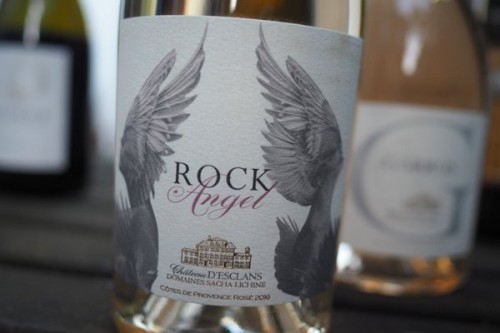
Château d’Esclans Rock Angel Rosé 2016 Côtes de Provence, France
13.5% alcohol. Very pale in colour. Tight and a bit reductive with some bright grapefruit and lemon notes. There’s freshness and precision here with some savoury notes alongside the fruit. Nice stoniness here, and a hint of red cherry in the background. I like this quite a bit. 90/100

Château d’Esclans Les Clans Rosé 2015 Côtes de Provence, France
14% alcohol. Complex and intriguing with lovely fennel, hazelnut and spice notes. There’s some pear and apple character, as well as subtle strawberry and cherry notes. The texture is really appealing, and it has warmth and a sake-like quality. A really good food wine, with the oak adding depth and integrating nicely. 92/100

Château d’Esclans Garrus Rosé 2015 Côtes de Provence, France
14% alcohol. Powerful and intense with some spicy, cedary oak characters meshing well with citrus, yellow plum and pear fruit and hints of fennel and sandalwood. There’s complexity and texture, as well as fresh citrus notes that balance out the richer characters well. Such a distinctive wine, and from past vintages it seems to age really well, too. Grand Cru rosé. 93/100

Château d’Esclans Déese Diane Rouge 2013 Côtes de Provence, France
This is quite dense and rich with grippy, tarry blackberry and blackcurrant fruit, with some cedary undercurrents. Firm and focused with nice grip, and a bit of herb and spice complexity under the fresh, slightly angular fruit. Tightwound, with potential for development. 90/100

Château d’Esclans Déese Astrée Blanc 2015 Côtes de Provence, France
14% alcohol. 100% Rolle (Vermentino). This is really delicate and elegant, with nice precise lemony fruit and a bit of pear and fennel richness, together with a touch of spice on the finish. The beginning of this wine is light and delicate, while the finish is warmer, spicier and more substantial. Intriguing and really impressive. 91/100

Find these wines with wine-searcher.com


from jamie goode’s wine blog http://www.wineanorak.com:/wineblog/provence/the-new-releases-from-chateau-desclans-star-provence-winery

For Fine Wine Investment opportunities check out Twelve by Seventy Five: http://www.twelve-by-seventy-five.com/

from
https://twelvebyseventyfive.tumblr.com/post/159906689942

Half way in the International Wine Challenge

IWC

Week one of this second tranche of the 2017 International Wine Challenge is over. Except for the crew, that is: they have to stay the weekend doing the immense job of reflighting all the thousands of wines that have made the cut into week two.

When we get back to the Oval on Tuesday, we’ll be looking to award medals to the successful wines from week one. Removing the non-medal worthy wines helps make this process a bit easier. We’ll be back for a couple of days the week after for trophy judging.

For the last four days I’ve been one of the team of six co-chairs who have been re-tasting all the rejected wines. It’s a tough task, and it can leave you feeling a bit dispirited. For while the average standard of wine is better now than it was a few decades ago, there are still quite a lot of wines out there that you or I wouldn’t want to drink. I have also been running the faults panel, where I get to verify the wines rejected as faulty so we have good statistics on the prevalence of each fault type. There have been lots of faults.

The real benefit of a competition like the IWC is that the medals awarded act as reliable buying cues for ordinary people. It you only have £5-6 to spend on a bottle, if it has a medal from a well judged competition like this, it’s a really good sign that you will like the wine. We spend a lot of time deliberating over the award of a medal, and a lot of work goes in to making sure the results of the IWC are fair and robust.

Right now, though, I need a rest. Being a co-chair is physically exhausting. I’m looking forward to a proper weekend, like normal people with jobs have, where I can lie in and take things easy. I’m also looking forward to giving my palate a rest.


from jamie goode’s wine blog http://www.wineanorak.com:/wineblog/uncategorized/half-way-in-the-international-wine-challenge

For Fine Wine Investment opportunities check out Twelve by Seventy Five: http://www.twelve-by-seventy-five.com/

from
https://twelvebyseventyfive.tumblr.com/post/159906689697

Friday, April 21, 2017

Eight decades of Kopke Colheita ports

kopkecolheita

After judging at the IWC on Thursday there was a chance to try some more wine. Normally after a busy day tasting hungreds of wines, the last thing I feel like is more wine. But these wines were different: eight Kopke Colheita Ports from 2007 back until 1937.

A Colheita is a tawny port from a single vintage, and they are kept in cask until bottling – generally, they don’t improve much with time in bottle. These had just been bottled from the cask a couple of weeks earlier, and all are currently available for sale.

Each of the Colheitas was quite special, and there was a clear progression in terms of complexity and concentration with age.

Kopke Colheita 2007 Douro, Portugal
Newly released: the earliest a Colheita can be relased is at 7 years old, but Kopke wait until the wines are 10. This is wam, spicy and raisiny. It’s sweet and already smooth and quite complex, giving a glimpse of what is to come. 92/100

Kopke Colheita 1999 Douro, Portugal
Complex, spicy and raising with an appealing saline edge. Some lovely savoury notes developing here. Has warmth and complexity. 94/100

Kopke Colheita 1981 Douro, Portugal
This is quite special. Wonderfully spicy and raisiny with some fresher citrus and mineral characters, as well as cedary notes. Direct, thrilling and intense. 96/100

Kopke Colheita 1978 Douro, Portugal
Lovely spicy depth here with some fudge and herb notes. Warm and cedary with attractive softness, and hints of damp earth, but in a very nice way. 95/100

Kopke Colheita 1967 Douro, Portugal
Light and elegant with orange peel, lemons and some subtle raisin characters. This is a fresh, lighter style and it’s really beautiful. 95/10

Kopke Colheita 1957 Douro, Portugal
There’s a hint of treacle here. It’s rich and dense with old furniture notes and lovely concentration and intensity. Nice depth. 96/100

Kopke Colheita 1941 Douro, Portugal
Such a complex note: spice, earth and raisins. Very rich with treacle and cedar as well as a lively spiciness. Has the concentration of age. Thrilling wine. 97/100

Kopke Colheita 1937 Douro, Portugal
Not often you get to drink an 80 year old wine. Very cedary wuth some treacle and spice notes, candied citrus fruits, spice and herbs. Has a strong saltana character with some Christmas cake richness. Lovely, intense wine. 97/100

Find these wines with wine-searcher.com


from jamie goode’s wine blog http://www.wineanorak.com:/wineblog/portugal/eight-decades-of-kopke-colheita-ports

For Fine Wine Investment opportunities check out Twelve by Seventy Five: http://www.twelve-by-seventy-five.com/

from
https://twelvebyseventyfive.tumblr.com/post/159820318907

Thursday, April 20, 2017

The fab 2015s and 2016s from Alheit, one of South Africa’s star producers

Chris Alheit and Franco Lourens

Chris Alheit and Franco Lourens

Chris and Suzaan Alheit’s story is one of discovering great vineyards, and then making wine from them, very simply (see my article from a visit three years ago, when they were just starting out). ‘I’ve spent innumerable hours looking on google earth and driving around, looking for the best sites,’ says Chris. His first wine, the Cartology, was incredibly well received when it was first released, and subsequent releases from single sites have gone from strength to strength. Perfectionism and attention to detail are what makes these wines so special: there’s no winemaking trickery involved, and they would qualify as natural wines by any sensible definition of the term.

OLYMPUS DIGITAL CAMERA

Canadian journalist Treve Ring and I visited Chris, along with his assistant winemaker Franco Laurens, at his Hemelrand winery, in Hemel-en-Aarde. He says that with the 2017 vintage, which we tasted from barrel, there will be some new Stellenbosch releases, although he’s not revealing more just yet.

Here’s an interview with Chris:

These are our notes on the 2015s and 2016s.

Alheit Cartology 2015
14% Semillon. ‘The idea was to make a very Cape wine from very Cape vineyards,’ says Chris Alheit. ‘This is the same set of vineyards we have been working with since 2013. The initial growth of 20 to 40 then to 80 barrels is because we just bought more of the vineyards that we knew worked.’ There are 9 parcels in this. Complex and detailed with lovely spicy structure to the pear and ripe apple fruit, with some citrus peel freshness. Lovely acid structure sitting under the complex fruit, with a structured finish. Has some pear skin on the finish, and a hint of green tea. Just lovely. 94/100 (JG)

Alheit Cartology 2015
The terrific 2015 shines here in this lauded chenin, splashed with 14 percent sémillon. The goal of Cartology, the study of maps, according to Alheit was “to make a very Cape wine from very Cape vineyards.” This vintage was up to 80 barrels, but will be drawn back most likely to 60 barrels to make more single site wines in future. Wild ferment, bush vines from nine parcels in Skurfberg, Perdeberg, Bottelary, False Bay and Botrivier. The Semillon comes from the old La Colline block in Franschhoek (still the same building blocks since the initial Cartology). Lovely pear, orange blossoms glide on creamy silkiness on the palate, with fine spicing and herbal lees on the finish. There’s an interesting mint flick that appears now and again. Complex and youthful still, this has a way to go. 93/100 (TR)

Alheit Radio Lazarus 2015
There’s a lovely dry, dusty, stony edge to the taut pear and ripe apple fruit. There’s an orange peel character, too. So structured and fine with great definition. Feels lovely in the mouth with nice grip. Though-provoking and detailed. 95/100 (JG)

Alheit Radio Lazarus 2015
Stellenbosch chenin blanc, one third in old barrel and the rest in amphora. Radio Lazarus is taken from two sloping sites in Bottlerary, facing each other, and named as such because radios disseminate an idea (plus the top of the two hills have radio towers on top). Pure and linear, with spices, pear, herbal lined pear skin drawn along a vibrating backbone of acidity. Dusty herbal spice and saline closes out the lingering finish. 93/100 (TR)

Alheit Magnetic North 2015
Ungrafted Chenin vineyards from up the west coast. Powerful, very fresh and complex with a slightly salty edge to the grippy lemon and mandarin fruit. Has real focus and great acidity with a pure, linear personality. Lovely salty, mineral finish. So fine and detailed. 96/100 (JG)

Alheit Magnetic North Makstok 2015
This is ungrafted chenin, from a high, north-facing ridge in the Skurfberg/Citrusdal Mountain region. Quite round and generous, but with a linearity driven through with a defining laser lemon acidity cut. Tightly wound still, this will go very far. A stunner. 94/100 (TR)

Alheit La Colline Vineyard 2015 Franschhoek
Semillon Blanc with some Semillon Gris, planted 1936. Beautiful aromatics with some green tea and seaweed hints. Saline and detailed with lovely herbs and citrus. So complex and with lovely savoury dimension to the fruit. This has complexity and finesse. Stunning. 96/100 (JG)

Alheit La Colline Vineyard 2015
Old vine Franschhhoek sémillon from 1936 – a pre-clonal, 16th C massale selection) with 10 percent sémillon gris tipped in. Savoury throughout (reductive in the very best way) with wild and alluring herbal, a touch of brown butter to open the fuller palate, one with the waxy sémillon hue, but with a tight focus. Precise fine spicing and acidity frames and carries to the lingering end. Beauty mineral salts ring on the finish. Stunner. 95/100 (TR)

Alheit Hemelrand Vine Garden 2015 Hemel-en-Aarde
14.5% alcohol. Predominantly Rousanne with Chenin, Chardonnay and Verdelho. 360 m on the ridge. Very fruity and aromatic with lovely delicacy allied to fruity richness. Pears, yellow plums and peaches with some grapey richness. Nicely fruity and expressive with a friendly personality, but also some seriousness. Ripe and rich. 93/100 (JG)

Alheit Hemelrand Vine Garden 2015
A field blend of roussanne, chenin blanc, chardonnay and verdelho sees time in old barrels (the roussanne in cement egg) in this fuller bodied white. Perfumed gooseberry, pear blossoms, fleshy pear and orange blossom fill a deep, fully cushioned core. A wave of gentle acidities swells this still youthful, richer wine. 92/100 (TR)

The 2016 vintage was a tricky one, but the Alheit releases are very strong. ‘2016 was a year when everyone struggled with acidity,’ says Chris. ‘There was extreme drought and unevenness so we had to pick early on all the parcels. We got to pick most of our important parcels early: we were trying to be vigilant with our picking.’ Chris absolutely refuses to add acid, even though this is a year when many simply had to or they couldn’t make wine. ‘We sold a lot of bulk wine, because many parcels didn’t make the grade. We have less wine but we have maintained our standards.’

Alheit Cartology 2016
Fresh and detailed with nice precision and weight. Lively citrus with some tangerine and grapefruit. Still tight and linear, this has wonderful potential for development. Lively and stony on the finish. 94/100 (JG)

Alheit Cartology 2016
Ten percent sémillon is tipped into this chenin blanc. Wild ferment, bush vines from nine parcels (still the same building blocks since the initial Cartology). The 2016 is young and eager still. Solid pear, apple, tight and firm, with a fine eraser grip and great lees lined palate. The 2016 will still go a long way, through lacking the structure of the exemplary 2015. 91/100 (TR)

Alheit Radio Lazarus 2016
There’s some lovely pear and tangerine richness here. There’s some generosity to the fruity palate which shows brightness and also depth, with a dusty, chalky edge to the pear and lemon fruit. Lovely weight here. 95/100 (JG)

Alheit Radio Lazarus 2016
Stellenbosch chenin blanc from two facing sloping vineyards, the 2016 was 100 percent aged in amphora. Prickly pear, wild herbs, lemon thistle, pear skin shine through the grippy tannins. Citrus peel, lemon, and fine, pointed tangerine on the lengthy finish. Lovely completeness and complexities; will age beautifully. 93/100 (TR)

Alheit Magnetic North 2016
All amphora this vintage. Beautiful fresh aromatics here with some stone and mineral, a touch of green tea and lovely citrus. The palate is so vivid, fresh and vital with a fine spiciness and salinity under the herb, lemon and grapefruit characters. Multidimensional with a beautifully precise personality. 97/100 (JG)

Alheit Magnetic North Makstok 2016
Hilltop, north-facing ungrafted chenin blanc. Shining. Bright orange, tangerine pith, crispy, singing acidity with a cut of acidity and a riff of tannins. Exceptional length and salted finish. Drinking beautifully now, but has a while to go. 94/100 (TR)

Alheit La Colline 2016
Beautiful aromatics with green tea and kelp as well as some herby citrus notes. There’s a delicious salinity on the palate with some stone and herb characters. There’s a tiny hint of mushroom, and overall this has a lovely savouriness, and there’s a bit of creaminess on the midpalate. Such detail, with a hint of toastiness on the finish. Lovely. 95/100 (KJG)

Alheit La Colline Vineyard 2016
Old vine Franschhoek sémillon from 1936 – a pre-clonal, 16th C massale selection. Primary, earthy pear, herbal meadow rules this youthful, savoury wine. A hint of browning butter, flake salts and earthy lees seasons the whole. This is not about the grape. Beauty now, and will age. 93/100 (TR)

Alheit Hemelrand Vine Garden 2016
There’s some Muscat here, and it really takes over, even though it is just 2.5%! Beautifully aromatic with some peach and orange peel, as well as some grapiness. Aromatic. The palate has lovely rich fruit: it’s a bit stony but also very fruity with an exotic grape, pear and peach character. Finishes fresh. Such a distinctive fruity style with lovely balance. 93/100 (JG)

Alheit Hemelrand Vine Garden 2016
Highly perfumed field blend of roussanne, chardonnay, chenin blanc, verdelho and muscat, this carries soapy, soft peach, pear blossoms. Limey acidity details the finely laced finish. Fuller and rounder, with the weight to carry richer pairings. 90/100 (TR)

Alheit Flotsam & Jetsam Heirloom Chenin Blanc 2016
Barrels that didn’t make Cartology, plus new parcels. Supple, bright and fresh with lovely stony notes, and also some supple citrus and pear fruit. Balanced and delicious with nice clean fruit and a supple personality. Lovely. 93/100 (JG)

Flotsam & Jetsam Heirloom Chenin Blanc 2016
Dry farmed, very old bush vines from sites that didn’t quite fit into the Alheit blend. Round on the palate, crisped with salted popcorn, this is far too easily drinkable. 13.5%. 91/100 (TR)

Alheit Flotsam & Jetsam Stalwart Cinsault 2016
Juicy and bright with lovely supple cherry fruit with some peppery detail. Fresh and smashable with good acidity and a beautiful floral personality. Very fresh and detailed with nice brightness. Very fine and expressive. 92/100 (JG)

Flotsam & Jetsam Stalwart Cinsault 2016
Fresh, young and eager cinsault, this shows a slightly darker hue to the grape, drawing fresh black currant and black plum along a sapid, grippy palate. Thorns and black raspberry rules the finish. This is a grown up, fresh and youthful Cinsault. 91/100 (TR)

Find this wine with wine-searcher.com


from jamie goode’s wine blog http://www.wineanorak.com:/wineblog/south-africa/the-fab-2015s-and-2016s-from-alheit-one-of-south-africas-star-producers

For Fine Wine Investment opportunities check out Twelve by Seventy Five: http://www.twelve-by-seventy-five.com/

from
https://twelvebyseventyfive.tumblr.com/post/159784935652

Wednesday, April 19, 2017

Alexandre Jouveaux Combarnier (2010) NV Vin de France

jouveaux combarnier

This is quite a wine. It’s seven years old, made in a very natural way, and it’s still incredibly reductive, with a strong matchstick/mineral character. There are some subtle oxidative notes, too, but overall the wine is very fresh. This is a wine that clearly demonstrates that reduction is not simply the opposite of oxidation, and that you can’t simply ‘blow off’ reduction with air. This wine is still very reductive three days after opening. Reduction refers to volatile sulfur compounds produced by yeasts, and their perception can be enhanced or diminished by the presence or absence of oxygen, but not always. It’s a wine I appreciate, and even enjoy, and certainly one I admire. But it’s not for everyone. Jouveaux makes 6000 bottles in all each vintage, and this wine comes from half a hectare he has in Vire-Clesse. Winemaking is simple: hand-picked, organically farmed grapes are pressed into old barrels where they ferment. The results are quite something.

Alexandre Jouveaux Combarnier (2010) NV Vin de France
From the Maconnais, this is a remarkable natural wine that has developed in a very interesting way. It has not been stored very carefully, yet it’s still so fresh and complex, and pale in colour. The first thing you get is an astonishingly aromatic nose of intense reductive characters: there’s matchstick, mineral, a hint of rubber, flint and fine herbs. On the palate there’s intense, fresh lemon fruit with bracing acidity. It’s fine, complex and spicy with incredible intensity. This is such a complex, edgy wine, it won’t be for many. But those who like it, will probably love it. Probably the most intense matchstick reduction I’ve experienced in a wine. On day 2 it was just the same. 93/100 (the current vintage is available from Roberson in the UK).


from jamie goode’s wine blog http://www.wineanorak.com:/wineblog/natural-wine/alexandre-jouveaux-combarnier-2010-nv-vin-de-france

For Fine Wine Investment opportunities check out Twelve by Seventy Five: http://www.twelve-by-seventy-five.com/

from
https://twelvebyseventyfive.tumblr.com/post/159766464077

Beginning two weeks judging at the International Wine Challenge

IWC 2017

I’m on my way to day 2 of the second tranche of the International Wine Challenge judging at the Oval. For two weeks we will be sifting through an unspecified number of wines (the number isn’t publicized because otherwise the two major competitions get sucked into a ratings war, but it’s in the range of 15 000).

2017 is my first year as one of the two new co-chairs, along with Sarah Abbott (new girl), Tim Atkin, Peter McCombie, Oz Clarke and Charles Metcalfe. Our job is to act as moderators, makning sure that the results are consistent, and that every wine is treated fairly.

This is week one, when all the wines are tasted by the panels with a view to deciding simply whether each wine is medal worthy or not. The teams – usually 5 people, led by a panel chair and with an associate (trainee taster) – judge in small flights. Then we get to see the wines and their notes, along with their verdicts. This week, we co-chairs are just looking at the wines that have been deemed unmedal worthy. We check that nothing good has been missed. We are able to reinstate wines if we think they’ve been overlooked, but two of us have to agree in order to change the verdict.

Next week, all the wines that get through will be retasted by the panels, with a view to deciding exactly what medal to give them. It’s still possible to kick wines out at this stage. This second round will be pretty tough work, and often the co-chairs are still working into the evening: we can’t go home until all the wines are done.

Faulty wines waiting to be tasted

Faulty wines waiting to be tasted

Another job I have is to monitor the faults. If a wine is deemed faulty by the panels, then one of the co-chairs has to sign it off before a second bottle can be requested. This is to cut down on false positives. Any bottle deemed faulty will find its way to the faults table, which is where I have another look at it to confirm the diagnosis, or to decide that the wine isn’t faulty. The reason for this is that we want our stats on faults to be as good as possible. Obviously, it would be nice to supplement the sensory analysis with chemical analysis for faults, but this would be very expensive and logistically challenging.

It’s quite hard to be sure about faults. Some faults are clear cut: cork taint, is a great example, but even then some misdiagnose it, and people differ in their sensitivity to the compounds involved. When it comes to oxidation, reduction or brett, at which point do you call these characters a fault? It is a judgement call we have to make.

The first day was tiring. It always is, and more so as co-chair. But this morning I’m feeling fresh again. The strange thing about tasting is that the more you do it, the easier it becomes and the sharper your palate gets. By the end of two weeks, I’m going to be a mean tasting machine.


from jamie goode’s wine blog http://www.wineanorak.com:/wineblog/uncategorized/beginning-two-weeks-judging-at-the-international-wine-challenge

For Fine Wine Investment opportunities check out Twelve by Seventy Five: http://www.twelve-by-seventy-five.com/

from
https://twelvebyseventyfive.tumblr.com/post/159747445172

Tuesday, April 18, 2017

Grower Champagne Focus: Chartogne-Taillet Cuvée Sainte Anne

chartognetaillet

This is really good. And it’s just £24 at The Wine Society. Stunning value for money.

Champagne Chartogne-Taillet Cuvée Sainte Anne NV France
12% alcohol. 60% 2014 and 40% 2013, disgorged in December 2016. Equal parts Chardonnay and Pinot Noir from Merfy in the Montagne de Reims, with sandy clay soils over chalk. All the wine comes from the village and they are the only grower in this village. Organically farmed (working the soils with horses, and no herbicides or insecticides), wild-ferment and no filtration, 6 g/l dosage. Lovely depth and complexity with a lovely savoury density to the palate. There’s a mineral quality, with fine citrus fruit and a hint of apple. It’s really complex and citrussy with hints of earth and mushroom in the background. The saline detail is really appealing. Everything here works together in harmony. 93/100

Find this wine with wine-searcher.com

GROWER CHAMPAGNE:


from jamie goode’s wine blog http://www.wineanorak.com:/wineblog/champagne/grower-champagne-focus-chartogne-taillet-cuvee-sainte-anne

For Fine Wine Investment opportunities check out Twelve by Seventy Five: http://www.twelve-by-seventy-five.com/

from
https://twelvebyseventyfive.tumblr.com/post/159728293907

Monday, April 17, 2017

Tasting some interesting South African Chenin, with a video

raats granite block

Tasted some nice Chenins lately. It’s such an interesting and adaptable grape variety.

Raats Granite Block Chenin Blanc 2015 Coastal Region, South Africa
Very fruity mandarin and lime notes with some pear richness. Hints of herbs with a nice bright mineral edge to the fruit. Lovely precision to this bright wine with plenty of flavour but a focus on the fruity side of Chenin. 90/100

Intellego Chenin Blanc 2012 Swartland, South Africa
13% alcohol. Blend of two sites, one on granite and one on sandy clay over gravels, in the Swartland, and both are old bush vines. Whole bunch pressed into older French barriques and puncheons, spending 9 months on lees, bottled unfined and unfiltered. 350 cases. This is fresh and detailed with a spicy tangerine, apple and pear fruit quality. The acidity has a spicy, tangy quality to it. Vital and expressive, this is a really good Chenin that has developed beautifully. 93/100

reverie chenin blanc

Rêverie Chenin Blanc 2014 Swartland, South Africa
Made by Jacques de Klerk. 11.5% alcohol. So fresh, fine and detailed with lovely citrus, pear and ripe apple fruit. Linear and with keen acidity, and also a tiny bit of structure. There’s a delicate tangerine and lemon note here, but also some toasty hints. Very pure and precise, this is a serious Chenin. 93/100

Force Majeure Chenin Blanc 2015 Swartland, South Africa
From dry farmed bush vines with no enzymes, yeast or acid added. 12.5% alcohol. Lots of flavour here: ripe apples, lemons and spice, with some fruit sweetness and a bit of tangerine and grapefruit freshness. Lovely fruit with good acidity and beautiful spicy complexity. Such a delicious expression of Chenin, but not at all overblown. 93/100

Here’s a film of me tasting the Rêverie Chenin Blanc 2014:


from jamie goode’s wine blog http://www.wineanorak.com:/wineblog/south-africa/tasting-some-interesting-south-african-chenin-with-a-video

For Fine Wine Investment opportunities check out Twelve by Seventy Five: http://www.twelve-by-seventy-five.com/

from
https://twelvebyseventyfive.tumblr.com/post/159691587142

Lovely wines at Noble Rot

noblerotwines

Was in Noble Rot on Friday night with Mark and Dan. It ended up becoming quite a big evening and we had some nice wines. How did we manage in London before Noble Rot came along?

Three Champagnes. Jacques Lassaigne Nature Blanc de Blancs 2007 was fine, mineral and detailed with a citrus core. I really liked this. Ulysse Collin Les Perrieres Blanc de Blancs is a brilliant wine, with concentration and power with a slight salinity that’s delicious. And Gaston Chiquet Special Club 2005 is delicate and put with nice weight and complexity. All superb.

Some Burgundy. Arnold Ente Meursault Clos des Ambres 2008 is stunningly pure and refined. Sylvain Cathiard Vosne Romanee 2001 is drinking very well now with plenty of density. It’s very Cathiard, with smooth, sweet, silky fruit. The Marquis d’Angerville Volnay Taillepieds 1995 is quite different: it still has lots of vivid fruit, but the tannins are still very firm. Finesse here, but a grippy, tight finesse.

Bordeaux. There are still some amazing value for money Bordeaux wines, and this is one of them: Chateau Poujeaux 1996 Moulis en Medoc. It’s fine-grained, elegant and expressive, and is drinking brilliantly now. It’s just £60 on the list here.

An oddity: Richard Stavek’s Spigle-Boiky 2015 is a skin contact white from the Czech Republic, and it is a field blend dominated by Gruner Veltliner and Riesling. This is beautifully judged, with floral aromatics and a very fine palate where the tannins fit in beautifully. This is a lovely wine.

Finally, Lapierre’s ‘Camille’ Morgon 2015 is a superb Beaujolais that captures the concentration and power of this vintage, but retains elegance and a sense of place. Sleek, textural and fine.

A great evening.


from jamie goode’s wine blog http://www.wineanorak.com:/wineblog/champagne/lovely-wines-at-noble-rot

For Fine Wine Investment opportunities check out Twelve by Seventy Five: http://www.twelve-by-seventy-five.com/

from
https://twelvebyseventyfive.tumblr.com/post/159674346882

Saturday, April 15, 2017

Little Farm Pied de Cuve Chardonnay 2015 Similkameen Valley, BC, Canada

littlefarmpieddecuvechardonnay

I’ve been impressed by the wines from Rhys Pender and Alison Dredger’s Little Farm winery in the Similkameen Valley. This is a valley next door to the Okanagan in Canada’s BC,  and their 4 acre organic vineyard is in in Cawston. I reckon this is their best yet. It’s the first release of this naturally fermented Chardonnay, and it retails at a very reasonable CA$35. Alas, just 55 cases were made.

Little Farm Pied de Cuve Chardonnay 2015 Similkameen Valley, BC, Canada
12.5% alcohol. Neutral barrels and native yeast, bottled unfined and unfiltered. Sulfur just at bottling. Complex aromatics with some spice, smoked lemon and grapefruit. The palate is really fresh and delicate with pristine lemony fruit and a lovely spiciness, as well as some red apple and cherry hints. There’s real finesse, freshness and complexity here. Beguiling. 93/100

Find this wine with wine-searcher.com


from jamie goode’s wine blog http://www.wineanorak.com:/wineblog/canada/little-farm-pied-de-cuve-chardonnay-2015-similkameen-valley-bc-canada

For Fine Wine Investment opportunities check out Twelve by Seventy Five: http://www.twelve-by-seventy-five.com/

from
https://twelvebyseventyfive.tumblr.com/post/159612889307

Friday, April 14, 2017

The new non-vintage Classic Cuvée from Nyetimber

nyetimberclassiccuvee

Popped into Waitrose yesterday and picked up a bottle of this: the new non-vintage Classic Cuvée from England’s most famous sparkling wine producer, Nyetimber (it’s currently on offer at £25, which makes it a very good buy).

They’ve made the very wise move to shift from a vintage model for their main production wine to a multi-vintage model, which opens up the possibility of working with base wines and blending a consistent product across years. This is the model for 90% of Champagne, and they do it for a reason. It makes quality sense, and it also makes business sense. It opens up the potential of making a premium vintage wine in good years at a higher price. It means that the odd bad vintage, such as 2012 where Nyetimber made no wine at all, can be dealt with better.

There’s a code on the back of the bottle which you can use to find out about what you are drinking, if you are interested.

This gives the varietal breakdown, the vintage breakdown and the disgorgement date. It also gives the riddling date: at the Cool Climate Wine Symposium Brad and Cherie, the winemaking team at Nyetimber, did a really interesting tasting showing the influence of the riddling date. You can taste it!

Nyetimber Classic Cuvée MV England
This is a lend of 55% Chardonnay, 35% Pinot Noir and 10% Pinot Meunier, based on the 2013 vintage with 4% from 2011 and 2010, and 19% from 2009. It shows lovely balance with pear, ripe apple and citrus fruit with a hint of sweetness. This is balanced and rounded with just a hint of tastiness. Fresh citrus fruits are complemented with some richer notes, and the acidity is brilliantly integrated. 92/100

See also: my producer profile of Nyetimber


from jamie goode’s wine blog http://www.wineanorak.com:/wineblog/england/the-new-non-vintage-classic-cuvee-from-nyetimber

For Fine Wine Investment opportunities check out Twelve by Seventy Five: http://www.twelve-by-seventy-five.com/

from
https://twelvebyseventyfive.tumblr.com/post/159570167552

Thursday, April 13, 2017

The world’s flintiest vineyard?

silex vineyard

I have seen a lot of vineyards in my relatively short career, but this one was one of the most remarkable. Flint on flint.

Sébastien Redde

Sébastien Redde

Back in 2009, Domaine Michel Redde (Thierry and his two sons Sébastien and Romain), decided that they wanted to produce a remarkable vineyard. In their region, Pouilly-Fumé, silex (flint) is a very highly prized terroir, and although people talk about gun flint in Pouilly-Fumé, linked to this soil, it’s not all that common.

OLYMPUS DIGITAL CAMERA

So they took an abandoned flint quarry in Tracy-sur-Loire, just over the river from Sancerre, Les Champs des Froids. First of all, they had to clear the vegetation. Then, the hard work of preparing the ground to plant in began.

OLYMPUS DIGITAL CAMERA

It involved huge construction vehicles and dynamite, and then to actually put vines in the ground required the use of a long crowbar like tool – the Barre à Mine, which became the name for this cuvée. Each year, they planted a little bit more. To plant half a hectare required the manual removal of 300 tons of large flint. The vines were planted at a density of 10 000 per hectare.

OLYMPUS DIGITAL CAMERA

Some of the large boulders removed

Some of the large boulders removed

The first vintage was 2014. This really is a remarkable-looking vineyard: all you can see is flints. ‘It’s like the Châteauneuf-du-Pape of flint,’ jokes Sébastien. He says they haven’t worked out how much this has all cost. It’s a labour of love, and a celebration of a remarkable terroir. The first wines are just lovely, and very distinctive. When the vines have some age, this will be a stunning vineyard!

Barre à Mine

Barre à Mine

Here’s a film of the vineyard:

This is my tasting note on Barre à Mine:

Domaine Michel Redde Pouilly-Fumé Barre à Mine 2015
Complex and detailed with lovely tangerine, lemon and pear fruit. Very stony and mineral with a transparent personality. There’s freshness, but also some of the richness of the vintage here. Very textural. 94/100

Domaine Michel Redde Pouilly-Fumé Barre à Mine 2016 (from cask)
Lively, expressive and bright with tangerine and subtle herbs. Distinctive, showing nice purity. Highly mineral with a savoury core, as well as expressive fruit.


from jamie goode’s wine blog http://www.wineanorak.com:/wineblog/sauvignon-blanc/the-worlds-flintiest-vineyard

For Fine Wine Investment opportunities check out Twelve by Seventy Five: http://www.twelve-by-seventy-five.com/

from
https://twelvebyseventyfive.tumblr.com/post/159534822677

Wednesday, April 12, 2017

Who decides the news agenda? The Internet?

A small story becomes a big story because of the Internet. The recent media frenzy over a passenger being removed from an overbooked United flight has been interesting to watch.

Back in the day, news rooms decided on the merits of a story. The editor edited. Now, the Internet can decide that a story is news worthy, and then even more serious news outlets (yes, a few remain) have to run the story too.

The United story would have been a non-story without video. The two (or was it more?) videos that circultated made this a story, because they were dramatic, and there was even some blood involved.

After the initial reports (videos plus sketchy details), we are then treated to the United response (another chance to run those videos), plus the tracking down of the passenger involved and the inevitable scrutiny of their personal life. Then we have more bad stories about United (any large airline will have some controversial or negative incidents attached to them), and for the next two weeks any stories about airlines behaving badly will be fast tracked.

Next we’ll have government response, and perhaps even new legislation, all on the back of a small but regrettable incident that got blown out of all proportion by the Internet.

I’m not knocking the Internet. It’s how I started, and it’s how I (largely) communicate as a media person. But the way incidents like these suddenly become news shows there’s something wrong with our news outlets. In the wine world, we should be wary of letting the agenda be set by noisy, or controversial, or simply ill-informed people. Or people who are simply famous. Some people are just famous for being famous, without every contributing anything substantial.

Also, if you are going to do something bad, then make sure you don’t do it where you can be filmed and end up on the Internet.

Also, don’t join internet mobs. Don’t throw combustible materials on internet fires. Don’t waste time on news as entertainment.


from jamie goode’s wine blog http://www.wineanorak.com:/wineblog/uncategorized/who-decides-the-news-agenda-the-internet

For Fine Wine Investment opportunities check out Twelve by Seventy Five: http://www.twelve-by-seventy-five.com/

from
https://twelvebyseventyfive.tumblr.com/post/159503305402

Tuesday, April 11, 2017

Some profound(?) thoughts prompted by this Loire trip

OLYMPUS DIGITAL CAMERA

Terroir is a creative act between people and a place. Terroir only exists in the context of a wine, and wine is a creative act as a winegrower seeks to interpret their place through choices they make in viticulture and winemaking.

Drinking wine is itself a creative act. We are given a sensory theme, and we act upon this. We use our imaginations as well as our palates, as we recreate the place through the medium of the wine. We question the liquid in our glass, and then we are creative as we choose to let it take us to a destination that is prompted by our sensory experience, but which we also contribute to. To understand a great wine and appreciate it fully requires a skilled and imaginative taster.

The weather of a season – the vintage – is very important in cooler climates (and sometimes even in warm ones). Yes, the soils are vital. But they need to be partnered with a good vintage in order to show what they are capable of. It is this interplay of the season’s weather (vines NEVER see climate) and the soils that produces the wine of that year, and sometimes the weather is such that the role of the soil is diminished.

Sauvignon is a great grape variety and it is unfairly dismissed by some. It makes simple wines of pleasure, but it can also make profound white wines that express terroir and which age well. It is a singular variety, but those who criticize it do so from a position of not having given this variety a second chance.

We are only just beginning to explore the impact of soils on wine, and it’s such an interesting topic. Yet there exists a mine of misinformation and assumption on this subject. We need to combine anecdotal observation with good, open-minded science to understand this better, and we shouldn’t rush, because it’s such a fun journey that’s only just beginning.


from jamie goode’s wine blog http://www.wineanorak.com:/wineblog/uncategorized/some-profound-thoughts-prompted-by-this-loire-trip

For Fine Wine Investment opportunities check out Twelve by Seventy Five: http://www.twelve-by-seventy-five.com/

from
https://twelvebyseventyfive.tumblr.com/post/159464043732

Monday, April 10, 2017

In the Centre Loire: Sancerre, Pouilly-Fumé and Coteaux du Giennois

OLYMPUS DIGITAL CAMERA

The Monts Damnes vineyard in Sancerre

For the last couple of days I have been in the Centre Loire, visiting Sancerre, Pouilly-Fumé and the Coteaux du Giennois. These three neighbouring appellations are home to some compelling Sauvignon Blanc, as well as good Pinot Noir and Gamay in smaller quantities. For the next couple of days I’ll be doing more of the same, as well as taking in Reuilly and Quincy.

Vintage 2017 beginning in the Coteaux du Giennois

Vintage 2017 beginning in the Coteaux du Giennois

One of the things that has struck me so far is how distinctive and exciting the terroirs are here. All three appellations have a mix, with limestone and clay (calcaire argile), kimmeridgean marl and clay, and flint (silex) and clay the three main combinations. Wines from all three terroirs taste different. There’s also silex over a limestone base, and some vineyards with both limestone and silex.

OLYMPUS DIGITAL CAMERA

OLYMPUS DIGITAL CAMERA

OLYMPUS DIGITAL CAMERA

OLYMPUS DIGITAL CAMERA

OLYMPUS DIGITAL CAMERA

OLYMPUS DIGITAL CAMERA

Some late pruning

OLYMPUS DIGITAL CAMERA

Another thing that has been exciting is just how well some of these wines age. I’ve had some great experiences with wines from the 1990s. Who said Sauvignon doesn’t age?

OLYMPUS DIGITAL CAMERA

Enjoying some older wines with Pascal Gittons and his daughter Chanel

OLYMPUS DIGITAL CAMERA

OLYMPUS DIGITAL CAMERA

OLYMPUS DIGITAL CAMERA

An 18th century barn at Villargeau, Coteaux du Giennois

OLYMPUS DIGITAL CAMERA

With Raymond Bourgeois (of Henri Bourgeois), in the cellar, Sancerre

OLYMPUS DIGITAL CAMERA

In the vineyard with Melanie Masson and her father Jean-Michel


from jamie goode’s wine blog http://www.wineanorak.com:/wineblog/loire/in-the-centre-loire-sancerre-pouilly-fume-and-coteaux-du-giennois

For Fine Wine Investment opportunities check out Twelve by Seventy Five: http://www.twelve-by-seventy-five.com/

from
https://twelvebyseventyfive.tumblr.com/post/159428125307