After having spent a few days in Provence, I’m beginning to think that there are some important parallels between Provence and Champagne. Let me try to explain.
First, both are strong regional brands. Champagne is instantly recognizable. People know what to expect when they buy a bottle of Champagne. There are no nasty surprises, and generally speaking paying a price premium over other sparkling wines is usually rewarded when it comes to Champagne. Even cheap Champagne is tasty enough for the majority of consumers. Provence rosé is pretty reliable, and it delivers. There are no nasty surprises: the wines are quite pale in colour, are dry, and have nice texture: they aren’t just about the fruit. The strength of a regional brand is determined in part by reliability. If people are to use a regional name as a buying cue then they are prepared to pay more for guaranteed quality. Thus a regional brand is as strong as the worst examples of that brand, to a large degree.

Second, both regions focus on what they do best and don’t confuse the consumer with too many side options. Provence is 80% rosé; Champagne is, I’m guessing, 99% bubbles. Provence does make good whites, reds, and lately sparklers, but it’s telling the world about its rosé. The message is strong.
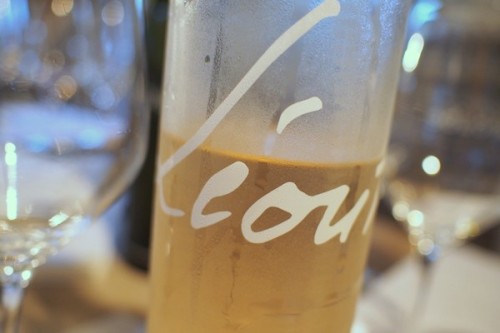
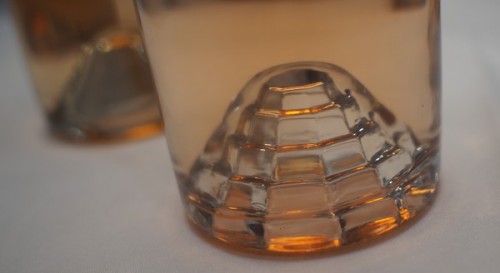
Third, both regions have realized that it’s not just about the wine in the glass. Perception isn’t just measuring the physical qualities of the liquid. The Champenois know that the packaging of the product, its image, and the associations consumers have with the particular house or marque alter how they enjoy, and how much they are prepared to pay for, the wine. Also, Champagne in a glass is highly visual. The same is true for Provence rosé. The way it is presented, its colour, and the situation in which it is enjoyed matter a great deal, and there’s a lot of experimentation with packing here that you don’t find with other styles of wine. The Champenois sell celebration; the Provence producers sell pleasure.

Fourthly, it takes time to understand Champagne and to acquire the ability to distinguish between different quality levels. For many people, Champagnes all taste rather alike. It’s as if you have to learn to appreciate Champagne at a high level. The same is true for Provence rosé. To many, they all seem quite similar, and it takes a lot of tasting to be able to understand the nuances and notice the influence of terroir and grape variety on the finished product. In addition, recognizing top quality Provence rosé isn’t easy for the novice. It requires some practical knowledge of the variations in wine style.
Fifth, terroir matters for both Champagne and Provence rosé, but many professionals fail to acknowledge this. They are both terroir wines. It’s because of this link to place that both can command a price premium: they can’t be copied.
It’s for these reasons, that if Provencal wine producers want ideas for how to develop rosé in the future, they might be well advised to look towards Champagne for inspiration.
from jamie goode’s wine blog http://www.wineanorak.com:/wineblog/provence/five-reasons-why-provence-rose-is-like-champagne
For Fine Wine Investment opportunities check out Twelve by Seventy Five: http://www.twelve-by-seventy-five.com/
from
http://twelvebyseventyfive.tumblr.com/post/152013429362

No comments:
Post a Comment