Friday, March 30, 2018

Terroir: when soils trump climate

I’ve been embroiled in endless discussions about terroir in the past. And I mean endless. They quickly become unfocused, ideological and circular, with people talking at cross purposes. But it’s still such an interesting concept. And an important one: it lies at the heart of fine wine.

Here I just want to make one point. When it comes to fine wine, soils trump climate. Let me explain.

Terroir deniers (and there are many of them; they tend to hunt in packs; and Australia and California harbor the largest populations of them) suggest that the biggest factor in wine quality is climate. And, given the right climate and variety combination, then a skilled viticulturist combined with good winemaking can fashion great wines.

This spawned a lot of work looking at ‘homoclimes’. For example, if you want to make great Pinot Noir, then find the climatic areas that most closely resemble areas where the world’s greatest Pinots are made. That would probably be the Côte d’Or of Burgundy then. When I was getting into wine back in the mid-1990s this was how people were thinking. Some still do think like this.

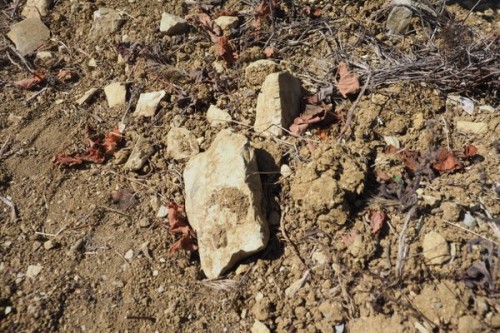
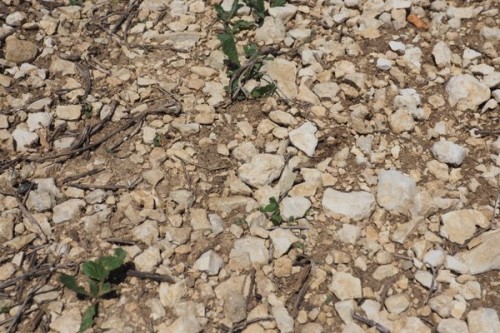
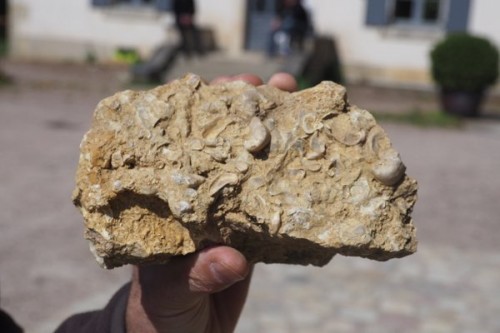
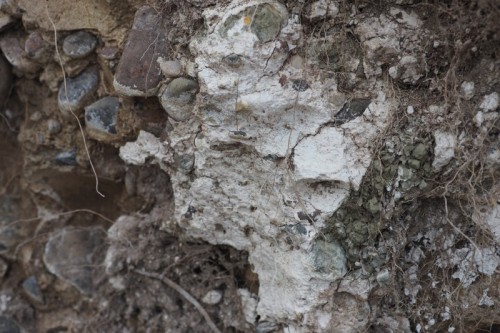
Limestone soils, Bairrada

But while climate clearly is important, it isn’t sufficient in of itself to create great wines. Although this offends my egalitarian principles, I must acknowledge that not all vineyard sites are created equal. And it’s what lies under the surface of the vineyard that acts as the ceiling to wine grape, and thus wine, quality.

To the terroir sceptic, trained in the self-confident wine schools of new world countries, the parcellation and vineyard hierarchies in Burgundy are absurd. Their explanation for this? They are all about marketing and microclimate. But there are two problems with this view.

First, microclimate: while there are going to be differences from one vineyard to the next, these climate differences don’t track the boundaries of climats (separately identified vineyard parcels: there are 1247 of them in Burgundy), and they are modest. A vine doesn’t see climate: it sees the weather of the growing season. This will differ from year to year more than the small microclimatic differences among the climats. The thing that stays the same is the soil (and the aspect, of course). There has been climate change with a warming trend over the last 50 years but there’s no clamour to change vineyard boundaries here.

And the marketing argument doesn’t stack up. Don’t you think, given the huge economic incentives, owners of village level vineyards would be taking much more care and attention, if by better viticulture they could achieve Grand Cru level wines? Of course, there are some over-performers with village level plots (think JP Fichet in Meursault as a good example), and some under-performers with Grand Crus (and some Grand Crus, such as bits of Clos du Vougeot and Echezeaux that aren’t necessarily all that grand), but in general the vineyard hierarchy is intact. This is because it is the soils that act as the ceiling for quality. Good growers run into this ceiling. I’m not negating the importance of skilled viticulture and winemaking; I’m just saying that this can only take you so far.

If you don’t have great soils, you can’t make great wine. You can make very good wine, and very enjoyable wine, but there will be a ceiling to quality no matter how skilful your viticulture and winemaking is. For this reason, for fine wines, soil trumps climate. The climate can get you most of the way there, but to cross the finishing line, you need some help from the soils.

You can make some very nice wines indeed from grapevines planted in OK soils with the right climate. But there’s a difference between good and great. Not everyone gets this difference, but it is there, and as a community of judgement we recognize and reward it. And to make great wines, you need to have a great soil. How to define a great soil? That’s a great topic for another day, but water relations, composition and chemistry all matter. Microbes, too, probably. Across the wine world, people are beginning to realize this.


from Jamie Goode’s wine blog http://www.wineanorak.com:/wineblog/wine-science/terroir-when-soils-trump-climate

For Fine Wine Investment opportunities check out Twelve by Seventy Five: http://www.twelve-by-seventy-five.com/

from
https://twelvebyseventyfive.tumblr.com/post/172404603672

Thursday, March 29, 2018

Wine writer buys wine! Shock! But which ones?

I had a case of wine delivered today. One that I paid for! Yes, occasionally we wine writers buy wine. Well, at least I do. Apart from anything else, a diet of samples (even good ones) isn’t healthy. How can you connect with readers who buy wine if you, as a writer, are never in their shoes? When you spend your own money on a bottle you have a different relationship with it.

I spend quite a bit of money on wine in restaurants (these days, I’m more often dining out than in it seems), but I also buy wine from retailers. And I reckon it’s useful for readers to see what the writers they follow buy. This time it was some Spanish whites, and they are pictured above. There were 3 bottles each of the Feifinanes Albariño, which I really like, and the classic Tondonia Reserva Branco 2004. Then a couple of bottles of the Rosal (another lovely Albariño). And the last bottle of Eulogio Pomades’ amazing wine. Finally, two singletons from Jerez: the Equipo Navazos and the Niepoort Navazos. There’s some good drinking here, and the wines were also very reasonably priced.


from Jamie Goode’s wine blog http://www.wineanorak.com:/wineblog/spain/wine-writer-buys-wine-shock-but-which-ones

For Fine Wine Investment opportunities check out Twelve by Seventy Five: http://www.twelve-by-seventy-five.com/

from
https://twelvebyseventyfive.tumblr.com/post/172384065982

Video: the Nagano wine region, Japan

Here’s a brief video of my trip round the Nagano wine region:


from Jamie Goode’s wine blog http://www.wineanorak.com:/wineblog/videos/video-the-nagano-wine-region-japan

For Fine Wine Investment opportunities check out Twelve by Seventy Five: http://www.twelve-by-seventy-five.com/

from
https://twelvebyseventyfive.tumblr.com/post/172379160312

Wednesday, March 28, 2018

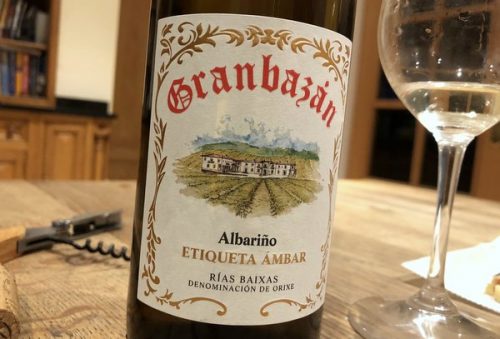
Albariño series (2) Granbazán Etiqueta Ámbar 2016 Rías Baixas, Spain

The second wine in this series on Albariño, that wonderful grape from northwest Spain and Portugal, is another from Rias Baixas. This one is a bit of a surprise: I picked it up from Oddbins tonight on the way home, and it’s packed in a very old-fashioned way. But it delivers lovely flavours.

Granbazán Etiqueta Ámbar 2016 Rías Baixas, Spain
13% alcohol. With very old-school packaging in a tall bottle, the appearance of this wine is a bit deceptive, because it’s actually modern and thrilling. It has a lovely refined spicy quality under the fresh, delicate pear, apple and peach fruit. Made from free-run juicy only, this has a refined personality, and offers beautifully poised fruit, freshness and a mineral, spicy finish. Despite the delicacy, there is plenty of flavour here, and it has a long, tapered finish. Lovely stuff. 93/100 (£15.50 Oddbins)

ALBARIÑO

  1. Eulogio Pomares Parcelarios (I) Carralcoba Albariño 2015 Rias Baixas, Spain
  2. Granbazán Etiqueta Ámbar 2016 Rías Baixas, Spain


from Jamie Goode’s wine blog http://www.wineanorak.com:/wineblog/spain/albarino-series-2-granbazan-etiqueta-ambar-2016-rias-baixas-spain

For Fine Wine Investment opportunities check out Twelve by Seventy Five: http://www.twelve-by-seventy-five.com/

from
https://twelvebyseventyfive.tumblr.com/post/172351515412

Tuesday, March 27, 2018

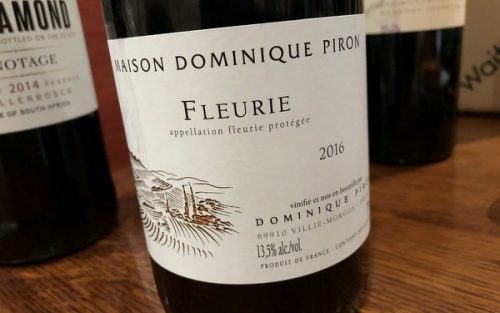
Gamay 38, Maison Dominique Piron Fleurie 2016

This is a lovely expression of Fleurie, from Dominique Piron. I visited him in 2016, and was really impressed by the consistency and nice terroir expression of the wines. He’s based in Morgon, but also makes wines from other crus. I think this wine is a different bottling to his normal Fleurie (it has a different label) and is a Laithwaites exclusivity. But it’s really good.

Maison Dominique Piron Fleurie 2016 Beaujolais, France
13% alcohol. This has a lovely sweet, warmly spiced nose of raspberries, cherries and cured meat. In the mouth, it’s supple and structured, with sweet raspberries, a hint of pepper and some warm meaty undertones. This is rich but fresh at the same time with a nice savoury spiciness and a hint of seriousness to go with the supple drinkability. A complete expression of Beaujolais, combining prettiness and substance. 92/100 (£14.49 Laithwaites)

Find this wine with wine-searcher.com


from Jamie Goode’s wine blog http://www.wineanorak.com:/wineblog/gamay/gamay-38-maison-dominique-piron-fleurie-2016

For Fine Wine Investment opportunities check out Twelve by Seventy Five: http://www.twelve-by-seventy-five.com/

from
https://twelvebyseventyfive.tumblr.com/post/172323241087

Monday, March 26, 2018

Nagano Wine Region: grand tasting and overall impressions

This was a chance to taste 28 of the leading wines from Nagano prefecture, which is one of the three main Japanese wine regions, and along with Hokkaido, is the one generating the most interest at the moment. This line-up reflects the varietal mix among the better producers (there are quite a few less expensive wines being made with hybrids and labrusca varieties which are easier to grow in this rather damp climate). I found plenty to like here.

My overall impression from my visits to 10 wineries, plus this tasting, was that these are early days for Nagano. It isn’t an easy region to grow grapes in: the growing season rainfall can be high, which creates disease pressure, and the soils – which are quite varied, but most commonly seem volcanic-derived, dark acidic loams – tend to be fertile. So the real skill is in the viticulture: getting the grapes to a good state of maturity, in good health.

The altitude here certainly helps moderate climate, and the result is wines with a natural freshness. They can be very pretty indeed, with cool-climate elegance. I really enjoyed a lot of the wines made in a more natural way, but to do this well needs a good understanding of more conventional winemaking. It takes a lot of skill to do nothing.

As for varieties, clearly Chardonnay is good for whites, and there are also some good Sauvignons. Many of the wines I tried were from the very tricky 2016 vintage so I have to cut them some slack. I loved the two Albariños that I tried: this is a variety with potential here. For reds, Syrah shows a lot of promise, as does Merlot (even though this isn’t a grape I normally warm to). Pinot Noir is trickier and requires really good viticulture, and normally some hard work on the sorting table too. I’m all for experimenting with newer varieties, and when handled well hybrids like Muscat Bailey A and Ryugan can perform well.

The encouraging thing is the dedication and skill of the new crop of winegrowers here. I’m really confident that they’ll learn fast, and make really interesting wines. Because of the challenges of working here, there’s no point just settling and making boring technological wines. There has to be a desire to make something really interesting, and not just commercial.

Domaine Nakajima Kyoho Petillant Naturel Rose 2017
Cloudy pale pink colour. Aromas of red cherries and strawberries with some apple notes. The palate is refreshing and bright with lovely pear, apple and citrus character. Nice texture with fine spiciness. Natural but lovely. 89/100

Shinshu Takayama Winery Sauvignon Blanc 2016
Lighter style with some mineral and herb notes alongside the pear and citrus fruit. Lively acidity here. Attractive if a bit dilute. 86/100

Kiku Watanabe Wa Yawata Sauvignon Blanc 2016
This is quite light and open with a herby twist to the pear and citrus fruit. Midweight style with an open personality, and herb-tinged fruit. 84/100

Rue de Vin Sauvignon Blanc 2017
From Hideaki Koyama. Lovely steely, nettly Sauvignon very much in a Loire style, with a well integrated green streak and a mineral twist, as well as pear and citrus fruit. Restrained and delicious. 89/100

Alps Wine Muse de vin Zenkoji Ryugan 2017
Open, delicate and bright with fresh tangerine and table grape fruitiness, as well as good acidity. Light and a bit stony: a nice simple fruity style. 87/100

Hayashi Nouen Estate Ryugan 2016
Attractive with clean, sweet grapey fruit. There’s a bit of sweetness here, and it is nicely direct and fruity. A pretty, easy wine. 86/100

Kido Winery Private Reserve Masumi Blanc 2015
61% Rielsing, 39% Pinot Gris. Lovely flavour here: bold and spicy with nice sweet pear, apricot and citrus fruit. Has some depth and texture, and a touch of creaminess. Nice complexity, too. 91/100

Kido Winery Private Reserve Pinot Gris 2015
Rich and quite creamy with attractive textured table grape notes as well as some apricot and pear. Tastes a bit like a dry Sauternes (the botrytis), but has some nice substance and concentration. 91/100

Funky Château Strate Cassée 2015
Varietal Semillon. A distinctive nose: quite oxidative and sherry-like with some broad citrus and apple fruit. The palate is really tangy and delicious. This has a lovely Vin Jaune personality with citrus and apple, as well as some salty, tangy characters. This must have had a good layer of flor on it to taste like this. Lovely. 92/100

Manns Wines Komoro Winery Solaris Shinano Riesling Dry 2016
This is bright and fresh, with a very pretty citrus character. Juicy and floral with lovely balance. Such a bright, appealing wine with crisp, slightly spicy citrussy fruit and good acid. Smells sweet but is dry. 88/100

Manns Wines Komoro Winery Soralis Shinshu Komoro Chardonnay Barrel Ageing 2012
Richly aromatic toasty nose showing nuts, apples, spice and some citrus. The palate is very rich and broad with a strong mineral twist and plenty of toasty oak supporting the fruit. Quite old school in style but will delight lovers of rich oaky Chardonnay. 88/100

Kusunoki Winery Chardonnay Barrel Ageing 2015
Soft and textured with nice pear and spice as well as some lovely graininess. Very smooth and textural with great balance. Oak is present but not dominant. 91/100

Suntory Japan Premium Takayamamura Chardonnay 2016
Very appealing with fresh citrus and pear fruit and nice texture. Midweight with a fine spiciness and well balanced fruit and oak. 89/100

Alps Wine Muse de vin Maestro Shiojiri Chardonnay 2016
Freshly aromatic with sweet tangerine and tinned pear notes. The palate is light and fresh with a slight mineral smokiness under the fresh citrus fruit. Appealing in a lighter style. 87/100

Izutsu Wine Chardonnay Barrel Ageing 2016
This has nice focus: bright citrus and pear fruit with a hint of white peach richness. It’s bright and delicate with good acidity and a slight bitterness on the finish. Well made. 88/100

Yamabe Winery Chardonnay Barrel Ageing 2015
Light, fresh and very attractive with pure citrus and pear fruit. Delicate and refined with good balance. This is light, but really well made. 89/100

Villa d’Est Garden Farm and Winery Pinot Noir 2015
Pale cherry red in colour. Sweetly aromatic with some cherry and strawberry, as well as some sweet herbs. Lovely supple palate with soft, smooth texture, some strawberry and cherry, and a hint of minty herbiness, too. Has a fresh savoury edge. 90/100

Obuse Winery Domaine Sogga Vin Sans Chimie Merlot & Tannat 2016
Concentrated and structured with dense black fruits and nice spiciness. Robust and tannic with a really appealing rich but fresh personality. Lovely wine. Good acid. 92/100

Obuse Winery Vin Sans Chimie Cabernet Franc Murasaki Numero Trois 2016
Lovely rounded sweet cherry and raspberry fruit here: this has texture and depth here. Lovely mouthfeel: there’s a purity of fruit, coupled with nice structure, and it’s really seductive. 92/100

Shinshu Mashino Winery Pionnier Cabernet Franc 2015
Sweetly fruited with a pronounced herbal edge to the nose. The palate is fresh and sappy with some green herbal characters and soft, smooth red cherry and strawberry fruit. A pretty, light style of wine. 86/100

Alps Wines Muse de vin Maestro Syrah 2016
This is really peppery and delicious with a smooth, silky black cherry fruit character and some nice spicy, peppery framing. Very seductive and well balanced. Delicious, silky cool climate Syrah. 93/100

Chateau Mercian Mariko Vineyard Syrah 2014
Beautiful stuff: fresh, pure and peppery. Lovely red fruits here with some spicy depth and a distinct pepper and clove savouriness. Very stylish indeed: lovely precise cool climate Syrah. 93/100

Kusunoki Winery Merlot Cuvee Masako 2015
Very elegant and pure. Lighter style without too much extraction, showing very pretty red cherry and raspberry fruit, and real finesse, with some fine spicy structure. Beautiful stuff. 92/100

Aperture Farm Reunion 2016
A varietal Merlot. Beautifully aromatic and fine. Very textural and fresh with lovely red cherry fruit. It’s light but has really lovely presence and amazing elegance. This is a truly beautiful, expressive Merlot that is smashable but has a serious edge, too. Lovely. 93/100

Suntory Shiojiri Winery Iwadarehara Merlot 2014
This is beautifully put together: smooth, focused and with lovely slightly peppery berry fruit. Very sleek and fine with lovely pure berry fruit. Has some fleshiness but also good structure and acid. Very fine. 93/100

Izutsu Wine Merlot Barrel Ageing 2015
Lovely bright, dense raspberry and cherry fruit here. Clean with nice density, but perhaps just a little too much oak at the moment. Really nice weight and purity to this. 89/100

Shinshu Takayama Winery Merlot Cabernet 2016
Nice balance here with sweet, supple, textured red cherry and berry fruit. There’s a smooth mouthfeel, but at the moment the spicy vanilla oak is too high in the mix. Lots of potential though. 88/100

Manns Wines Komoro Winery Soralis Shinshu Higashiyama Cabernet Sauvignon 2014
Gravelly and dark with bright cherry and blackcurrant fruit. Grippy and structured but with nicely weighted fruit, showing some savoury detail as well as nice fruit. 91/100


from Jamie Goode’s wine blog http://www.wineanorak.com:/wineblog/japan/nagano-wine-region-grand-tasting-and-overall-impressions

For Fine Wine Investment opportunities check out Twelve by Seventy Five: http://www.twelve-by-seventy-five.com/

from
https://twelvebyseventyfive.tumblr.com/post/172280549722
Nagano wine region, Japan (10) – Shinshu Takayama Winery

The Takayama winery is an interesting project: it’s a collaboration between local vineyard owners (so in effect, a small co-op), with winemaker Eiichi Takano at the helm. He’s worked previously for Mercian, and has also experience in France. We visited with him and also Kazuaki Wajui, who is the director/president.

Eiichi and Kazuaki

The impressive winery was built in 2015, and is in the village of Takayama, which is high up in the valley, looking down towards Nagano City and the Chikuma River. We’re at 650 m altitude here, and the vineyards, which track an alluvial fan from the Matsukara river down from the mountain, begin at 400 metres and go all the way up to 850 metres, giving a diversity of climates.

Inside the modern, well-equipped winery

The first planting of vinfera in the village was Chardonnay in 1996, and the farmer was a contract grower for Mercian. Mercian and Suntory are two larger wineries who have made  Chardonnay with the name of the village on the label, and these won lots of awards, which got people interested in Takayama. The local government has been supportive of vineyard development, and from just 3 hectares in 2008, there are now 50 hectares, although the current productive vineyard is 40 hectares.

They expect the vineyard will expand further, and the number of the farmers has increased: there are currently 30 farmers, up from 13 when the venture began. There are two other wineries in the area, and soon the law will be changed so that only wineries using grapes and vinifying them in the area can use the name Takayama on the label.

2018 a community association was established for the local wine people to study and taste together. There are growers from all over Nagano and from outside, and even some people from Tokyo. There are 130 people in this association.

The wines are good, but I think better is yet to come. A sorting table might help for the Pinot Noir, which is showing more development than it should at this young stage in its life. Where notes are duplicated, the wines were tried on separate occasions on the trip.

Shinshu Takayama Winery Sauvignon Blanc 2016
80% first crop. First release from the winery. Has some chaptalization. Fresh and a bit flinty with a slight herby edge to the apple and pear fruit. Juicy and focused with some tangerine hints and a bit of lemon peel. Juicy and linear. 87/100

Shinshu Takayama Winery Sauvignon Blanc 2016
Lighter style with some mineral and herb notes alongside the pear and citrus fruit. Lively acidity here. Attractive if a bit dilute. 86/100

Shinshu Takayama Winery Chardonnay 2016
70% first crop; 30% older vines fermented in new oak barrels. Fresh and focused with stylish pear, apple and white peach fruit. Has a subtle nuttiness with nice bright acidity. A direct, fresh style of Chardonnay with keen acidity. Tight and a bit closed. Midweight. 88/100

Pinot Noir 2017 tank samples

1 First crop Spicy and smoky with a slightly faded colour. Has some sweetness to the cherry fruit but also a savoury twist. A little bit funky.

2 From Akio Sato’s vineyard at 777 high altitude. Juicy and bright. Very raspberry like with high acidity. Has a savouriness to it. Grippy and quite challenging.

Shinshu Takayama Winery Merlot Cabernet 2016
Seven months in new oak. There’s a savoury, cedary edge to the attractive ripe black cherry and blackberry fruit. Hints of tar and spice, with a nice mouthfeel and a savoury twist to the palate. Showing some oak, but rounded and appealing with nice weight. 87/100

Shinshu Takayama Winery Merlot Cabernet 2016
Nice balance here with sweet, supple, textured red cherry and berry fruit. There’s a smooth mouthfeel, but at the moment the spicy vanilla oak is too high in the mix. Lots of potential though. 88/100


from Jamie Goode’s wine blog http://www.wineanorak.com:/wineblog/uncategorized/nagano-wine-region-japan-10-shinshu-takayama-winery

For Fine Wine Investment opportunities check out Twelve by Seventy Five: http://www.twelve-by-seventy-five.com/

from
https://twelvebyseventyfive.tumblr.com/post/172279217777

Nagano wine region, Japan (9) – Cantina Riezo

Yasuyuki Yumoto (above) is inspired by Italy. He has a lovely small winery and vineyard in the northern part of Nagano prefecture, and he decided that this would be a great place for northern Italian varieties. And he prefers reds to whites, so selected Dolcetto and Barbera as his key grapes. He also has Merlot, Chardonnay and Pinot Noir. He wanted to grow some Garganega, too, but has had problems with getting the material through quarantine.

Previously, Yasuyuki worked at Saint Coursair, and in 2007 he planted his first Merlot and Chardonnay vines. He has 0.7 hectares, and has been out to Italy to get inspiration for his work. The winery was established in 2015, and last vintage he put 7 tons of grapes through it. He uses 800 litre fermenters and 350 litre Gamba barrels.

The wines are delicious and are really well packaged.

Cantino Riezo Ciao Ciao Rosso 2016
This is Merlot. Lively and spicy and vivid with fresh raspberries and bright cherries. Has a nice spiciness. Supple, juicy and with a slight sappy edge. Very drinkable and a tiny bit rustic, but in a good way. 88/100

Cantino Riezo Strada Nuova Merlot 2015
Lovely fresh aromatic nose has vivid berries and some spice. Juicy, fresh and focused on the palate with vibrant cherry and plum fruit. Nice grip and freshness with a crunchy, savoury finish. 91/100

Cantino Riezo Sakura Sakura Barbera 2016
Vivid pink colour. Very fresh and intense with keen acidity, some cranberry notes and bright cherries. High acid. So bright. 87/100

Find these wines with wine-searcher.com


from Jamie Goode’s wine blog http://www.wineanorak.com:/wineblog/uncategorized/nagano-wine-region-japan-9-cantina-riezo

For Fine Wine Investment opportunities check out Twelve by Seventy Five: http://www.twelve-by-seventy-five.com/

from
https://twelvebyseventyfive.tumblr.com/post/172279090947

Nagano wine region, Japan (8) – Votano Wine

Tsubota Mitsuhiro (above) was inspired by Barolo to start making wine: that’s a good starting point, I guess. He began his vineyard in 2001, and now has 1.3 hectares on one of the lower terraces in the Kikyougahara region with stony, alluvial soils. The vineyards are beautifully maintained, with a mix of pergola and vertical shoot positioning.

Pergola training

In the winery he uses only wild yeasts. I liked some of the wines, particularly the Merlot-Ai, but I felt that better oxygen management in the winery could help these wines show better. They were just a little too oxidative.

Some alluvial stones here

Votano Wine Sauvignon Blanc 2016 Kikyougahara, Nagano
Tangy and nutty with some herbs, cheese and spice. Intense citrus fruit with some apple and pear notes. Some nuttiness, too. Spicy and tangy with lots of personality. There’s been a bit of skin contact here which has added personality, and there’s a bit of bitterness on the finish. Has just a trace of VA, but it doesn’t stick out too much. 86/100

Votano Wine Kerner 2016 Kikyougahara, Nagano
Fresh bottle. Usually grown in Hokkaido, where the acidity is higher. There’s a bit of lift on the nose, with spicy apple and lemon fruit. Complex spicy palate with a tangy, slightly vinegar edge and lots of intense citrus and apple fruit. Nice freshness: a distinctive wine that flirts with volatile acidity and probably gets away with it (depending on your tolerance level). 87/100

Votano Wine Pinot Noir 2016 Kikyougahara, Nagano
50% crushed and 50% whole cluster fermentation. This was a difficult vintage in mainland Japan. Pale coloured. There’s a bit of lift here with a spicy, grippy edge to the red cherry and strawberry fruit. Has nice fine-grained tannins and I really appreciate the light extraction here. Juicy and spicy on the finish. Again, it flirts with VA and manages to scrape through. 87/100

Votano Wine Cabernet Franc 2016 Kikyougahara, Nagano
A hard vintage, but he thinks Cabernet Franc is well suited to this site. Pale red and slightly cloudy. There’s a buscuitty, savoury character to this wine. This is savoury and quite oxidative with some malty hints alongside the fruit. I like the mouthfeel but the oxidative characters are a little dominant and there isn’t much fruit left. 80/100

Votano Wine Merlot 2016 Kikyougahara, Nagano
Pergola GDC. 24 Brix. There are some oxidative development here. The red fruits are joined by spice, biscuit and malt character. But there’s enough fruit to carry that and there’s a lovely sweet elegance to the palate. Supple and with some leafy, sappy detail. 84/100

Votano Wine Merlot-Ai 2016 Kikyougahara, Nagano
This is VSP trellising. 20.5 Brix. Sappy with a green streak to the fresh, slightly pepper red cherry and berry fruit. There’s some vitality here missing in the other reds. Light, juicy and quite natural-tasting with a vital character to it. The lower ripeness works really well giving a precision and elegance to the wine. Super-drinkable. 91/100

Votano Wine Seba Rosso 1 2015 Kikyougahara, Nagano
75% Merlot, 13% Cabernet Sauvignon and 12% Cabernet Franc. Supple and quite elegant with some oxidative development but also some lovely red cherry and plum fruit. Smoothly textured with faint hints of earth and cheese in the background, but overall this is smooth and textured and has lovely fruit. Don’t cellar but enjoy now at its mellow peak. 88/100

Votano Wine Seba Rosso 2 2015 Kikyougahara, Nagano
Merlot 50%, Muscat Bailey A 50%, aged in old oak. Nice weight here: robust, sweet berry and cherry fruits with some savoury grip. There’s a tiny bit of lift here, but overall there’s a nice fruitiness and some sweet and sour character. Good acidity. 88/100

Votano Wine Shiraz, dried 2016 Kikyougahara, Nagano
27 Brix, and then dried. for one month continued to punch down because the grapes were dried. After one month the skins became softer. Pale brown and cloudy with sweetness, some raisiny notes, a bit of cream. Very rich and spicy and distinctive with a lovely raisiny richness. Weird stuff. 88/100


from Jamie Goode’s wine blog http://www.wineanorak.com:/wineblog/japan/nagano-wine-region-japan-8-votano-wine

For Fine Wine Investment opportunities check out Twelve by Seventy Five: http://www.twelve-by-seventy-five.com/

from
https://twelvebyseventyfive.tumblr.com/post/172278945777

A template letter for wineries wanting to respond to two-timing critics

As a public service, I’m providing a template letter for those wineries who want to escape abusive relationships with two-timing critics. If you are a winery and you find yourself in this regrettably common position, I hope you find it useful.

Dear (insert well known critic’s name)

It was lovely to host you last week at the winery, to pour our wines for you, to put you up in our luxury accommodation and to give you a helicopter ride over the estate (but we’ve remembered: we’re not supposed to tell anyone about this).

You can imagine our delight when we found out your scores. It was especially thrilling to receive 97/98/99/100 points* for our Pinot Noir/Chardonnay*. At last! Someone is recognizing our work. In fact, we’re even better than we thought!

But then three things have happened that have hurt us deeply.

No sooner had we posted the great news of our 97/98/99/100 point* score on our social media channels, then we saw our neighbour wineries posting similar scores. And, quite frankly, their wines are mediocre. [Actually, we were a little worried that our wines were mediocre until we got your stellar write up.] This was very upsetting. We felt cheated. We thought that you only had eyes for our wine, when in truth you’ve been dishing out high scores left, right and centre.

We’d even turned down requests for visits from other major critics. We don’t go criticing around. We see ourselves as a one-critic winery, and we thought you saw things the same way – that we were special to you. I guess we should have known: you seemed distracted, always on your phone. Now we realise that you were arranging visits to other wineries and talking pH and TA with the winemakers. It hurts.

Then, when we put the scores up on our website we got an invoice for an institutional subscription for your newsletter. Apparently, even though we rolled out the red carpet, poured our wines for you and treated you like the big shot you tell everyone you are, you still want us to pay $$$ in order to publicise you by quoting your ratings. I’m scratching my head here, but this seems like an imbalanced relationship. Do you do this to all the wineries?

The final straw was this morning. We were naturally delighted with our score and the invitation to take part in your Top 500 wineries scoring over 95 points road trip through the world’s major capitals, but in addition to us paying our flights and accommodations, you want 24 sample bottles and a fee of $10000 per event. And you are charging the punters $500 each to attend!

That’s when the penny dropped. You only love us for our money. And it was all going so well. Of course, it’s a free world and you can do whatever you want. And we can say no. Which is what we are doing. We don’t want to be part of an abusive relationship, so goodbye.

Yours regretfully

(Insert your name here)

*amend as needed


from Jamie Goode’s wine blog http://www.wineanorak.com:/wineblog/uncategorized/a-template-letter-for-wineries-wanting-to-respond-to-two-timing-critics

For Fine Wine Investment opportunities check out Twelve by Seventy Five: http://www.twelve-by-seventy-five.com/

from
https://twelvebyseventyfive.tumblr.com/post/172268322297

Sunday, March 25, 2018

Domaine Arnoux-Lachaux, with Charles Lachaux, one of Burgundy’s rising stars

Charles Lachaux is just 29, but he’s got the responsibility of running the family domaine, Arnoux-Lachaux (previously known as Robert Arnoux), with 14 hectares of vines spread across some of Burgundy’s top sites. On Thursday I met him at the offices of his importer, Corney & Barrow, to taste through the 2016s, followed by a rather good lunch when we drunk some older wines.

Charles at lunch, flanked by Jancis Robinson and Neal Martin

Lachaux takes an empirical approach, rather than a strictly scientific one, keenly observing and seeing what works best. In the vineyards he has taken the techniques of Lalou Bize Leroy, allowing the vines to grow a bit more and not mechanically hedging them. All the trimming, which is done very late, is done by hand, and is based on observation. Lachaux thinks there is more precision this way, and to him it’s important that each vine is treated differently. ‘At night I dream of what we do in the vineyard,’ he says. ‘At the time Lalou was considered completely crazy. She is still thought of as crazy by some.’ The first ploughing under the vine is also done by hand. ‘We are trying to get more simple, with fewer machines and more hand work.’

‘In viticulture, what satisfies the eyes isn’t good,’ he says. In the past, clean rows without any grass were thought to be a sign of good viticulture. ‘Instead of clean, neat vines, we have branches everywhere; it is about respecting the cycle of the vine.’

Lachaux has been combatting trunk diseases by using a pruning technique called Guyot Poussard. This is an old technique that respects the sap flow of the vine. He has also been doing curettage, cutting out dead wood from affected vines using a small chain saw. The result is no more Esca (one of the main trunk diseases), better yields and healthy vines. But it takes time: for his Suchots plot of half a hectare it took 36 days (he worked alone), and for his one-third hectare holding in Romanee St Vivant it took 20 days. But for old vines in famous vineyards, it’s worth the effort.

He doesn’t have organic or biodynamic circulation, although 95% of the products he sprays are organic. For the last four years he’s been using some plant-derived sprays that aren’t yet certified. Charles is convinced that the future is going to involve moving beyond biodynamics, and that it isn’t good to be reliant on copper (permitted and pretty essential in biodynamic farming where downy mildew is a risk). Also, the problem with biodynamics to him is that it considers what you spray but not how you work.

He has vineyards in 15 appellations. ‘We are looking for the most nuances we can have,’ says Lachaux. ‘I’m looking for differences between the wines; I want to let the appellations speak.’

Lachaux thinks that with the high prices that Burgundy producers are getting for their wines, there can be a risk of complacency. ‘Many producers work to be secure,’ he says. ‘There are too many wines that are disappointing for the price. Now it is quite easy to make a good wine with no faults. With the price of Burgundy, if we don’t push further, who else will in the wine world?’ He adds, ‘too many people are more passionate about the money they are going to make than the wine. People are thinking about money.’

One of the threats for Burgundy is because of the extreme value of the vineyards, the succession process will mean family members who want to stay in the vineyard won’t be able to buy out other family members who don’t. As a result, domains will have to be sold. This is already starting, for example with Pinault’s purchase of Rene Engel. ‘In a few years we will turn like Bordeaux,’ says Lachaux. ‘You lose a bit of the Burgundian spirit; you lose a bit of the soul.’

Lachaux isn’t playing it safe. He has been replanting a portion of the Aux Regniots vineyard that was previously occupied by an almond tree. This patch has been replanted at an incredibly high density of 25 000 plants per hectare, with each vine on a wooden stake.

He’s also using a lot of whole cluster in his winemaking. Most of the village wines are 70% whole cluster, and beyond this everything is pretty much 100%. For the whole cluster he just puts the grapes into the vat (the size will vary by the plot). After this, fermentation starts, and there’s no recipe for how this is managed: it is judged by taste. Usually, the wine is pressed off after 10-11 days, so there’s no cold pre-soak or post-ferment maceration. He’s also not keen on new oak, and uses 10% in the village wines, rising to a maximum of 30% in the Grand Crus.

Charles Lachaux loves wine, and he understands wine, and I suspect this is why he’s making some very exciting wines indeed.

These were all bottled wines.

Domaine Arnoux-Lachaux Bourgogne ‘Pinot Fin’ 2016 Burgundy, France
Very fresh and linear with red cherry and plum fruit. Juicy and nicely tart. Fresh, detailed and with nice focus. 89/100

Domaine Arnoux-Lachaux Nuits-Saint-Georges 2016 Burgundy, France
There’s nice concentration and freshness here with some detail. Cunchy and pure with nice structure to the red fruits. Has a little flesh. 92/100

Domaine Arnoux-Lachaux Chambolle-Musigny 2016 Burgundy, France
Supple and fine with nice elegance. Pure and fine-grained with lovely raspberry and red cherry fruit. Has a fine grippiness to it. This is very pretty and focused. 94/100

Domaine Arnoux-Lachaux Vosne-Romanée 2016 Burgundy, France
Very bright and focused with fine spiciness. Linear with a lovely grippy structure and a sweet, pure focus. Primary red cherry and berry fruits. 93/100

Domaine Arnoux-Lachaux Vosne-Romanée Les Hautes Maizières 2016 Burgundy, France
Fresh and quite pretty with some silky red fruits and a little juiciness. This has a fine, sappy green note supporting the generous, slightly fleshy fruit. Very expressive. 94/100

Domaine Arnoux-Lachaux Nuits-Saint-George 1er Cru Les Procès 2016 Burgundy, France
This is very pretty: there’s some sweetness to the red cherry and raspberry fruit, but with also some lovely fluid green notes. This has an ease to it. An elegant, ripe, pure style. 95/100

Domaine Arnoux-Lachaux Nuits-Saint-Georges 1er Cru Clos des Corvées Pagots 2016 Burgundy, France
Detailed, spicy red fruits nose. The palate is concentrated and fresh with fine raspberries and cherries. It’s quite fleshy with nice structure and an easy elegance. Ripe, pure and refined. 95/100

Domaine Arnoux-Lachaux Vosne-Romanée 1er Cru Les Chaumes 2016 Burgundy, France
Taut and structured with nice grip to the focused raspberry and red cherry fruit. Lovely red fruits core here. Layered and structured. Quite tight but with potential. 94/100

Domaine Arnoux-Lachaux Vosne-Romanée 1er Cru Les Suchots 2016 Burgundy, France
Very perfumed and open with a green stemmy edge and some sweet, elegant fruit, as well as a touch of beetroot. Fleshy, ripe and structured with silky fruit. The green stemminess is quite strong but I suspect this will integrate with time. 94/100

Domaine Arnoux-Lachaux Vosne-Romanée 1er Cru Aux Reignots 2016 Burgundy, France
Lovely potential here. Very pretty and pure with sweet blck cherry and red cherry fruit. Has flesh and purity, and is fine and expressive. Good weight and nice acidity, too. 96/100

Domaine Arnoux-Lachaux Echezeaux Grand Cru 2016 Burgundy, France
Very silky but also nicely defined with smooth, pure, concentrated red fruits and refined texture. So pretty. 96/100

Domaine Arnoux-Lachaux Latricières-Chambertin Grand Cru 2016 Burgundy, France
So perfumed with a fine, floral nose and hints of sappy green. Has a firm, expressive red fruit palate with a linear drive. Fine with real purity and concentration. Thrilling wine. 97/100

Domaine Arnoux-Lachaux Romanée-Saint-Vivant Grand Cru 2016 Burgundy, France
This has purity and freshness with a green edge to the structured red cherry and plum fruit. Grippy and nicely structured with good freshness. Pretty yet also serious. 95/100

Exclusive UK agents: Corney & Barrow

Their offer, with more details on the domaine, is here


from Jamie Goode’s wine blog http://www.wineanorak.com:/wineblog/pinot-noir/domaine-arnoux-lachaux-with-charles-lachaux-one-of-burgundys-rising-stars

For Fine Wine Investment opportunities check out Twelve by Seventy Five: http://www.twelve-by-seventy-five.com/

from
https://twelvebyseventyfive.tumblr.com/post/172240897187

Saturday, March 24, 2018

New releases from Newton Johnson, Hemel-en-Aarde, South Africa

Gordy Newton Johnson

It was great to catch up with Gordon and Nadia Newton-Johnson to try through the latest releases from this well regarded Hemel-en-Aarde producer (for more details on them, see my extensive write up here).

‘The vineyards are now 15 years old and they are starting to make more sense on their own,’ says Gordy, explaining why they are now making more of the single vineyard wines. ‘Year on year as we taste them separately they make more sense.’

Also, in 2014, they took out a third of the vineyard because of virus. Having virus-free vines really helps if you are going for top quality, and there’s a lot of leafroll virus around in South Africa.

This was a stunning line-up.

Newton Johnson Albariño 2017 Upper Hemel en Aarde Valley, South Africa
13.5% alcohol. This is from a quarter hectare of the variety. This could be a very interesting variety for the Hemel en Aarde. From 2018 there’s another vineyard coming in. Lovely texture here, with a nice stoniness. 70% concrete egg (even after 9 months the wine was still cloudy, so there’s lots of lees contact here) and an old barrel. So textural and finely spiced with some white peach and citrus fruit. There’s a hint of marmalade too. Very finely textured. A convincing Albariño. 93/100

Newton Johnson Family Vineyards Chardonnay 2016 Upper Hemel en Aarde Valley, South Africa
A warm year. Subtly mealy with nice spiciness. Lovely taut citrus fruit with a bit of white peach. Really vivid with nice acidity. Tightwound and complex with citrus and pineapple, and well integrated oak. Real finesse here. 94/100

Newton Johnson Family Vineyards Pinot Noir 2016 Upper Hemel en Aarde Valley, South Africa
Really fresh and supple with bright raspberry and red cherry fruit. Great acidity supporting the gently leafy red fruits. Really detailed and fresh, with nice sweet fruit. There’s a nice spiciness adding some savoury complexity. Lots of potential here, with some grip on the finish. 94/100

Newton Johnson Seadragon Pinot Noir 2016 Upper Hemel en Aarde Valley, South Africa
There’s some iron-rich clay, under a metre of broken up granite. 20% whole bunch. This is really interesting: sappy and bright with a bit of grip to the red berry and cherry fruit. Crunchy fruit with a fine spiciness. This has a lovely savouriness under the sweet fruit. Really detailed and expressive. Such supple tannins. 95/100

Newton Johnson Cape Winemakers Guild Windandsea Pinot Noir 2016 Upper Hemel en Aarde Valley, South Africa
Picked for this cuvee, looking for healthy grapes and ripeness. Bunch selection. Two barrels made, one new. 40% whole bunch. Lifted aromatic red cherry fruit nose. Supple and fine on the palate with some savoury non-fruit complexity. Chunky tannins with a subtle sappiness on the finish. This is a distinctive wine with a savoury personality, and lots of potential. 94/100

Newton Johnson Windandsea Pinot Noir 2016 Upper Hemel en Aarde Valley, South Africa
Very lively with a bright sappiness and lovely crunch red berry fruits. Supple and refined with good structure. Juicy and refined with a bit of bite, and nice tannin structure. Really fresh and well balanced with nice focus. Elegant and supple. This is a delicious, elegant expression of Pinot. 94/100

Newton Johnson Granum 2015 Upper Hemel en Aarde Valley, South Africa
From the bottom of the farm with the rockiest soils. 75% Syrah and 25% Mourvedre. Lively, bright and peppery with some sweet black cherry fruit and fresh, fine, grippy cola and pepper notes, with a hint of clove. Distinctive, bright and primary with potential for development. Zippy and expressive. Subtle green notes here, too, with olive and dried meats. 93/100

Find these wines with wine-searcher.com


from Jamie Goode’s wine blog http://www.wineanorak.com:/wineblog/south-africa/new-releases-from-newton-johnson-hemel-en-aarde-south-africa

For Fine Wine Investment opportunities check out Twelve by Seventy Five: http://www.twelve-by-seventy-five.com/

from
https://twelvebyseventyfive.tumblr.com/post/172215219302

Thursday, March 22, 2018

Nagano wine region, Japan (7) – Villa d’Est Garden Farm and Winery

Toy Tamamura

Villa d’Est Garden Farm and Winery is the project of Toyoo Tamamura, who is an artist and a writer. He moved here in 1992 and initially just planted a small vineyard so he could make wines for his own consumption. It’s a beautiful spot, high up in the hills at 850 metres altitude, and the project has since grown so that he has 7 hectares of vines (this is big for Nagano), with another vineyard lower down on the opposite side of the river (just 1 hectare). The vineyards have clay-based soils. He built the winery in 2003.

The original vineyard, with the Japan alps in the background

Villa d’Est Garden Farm and Winery Primavera Chardonnay 2016
All barrel-fermented, no new oak, aged for seven months. Some grapes are brought in for this wine. Juicy and focused with nice citrus and pear fruit. Clean and supple with a nice fine-grained structure and hints of spice. Midweight and fruit driven, showing good purity. 87/100

Villa d’Est Garden Farm and Winery Vignerons Reserve Chardonnay 2016
Vine age over 10 years, with sorting of grapes. 25% new oak. Lovely concentration here with some spicy oak complementing the tangerine and lemon fruit. This is lively with good acidity, and nice complexity. Not heavy, and maybe could do with a tiny bit more palate weight (the vintage?), but this is delicious. 90/100

Villa d’Est Garden Farm and Winery Pinot Noir 2015
Pale cherry red in colour. Sweetly aromatic with some cherry and strawberry, as well as some sweet herbs. Lovely supple palate with soft, smooth texture, some strawberry and cherry, and a hint of minty herbiness, too. Has a fresh savoury edge. 90/100

Villa d’Est Garden Farm and Winery Pinot Noir 2016
From 2016 they have been doing 10% whole bunch, with the remainder destemmed but not crushed. Pale cherry red in colour with a hint of bricking. Supple and bright, with sweet red cherries, good acidity and some fine undergrowth notes. Berryish and easy, with a lightness to it. This is a pale, fresh, juicy Pinot that has a nice delicacy and it’s easy to drink. 88/100

Villa d’Est Garden Farm and Winery Tazawa Merlot 2014
Organically grown, fermented with wild yeast. 0.7 hectare vineyard with gravelly top soils, further down the hill. Sweetly fruited with a bit of grunt, showing a spicy, tarry edge to the sweet, supple berry fruits, as well as well integrated green flavours. Juicy and grippy with some nice structure and acidity, as well as concentrated fruit flavours. Very attractive. 89/100


from Jamie Goode’s wine blog http://www.wineanorak.com:/wineblog/japan/nagano-wine-region-japan-7-villa-dest-garden-farm-and-winery

For Fine Wine Investment opportunities check out Twelve by Seventy Five: http://www.twelve-by-seventy-five.com/

from
https://twelvebyseventyfive.tumblr.com/post/172141526607

Wednesday, March 21, 2018

Gamay 37, Haywire Gamay Noir 2016, Okanagan Valley, Canada

For the latest in this series on Gamay, I’m heading to Canada’s Okanagan Valley. Here, Gamay does really well: I reckon more should be planted! I’ve been following Haywire’s work in general for a few years now, and this is their best Gamay yet I reckon.

Haywire Gamay Noir 2016, Okanagan Valley, Canada
This comes from two different vineyard sites, and it’s made with a mixture of whole bunch and destemmed fruit. It’s really supple and sweetly fruited with a softness to the texture, but also some spicy detail. Very fresh and expressive, with a nice sappy twist to the fruit. There’s a cherry pit/almond edge to the fruit, and it’s pure and fine with lovely structure, and layered complexity. A really serious Gamay. 93/100

Find this wine with wine-searcher.com


from Jamie Goode’s wine blog http://www.wineanorak.com:/wineblog/canada/gamay-37-haywire-gamay-noir-2016-okanagan-valley-canada

For Fine Wine Investment opportunities check out Twelve by Seventy Five: http://www.twelve-by-seventy-five.com/

from
https://twelvebyseventyfive.tumblr.com/post/172096248737

Tuesday, March 20, 2018

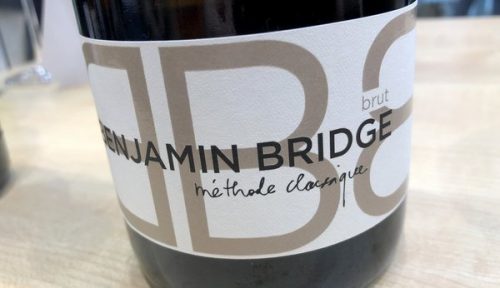
Benjamin Bridge Brut 2012 Nova Scotia, Canada

I’ve written before about the sparkling wines from Nova Scotia producer Benjamin Bridge, which I like a great deal. The climate here is cool but moderated by the Bay of Fundy, with the world’s largest tides (16 metres!), and it enables grapes to reach full flavour ripeness but with high acidity and moderate potential alcohol, perfect for making traditional method sparkling. The 2012 vintage is lovely.

Benjamin Bridge Brut 2012 Nova Scotia, Canada
63% Chardonnay, 25% Pinot Noir, 12% Pinot Meunier. Lovely focus here: taut, crisp and refined with lovely citrus fruit. Delicate with some pear richness and fine spiciness. But this wine is all about length and finish. It just expands beautifully on the finish with layers of flavour that linger after the initial impression of tightness and crispness has gone. Quite special. 92/100


from Jamie Goode’s wine blog http://www.wineanorak.com:/wineblog/canada/benjamin-bridge-brut-2012-nova-scotia-canada

For Fine Wine Investment opportunities check out Twelve by Seventy Five: http://www.twelve-by-seventy-five.com/

from
https://twelvebyseventyfive.tumblr.com/post/172068333307

Sunday, March 18, 2018

Nagano wine region, Japan (6) – Manns Wines Komoro Winery

Manns wines is owned by soy sauce producer Kikkoman, and there are two sites. This, the Komoro Winery, is where the proper Japan wines (the legal term for wines made solely from Japanese-grown grapes) are produced, including the prestige Solaris range. The other site is the Katsunuma Winery in Yamanashi, where some cheaper wines are made that aren’t just based on Japanese grapes.

We visited with Dai Shimazaki, President and CEO. Dai studied in Bordeaux, and thus has an international perspective. The Komoro winery receives about 100 tons each year, and this is a 50:50 split between contract and own grown.

Old Chardonnay vineyard, with lyre trellising

We just tasted the Solaris wines, which are the high end wines from this region. These are classically styled, well made wines.

The garden at Manns Wine Komoro

The century old Zenkoji vine

The winery has a beautiful garden, including a century old Ryugan (aka Zenkoji) vine, which is a Chinese variety a bit like Koshu, with big bunches of big, pink berries. Near the winery there’s also a plot of old Chardonnay vines that are used to make their top Chardonnay.

The Chardonnay vineyard with the rain protection system that’s applied from August onwards, to protect the grapes from the seasonal rainfall that can cause disease problems

Manns Wines Komoro Winery Solaris Methode Traditional Brut Chardonnay 2009
100% Chardonnay, disgorged August 2017, no oak. Zero dosage. Crisp and focused with bright lemony fruit and good acidity. Very tight with a subtle nutty, slightly honeyed hint on the mid palate. Dry and focused with nice fruit presence. 88/100

Manns Wines Komoro Winery Solaris Method Traditional Chardonnay Barrel Fermented 2008
Disgorged November 2017, no dosage. This has a strong cedar/woody character from the barrel. The acidity is prominent and it’s really nicely focused, but the wood character is getting in the way a bit. 86/100

Manns Wines Komoro Winery Solaris Unoaked Chardonnay 2017 (tank sample)
Crisp, stony and focused with bright citrus fruit. Lemony and stony with nice precision. Lean, flinty and delicious, showing lovely restraint. 88/100

Manns Wines Komoro Winery Solaris Sauvignon Blanc 2017 (tank sample)
First release was 2010 in the Solaris range. Stony, linear and bright with crisp citrus fruit. Very lemony with a nice mineral twist and good acidity. This is really lean and focused with a really nice balance. It has some presence, too. 89/100

Manns Wines Komoro Winery Shinano Riesling 2016
Developed in 1970, but the first release of this as a varietal wine was the 1991 in 1992. They wanted to maintain the aromatics of Riesling but make the vineyard practice easier, so this is a cross between Chardonnay and Riesling. This is delicate and pretty with nice citrus and pear fruit. There’s some tangerine and a bit of table grape, too. Pure and refreshing with nice acidity and focus: a light, expressive dry white. 90/100

Manns Wines Komoro Winery Solaris Shinshu Chardonnay 2016
A hot year and the grapes ripened rapidly, with low acidity in the beginning of September. Then it started raining and it became a very difficult vintage. This is quite nutty with some toast and butter notes as well as fresh, direct citrus and pear fruit. Refined and well made, but the oak is currently a little too high in the mix. Lovely acidity and fruit focus. 88/100

Manns Wines Komoro Winery Soralis Shinshu Komoro Chardonnay Barrel Ageing 2012 Richly aromatic toasty nose showing nuts, apples, spice and some citrus. The palate is very rich and broad with a strong mineral twist and plenty of toasty oak supporting the fruit. Quite old school in style but will delight lovers of rich oaky Chardonnay. 88/100

Manns Wines Komoro Winery Solaris Shinshu Komoro Chardonnay 2017 (barrel sample)
From the old vineyard, small production (5 barrels). One barrel is 500 litre, the rest barriques. Not made every year (for example, there was no 2016). Textured and classy with nice fine spiciness, a bit of bready character and lovely smooth but fresh pear, white peach and citrus fruit. This is superb: it has depth and focus at the same time. 92/100

Manns Wines Komoro Winery Solaris Juventa Rouge 2014
This is a second range of Solaris. This is a ‘young’ cuvée of 100% Merlot. Light, supple and a bit stony/gravelly with a savoury twist to the sweet, supple cherry and plum fruit. This shows elegance, restraint and drinkability, and tastes classically European. 89/100

Manns Wines Komoro Winery Solaris Shinshu Chikumagawa Merlot 2014
This is balanced and restrained with nice density of sweet cherry, plum and blackberry fruit, supported with good structure. There’s a bit of grip and some gravelly character. Nicely structured and poised, and very drinkable. Exemplary balance to this wine, combing sweet fruit and some non-fruit complexity. 92/100

Manns Wines Komoro Winery Solaris Shinshu Cabernet Sauvignon 2014
There’s a supple green edge to the perfumed fresh blackcurrant fruit. Nice weight and structure. Drinkable and digestible with some nice acidity and structure as well as focused fruit. The green notes are really nicely integrated. Has freshness and drinkability. Lovely purity. 91/100

Manns Wines Komoro Winery Solaris Shinshu Komoro Merlot 2015
Juicy, bright and focused with sweet berry fruits. Lively and pure with some tannic grip. Very lively with some grippy raspberry notes. This has a little flesh, but it also has bright, fresh fruit with nice grip. Berryish and delicious. 91/100

Manns Wines Komoro Winery Solaris Shinshu Higashiyama Cabernet Sauvignon 2014
Well drained soils in Ueda, where it is a bit warmer, at 500 m. There’s a brightness to this wine, with focused raspberry and blackcurrant fruit. Good structure provides some grip, countering the vivid, juicy, expressive fruit. Very stylish and with potential for future development. 92/100

Manns Wines Komoro Winery Solaris Kosyu Kousyu 2005 Yamanashi
Made from Koshu, kept for 10 years in tank under nitrogen. Some sweetness here, but also nice purity of citrus and unripe pear, as well as a bit of nuttiness. Good acidity. Some pithy notes on the finish. 84/100

Manns Wines Komoro Winery Solaris Shinano Riesling Dry 2016
This is bright and fresh, with a very pretty citrus character. Juicy and floral with lovely balance. Such a bright, appealing wine with crisp, slightly spicy citrussy fruit and good acid. Smells sweet but is dry. 88/100

Manns Wines Komoro Winery Solaris Shinano Riesling 2016
Made with sussreserve (25% juice added to the dry wine). Clean and focused with nice sweet citrus, table grape and pear fruit. Pretty and pure with nice focus and fruit quality. Pure. 89/100

Manns Wines Komoro Winery Solaris Shinano Riesling Cryoextraction 2017 (tank sample)
This is really good. Concentrated but not too intense, with lovely sweet citrus fruit together with some melon and apricot richness. This has lots of texture and weight and nice sweetness, together with good balancing acidity. Lovely purity here. 92/100


from Jamie Goode’s wine blog http://www.wineanorak.com:/wineblog/japan/nagano-wine-region-japan-6-manns-wines-komoro-winery

For Fine Wine Investment opportunities check out Twelve by Seventy Five: http://www.twelve-by-seventy-five.com/

from
https://twelvebyseventyfive.tumblr.com/post/172002584047