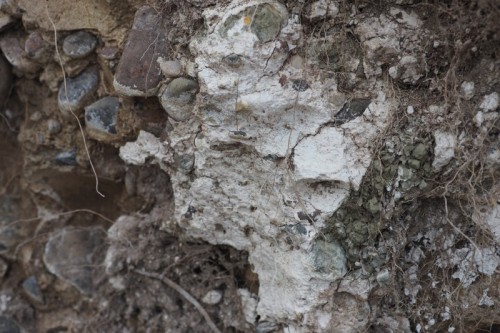
I’ve been embroiled in endless discussions about terroir in the past. And I mean endless. They quickly become unfocused, ideological and circular, with people talking at cross purposes. But it’s still such an interesting concept. And an important one: it lies at the heart of fine wine.
Here I just want to make one point. When it comes to fine wine, soils trump climate. Let me explain.
Terroir deniers (and there are many of them; they tend to hunt in packs; and Australia and California harbor the largest populations of them) suggest that the biggest factor in wine quality is climate. And, given the right climate and variety combination, then a skilled viticulturist combined with good winemaking can fashion great wines.
This spawned a lot of work looking at ‘homoclimes’. For example, if you want to make great Pinot Noir, then find the climatic areas that most closely resemble areas where the world’s greatest Pinots are made. That would probably be the Côte d’Or of Burgundy then. When I was getting into wine back in the mid-1990s this was how people were thinking. Some still do think like this.
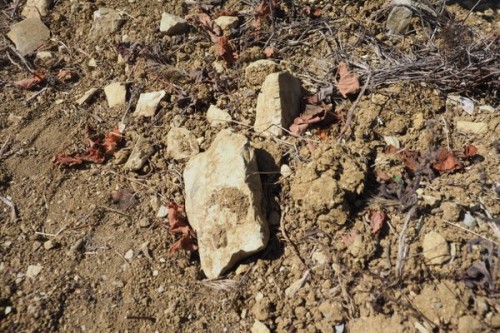
Limestone soils, Bairrada
But while climate clearly is important, it isn’t sufficient in of itself to create great wines. Although this offends my egalitarian principles, I must acknowledge that not all vineyard sites are created equal. And it’s what lies under the surface of the vineyard that acts as the ceiling to wine grape, and thus wine, quality.
To the terroir sceptic, trained in the self-confident wine schools of new world countries, the parcellation and vineyard hierarchies in Burgundy are absurd. Their explanation for this? They are all about marketing and microclimate. But there are two problems with this view.
First, microclimate: while there are going to be differences from one vineyard to the next, these climate differences don’t track the boundaries of climats (separately identified vineyard parcels: there are 1247 of them in Burgundy), and they are modest. A vine doesn’t see climate: it sees the weather of the growing season. This will differ from year to year more than the small microclimatic differences among the climats. The thing that stays the same is the soil (and the aspect, of course). There has been climate change with a warming trend over the last 50 years but there’s no clamour to change vineyard boundaries here.
And the marketing argument doesn’t stack up. Don’t you think, given the huge economic incentives, owners of village level vineyards would be taking much more care and attention, if by better viticulture they could achieve Grand Cru level wines? Of course, there are some over-performers with village level plots (think JP Fichet in Meursault as a good example), and some under-performers with Grand Crus (and some Grand Crus, such as bits of Clos du Vougeot and Echezeaux that aren’t necessarily all that grand), but in general the vineyard hierarchy is intact. This is because it is the soils that act as the ceiling for quality. Good growers run into this ceiling. I’m not negating the importance of skilled viticulture and winemaking; I’m just saying that this can only take you so far.
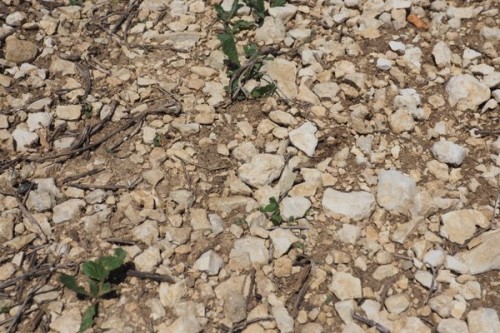
If you don’t have great soils, you can’t make great wine. You can make very good wine, and very enjoyable wine, but there will be a ceiling to quality no matter how skilful your viticulture and winemaking is. For this reason, for fine wines, soil trumps climate. The climate can get you most of the way there, but to cross the finishing line, you need some help from the soils.
You can make some very nice wines indeed from grapevines planted in OK soils with the right climate. But there’s a difference between good and great. Not everyone gets this difference, but it is there, and as a community of judgement we recognize and reward it. And to make great wines, you need to have a great soil. How to define a great soil? That’s a great topic for another day, but water relations, composition and chemistry all matter. Microbes, too, probably. Across the wine world, people are beginning to realize this.
from Jamie Goode’s wine blog http://www.wineanorak.com:/wineblog/wine-science/terroir-when-soils-trump-climate
For Fine Wine Investment opportunities check out Twelve by Seventy Five: http://www.twelve-by-seventy-five.com/
from
https://twelvebyseventyfive.tumblr.com/post/172404603672

No comments:
Post a Comment