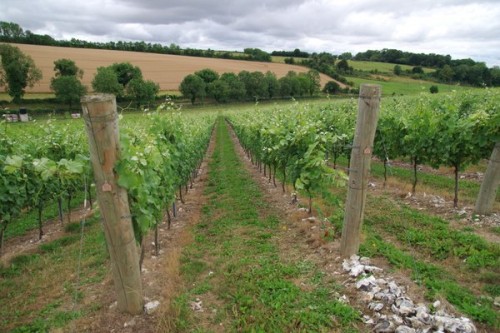
It’s an exciting time for English wine, and in particular for English sparkling wine. The latest statistics from the Wine Standards Board show that in 2017 there were 1677 hectares cropping, and the total planting area is 2245 hectares. The average production over the last five years has been 5 million bottles a year. This is a small but growing industry, with another 350 hectares or so to be planted this year. But I think there are some notes of caution that need to be sounded.
- We need to keep a sense of perspective. These are early days indeed for English sparkling wine. Losing perspective could be very dangerous. It may seem a nice thing to surround the English wine industry with friendly voices who only say nice things, but informed, firm but fair criticism is important, and should be valued. Cheerleaders are of no use, and can even be dangerous. Some journalists say lovely things about every wine they meet: their input is just noise.
- It’s important that the UK wine industry doesn’t try to use Brexit to gain leverage for domestically produced wines. I’ve heard suggestions that leaving the EU might give the industry a chance to lobby for special treatment for UK wines. While the idea of a tax break sounds attractive, it is in the long-term interests of the industry that it isn’t shielded from competition. Competition is your friend! In other countries it has been interesting to see the beneficial effects of opening trade borders to allow foreign wines in. It’s almost always a prompt to improve domestic quality.
- I’m very excited about English sparkling wine. But it’s bonkers to say – as one leading commentator did at a conference last year in Canada – that English sparkling wine is better than Champagne. That’s just silly and unhelpful on a number of levels. Not least, it’s triumphalistic and a bit arrogant, and we should always remain humble in the face of wine. There is a lot of progress still to make. It really is much better if you leave others to praise you, rather than praise yourself.
Acid isn’t necessarily good. You need good acidity to make quality sparkling wine. But you can have too much of a good thing. The main problem with English fizz at the moment is there are many wines that have too much acid that never integrates properly. The best wines have integrated acidity. We are still very much a marginal climate for grape growing, and the margins for error in viticulture are small. A year or so ago I was chatting to a leading winemaker from Champagne. I asked him what he thought about English sparkling wine. His immediate response: they are too acidic.
I hope these points don’t seem negative. They aren’t meant to be. The industry needs to keep being collaborative and inclusive. This week I’ve been judging wine and I’ve come across quite a few flights of English sparkling wine. Some of the wines have been very good, but some have been quite poor. It would be great if those making good wine could give advice and assistance to those who are clearly struggling. Your neighbour is not your competitor, but if your neighbour is making bad wine it could affect the reputation of the industry. If English sparkling is a strong collective brand, everyone benefits. Brand equity bleeds through bad wines.
from Jamie Goode’s wine blog http://www.wineanorak.com:/wineblog/england/english-wine-is-doing-well-but-three-notes-of-caution
For Fine Wine Investment opportunities check out Twelve by Seventy Five: http://www.twelve-by-seventy-five.com/
from
https://twelvebyseventyfive.tumblr.com/post/173035872682

No comments:
Post a Comment